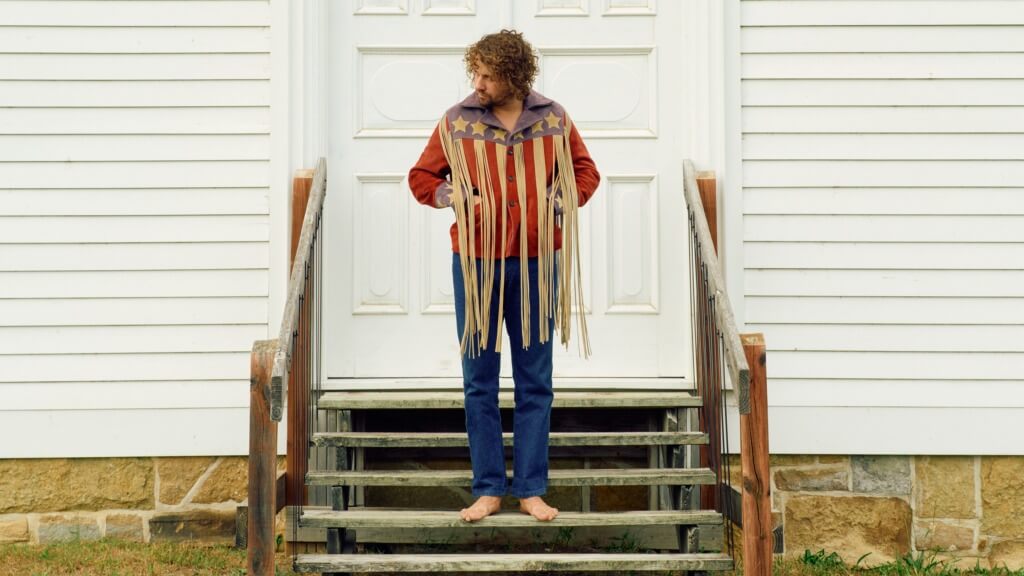
Kevin Morby has lived the Platonic ideal of an indie rockstar life, at least in the sense that he has spent much of it running from death. As Morby put it in a 2020 essay, the life of a musician on the road is defined by a paradox: “As long as I remain neither here nor there, but instead somewhere in between, I will remain untouchable, and thus I will remain invincible.” For Morby, the industry is a “Tunnel,” a metaphor for a career where survival is the only true victory.
The Texas-born, Minnesota-raised singer-songwriter spent his youth grappling with an all-consuming fear of mortality. It wasn’t until he found music and community that his desire to live began to outweigh his dread. By sixteen, he was opening for Kimya Dawson; soon after, he dropped out of high school and moved to New York, where he became a fixture in the indie scene, playing with Woods and forming The Babies. Yet, the road—The Tunnel—always called louder.
Now thirty-eight, a father-to-be, and one half of a prominent musical partnership with Waxahatchee’s Katie Crutchfield, Morby has found a new way to exist within that space. He is still on the road, but it is no longer just an arena for a battle against time. It has become a home. As he sings on his new album, Little Wide Open, “If time is a violent driver, then we ride passenger.”
In a recent conversation, Morby reflected on the making of his eighth solo record. After the forced stillness of the COVID-19 pandemic, he returned to touring with a new, acute awareness of the lifestyle’s intensity. “I just became acutely aware of how insane it is to travel all the time,” he recalls. This realization permeates Little Wide Open, an album that treats the highway not just as a means of travel, but as a subject of deep, existential inquiry. He cites the Mad Max films as an unlikely influence, finding resonance in their fatalistic view of the road as a restless resting place.
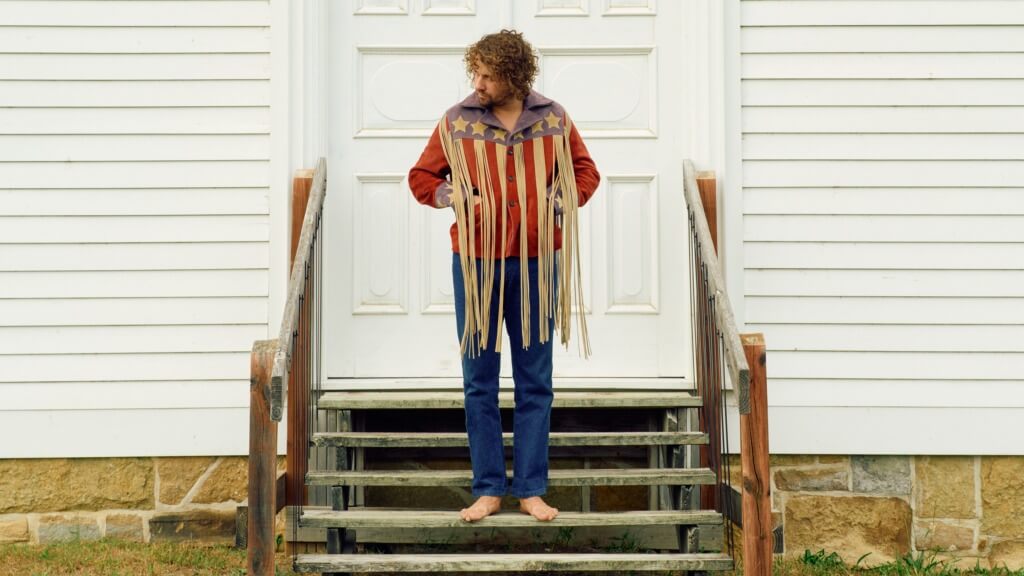
The album serves as the conclusion to an informal trilogy, moving from the grief of Sundowner and the celebration of This Is A Photograph to a hard-won peace. Morby describes the process of writing as a form of collection, hoarding stray phrases and overheard lines in a small red notebook. He finds beauty in the mundane: a 24-hour chapel in Kansas, a janky Wizard of Oz museum, or the strange, declarative signage of a country talking to itself. This is the “roadside poetry” that anchors his work.
When he brought these songs to producer Aaron Dessner, Morby initially wanted to lean into his maximalist tendencies. However, Dessner encouraged him to let the songs breathe. “He was like, ‘Kevin, you’ve done that, and that stuff is great. But these songs really want to breathe in a certain way. Don’t be afraid of the songs,’” Morby explains. The result is his most personal and exposing record to date, one that drops the character-driven masks of his earlier work in favor of a more direct, vulnerable perspective.
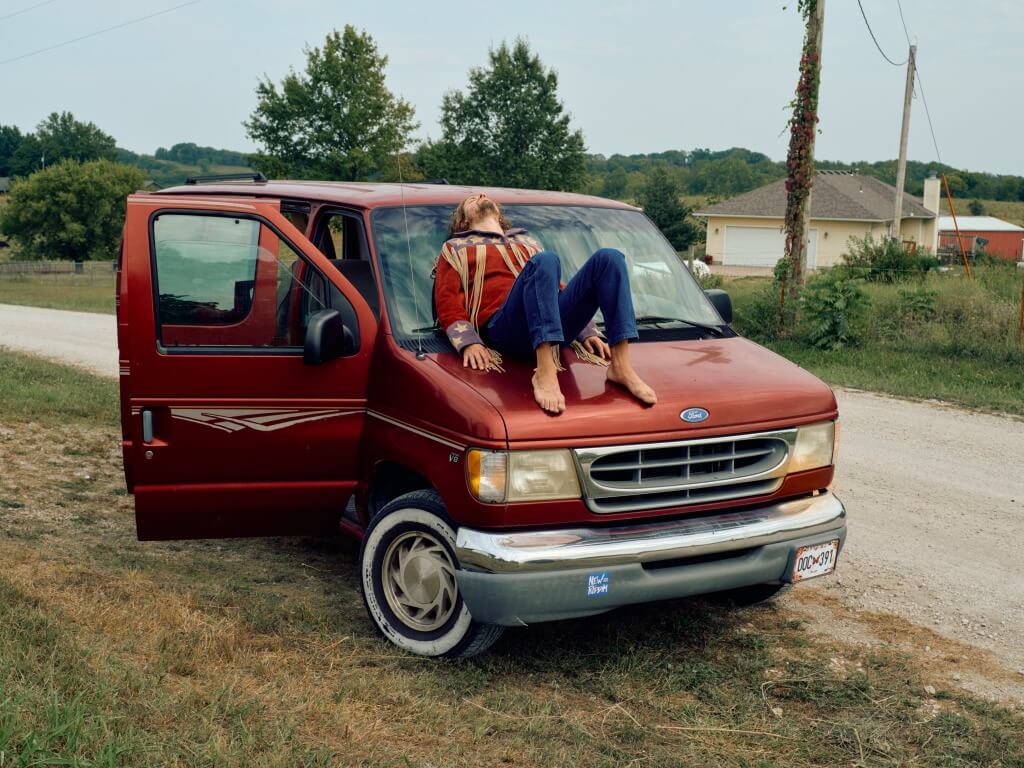
The album is also a testament to collaboration, featuring contributions from artists like Lucinda Williams, Justin Vernon, and Amelia Meath. For Morby, these sessions are a return to the sandbox, a way to keep the work from becoming lonely. Ultimately, Little Wide Open is a document of a man who has stopped trying to outrun time. As he notes, “Time, please be kind to me / We’re not enemies, though it’d seem.” After years in The Tunnel, Kevin Morby is finally in no hurry at all.
Little Wide Open is out now on Dead Oceans.