
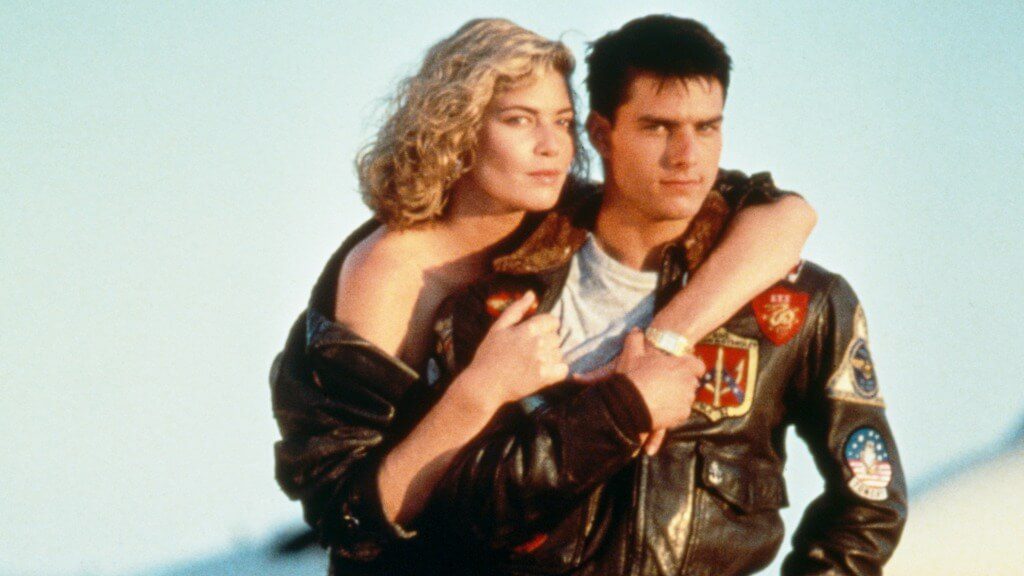
With thousands of films produced since the dawn of cinema, only a select few manage to etch themselves into the cultural consciousness. While 1888’s Roundhay Garden Scene holds the title for the oldest surviving film and Gone with the Wind remains a titan of box office history, the 1986 classic Top Gun occupies a unique space in pop culture—not least for its legendary, sweat-drenched beach volleyball sequence.
The Aesthetic of the Eighties
Top Gun is a quintessential product of the 1980s, defined by its over-the-top machismo, Cold War-era patriotism, and highly stylized visuals. The film’s legacy is inextricably linked to its soundtrack, a ten-song collection that perfectly encapsulates the decade’s sonic landscape. Featuring artists like Cheap Trick, Gloria Estefan’s Miami Sound Machine, Loverboy, Kenny Loggins, and Berlin, the album is a masterclass in vibrant synths and aggressive, in-your-face guitar work.
The Architects of the Sound
Released on May 15, 1986, the soundtrack dominated the Billboard 200 chart for five non-consecutive weeks. The project’s success was largely driven by two tracks written by Italian composer Giorgio Moroder and lyricist Tom Whitlock. Their collaboration, born from a chance meeting while Whitlock was working on Moroder’s Ferrari, produced the two most enduring hits of the era: “Danger Zone” and “Take My Breath Away.”
“Danger Zone,” performed by Kenny Loggins, became the film’s high-energy anthem. Despite initial plans to have Toto or Jefferson Starship record the track, Loggins stepped in to deliver what would become a defining piece of rock and roll history. Meanwhile, “Take My Breath Away,” performed by Berlin, provided the necessary romantic counterpoint. Originally intended for Martha Davis of The Motels, the song eventually found its home with Berlin, peaking at #1 on the Hot 100 in September 1986.
A Lasting Legacy
While “Danger Zone” and “Take My Breath Away” remain the crown jewels of the album, the soundtrack’s depth is bolstered by tracks like Loverboy’s “Heaven in Your Eyes” and the Grammy-winning “Top Gun Anthem” by Harold Faltermeyer and Steve Stevens. Even songs not originally written for the film, such as Otis Redding’s “(Sittin’ On) The Dock of the Bay,” became woven into the fabric of the movie’s narrative.
Forty years later, the Top Gun soundtrack stands on its own as a testament to the power of film music. It no longer requires the context of fighter jets or volleyball games to be appreciated; it remains a vibrant, essential time capsule of 1980s pop culture that continues to resonate with new generations.