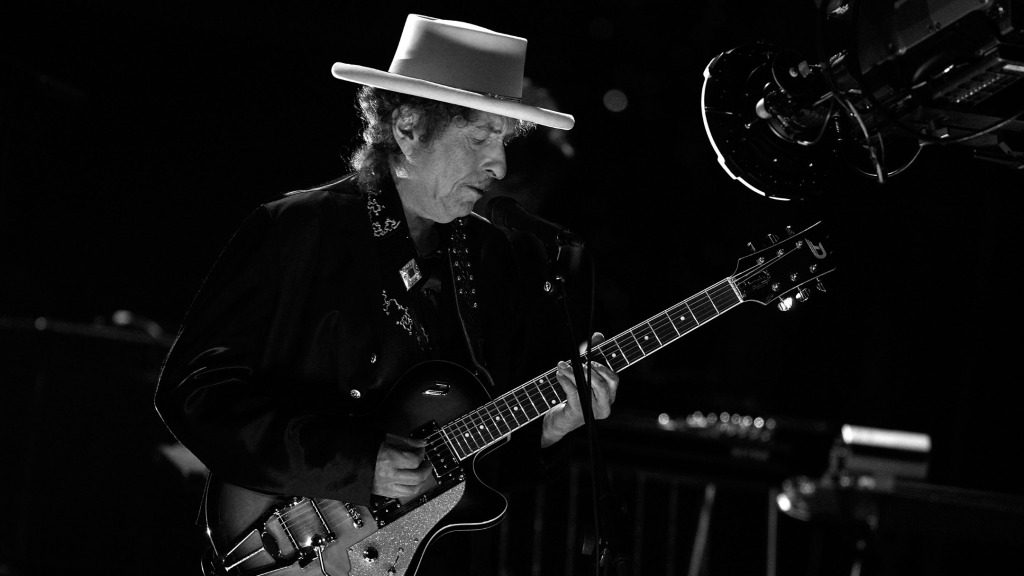
In 2004, Bob Dylan offered a candid admission to Ed Bradley on 60 Minutes, noting that the songwriting alchemy of his youth—the kind that produced “It’s Alright, Ma (I’m Only Bleeding)”—was no longer accessible to him. “I can do other things now, but I can’t do that,” he explained. This reflection serves as the perfect lens through which to view Modern Times, the 2006 album that stands as a testament to a lifetime of artistic preparation.
A Late-Era Renaissance
While some critics view Modern Times as the conclusion of a trilogy starting with 1997’s Time Out of Mind, Dylan himself prefers to link it directly to 2001’s “Love and Theft.” These records represent a period where Dylan, having fought his way out of a creative corner, reclaimed control of his sound. By producing under the pseudonym Jack Frost and utilizing his seasoned Never Ending Tour band, he ensured that the music remained authentic to his vision.
Rooted in Antiquity
The brilliance of Modern Times lies in its embrace of vanishing folk, blues, and country traditions. Dylan constructs songs that feel like ancient vessels, capable of carrying the wisdom and weariness of a man navigating a world gone wrong. Tracks like “Thunder on the Mountain” showcase a feisty, apocalyptic energy, while “Spirit on the Water” demonstrates his ability to blend the spiritual with the romantic, even referencing the Roman poet Ovid.
The Art of the Collage
The album faced scrutiny regarding its lyrical borrowings, with some critics labeling it plagiarism. However, viewed through the lens of folk tradition, these songs are better understood as collages. Dylan, much like the blues legends he admired, treated his songwriting as an evolution of a long chain of tradition. By incorporating lines from the Bible, Ovid, and Confederate poet Henry Timrod, he sought to preserve the past rather than plunder it.
A Lasting Legacy
Whether it is the haunting, nocturnal journey of “Ain’t Talkin’” or the empathetic portrait of the working class in “Workingman’s Blues #2,” Modern Times remains a profound achievement. It is a record that proves that even at an age when many artists consider retirement, Dylan found the freedom to reinvent himself. If this album is indeed his final masterpiece, it stands as a fitting tribute to a career defined by a deep reverence for language and the human experience.