A Return to Character-Driven Stakes
Daredevil: Born Again has consistently excelled in the action department, delivering fight scenes that move with propulsion and clarity. However, the series truly shines when it eases off the throttle to let its ensemble grapple with the visceral impact of violence. This week’s episode, “The Grand Design,” proves that the Marvel Television series is just as capable of delivering profound character work as it is high-octane choreography.
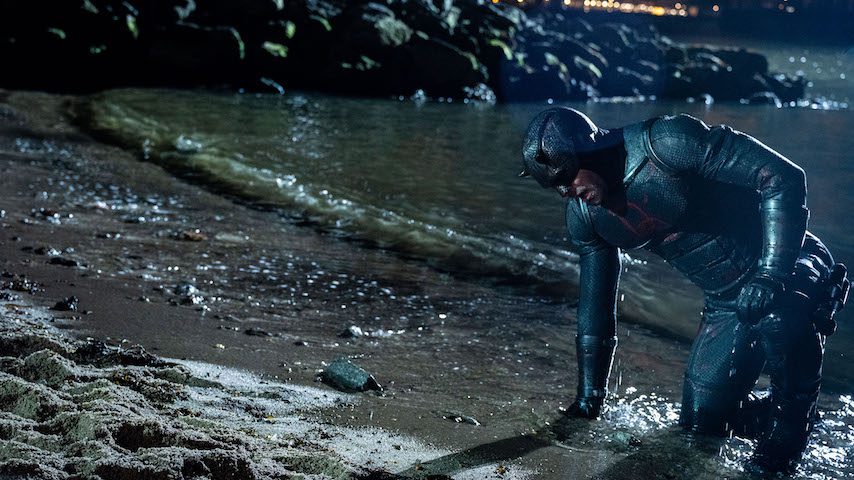
The episode masterfully threads a narrative through the immediate aftermath of the clash between Kingpin, played by Vincent D’Onofrio, and Bullseye, portrayed by Wilson Bethel. By reconnecting with the episodic moral dilemmas that defined the earlier Netflix-era incarnation of the character, Born Again elevates its stakes, proving that the title refers to more than just a simple reboot.
Parallel Tracks of Redemption
“The Grand Design” earns its title by splitting the narrative into parallel tracks that converge on its most dramatic moments. It serves as a reflective nod to character history, setting the stage for the season’s uncertain future. The return of Foggy Nelson, played by Elden Henson, provides a necessary moral anchor. His arc, told through poignant flashbacks, intersects with the present-day struggles of Matt Murdock, played by Charlie Cox, as he determines the fate of the man who murdered him.
Through these shifts in time, the audience witnesses Murdock relearning the meaning of mercy. The episode highlights the internal conflict of a hero who moonlights with a pain fetish, yet finds himself responsible for his greatest enemy. It is a testament to the series’ growth that it can balance these heavy themes with the ongoing, demented power struggle within the Fisk organization.
The Weight of Memory and Legacy
The episode also delves deep into the relationship between Wilson Fisk and Vanessa Fisk, played by Ayelet Zurer. As Vanessa teeters between life and death, the series subverts expectations by focusing on the frightened boy underneath the Kingpin’s imposing exterior. The subplot involving lieutenants Daniel Blake and Buck Cashman adds a dark, Sopranos-tinted layer to the narrative, emphasizing the brutal reality of their world.
Ultimately, “The Grand Design” is an exploration of memory—how people cling to it and the consequences of letting it go. As the season accelerates toward its conclusion, the episode leaves us with an appropriately comic-booky “Never The End” moment, suggesting that the patterns of power, violence, and redemption are destined to repeat until the bitter end.