
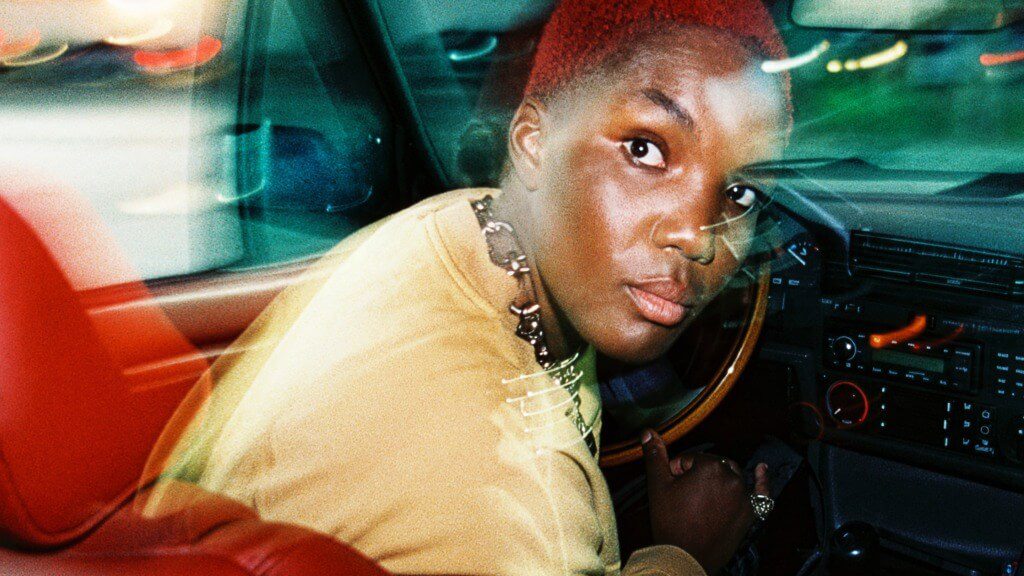
A Shift in Sonic Direction
Two years removed from the release of My Soft Machine, Arlo Parks has returned with her third studio album, Ambiguous Desire. While her previous work was defined by a certain introspective, bedroom-pop intimacy, this latest project marks a deliberate pivot toward the textures of the club. Following a period of immersion in the nightlife scenes of New York and London, Parks has synthesized the thrum of dance floors and the hazy, post-party atmosphere into a cohesive, if occasionally over-produced, collection of songs.
Recorded in a New York City loft alongside producer Baird, the album attempts to bridge the gap between Parks’ signature poetic lyricism and the kinetic energy of electronic dance music. The result is a record that feels like a sonic diary of the early morning hours, capturing the transition from the high-octane excitement of the dance floor to the quiet, reflective reality of the walk home.
The Tension Between Production and Emotion
The album’s production is undeniably slick, creating a distinct, immersive tableau. On tracks like “Get Go,” Parks utilizes a forward-pulsing beat to drive her narrative, though her delicate soprano occasionally struggles to cut through the dense, atmospheric layers. This creates a “snake-charmer” effect, where the listener is pulled along by the tide of the music, even when the production threatens to overshadow the vocal performance.
Collaboration remains a key element of Parks’ evolution. The inclusion of Sampha on “Senses” provides a highlight, as the two artists engage in a musical therapy session. While Parks’ hushed delivery is effective, Sampha’s hypnotic, instructive verse—reminding the listener that “the clarity lies in the direction of pain”—adds a necessary weight to the track, grounding the ethereal production in something more tangible.
Lyricism as an Anchor
Despite the shift toward club-oriented soundscapes, Parks remains a formidable writer. Her lyrics on Ambiguous Desire are more incisive and cutting than in her previous work. She moves away from the balletic, sometimes overwrought similes of her early career, opting instead for sharp, observational details. The peripheral characters she introduces—a stranger sobering up on a staircase, a friend DJing in the corner—give the album a cinematic quality that anchors the listener in a specific time and place.
The album’s emotional arc is a rollercoaster, mirroring the erratic nature of a night out. Tracks like “South Seconds” and “Nightswimming” capture the shift from the anxiety of new love to the blur of a hormonal, late-night hookup. Even when the beats are at their most aggressive, Parks’ lyrics remain deeply personal, often referencing the internal struggles that persist even amidst the noise of the party.
A Tidy Conclusion
Ultimately, Ambiguous Desire is at its best when it allows the music to breathe. The standout track “Beams” serves as a perfect example of this, where Parks settles into a glossy, lucid sound that feels like a natural evolution of her signature style. While the album may occasionally suffer from an excess of production, it remains an accomplished set piece that captures the specific, melancholic beauty of the “afters.” As the record concludes, it is clear that Parks has successfully navigated a new sonic landscape, even if she is still finding the perfect balance between the club and the confessional.