
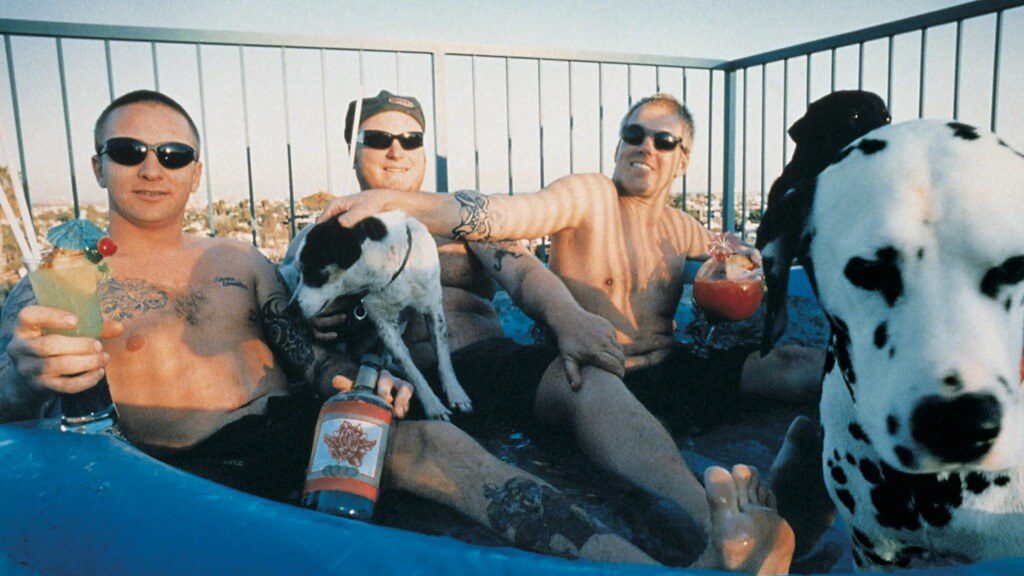
There is no singular, defined path to musical stardom. For some, like Sheryl Crow, the journey began with commercial jingles and backing vocals for Michael Jackson. For others, like Diana Ross, it started in the secretarial pool of Motown Records. Even the Bee Gees spent years experimenting with various sounds before their fifteenth album finally catapulted them to the top of the charts. These stories of humble beginnings carry a certain charm, but the story of Sublime is different. Their sunny, genre-defying music conquered the world only after a profound tragedy.
The Long Beach Sound and Early Breakthroughs
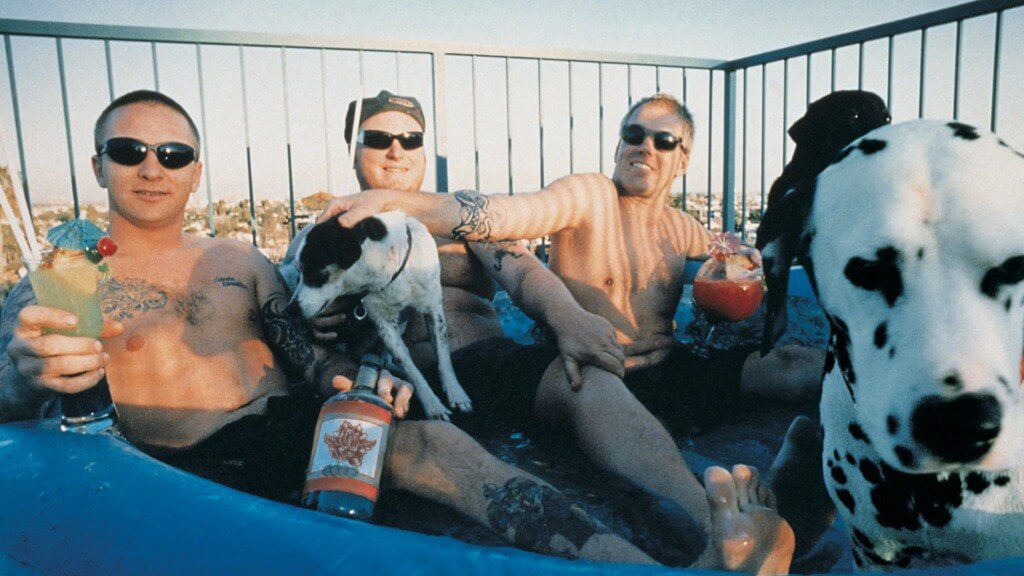
The foundation of Sublime was built on the childhood friendship of Eric Wilson and Bud Gaugh in Long Beach. After cutting their teeth in the local punk scene, they brought Bradley Nowell into the fold. Nowell introduced a deep-seated love for ska and reggae, a fusion that would eventually define the band’s idiosyncratic sound. For years, they were a local fixture, building a reputation within the California ska scene without much national attention.
Their profile began to rise slowly. In 1992, they independently released their debut album, 40oz. to Freedom. While it didn’t set the world on fire immediately, by 1995, the track “Date Rape” became an unexpected hit. This surge in popularity was largely driven by heavy rotation on Los Angeles’ influential KROQ, signaling that Sublime was finally breaking through to a wider audience.
A Prophetic Struggle with Addiction
Sublime’s second effort, 1994’s Robbin’ the Hood, was a lo-fi affair that featured early collaborations with Gwen Stefani of No Doubt. However, the album is perhaps most remembered for the haunting track “Pool Shark.” In retrospect, the song feels like a chilling prediction of Nowell’s own fate. Singing candidly about his heroin addiction, Nowell lamented:
“But now I’ve got the needle / And I can shake, but I can’t breathe / I take it away, but I want more and more / One day, I’m gonna lose the war.”
By May 1996, Nowell’s life was a whirlwind of personal milestones and professional momentum. He had recently married Troy Dendekker and was celebrating the first birthday of their son, Jakob. Sublime had just finished recording their major-label debut, and the stage was set for a massive breakthrough. Despite several stints in rehab, many close to him believed he was finally clean, perhaps motivated by the responsibilities of fatherhood. Unfortunately, that was not the case.
The Tragic End in San Francisco
During a run of West Coast shows in late May 1996, the band’s internal struggles came to a head. Following a performance in Chico, California, the band stayed at a local residence where, as Wilson later recalled, they indulged in heavy drug use. The following night, they performed at the Phoenix Theatre in Petaluma. Reports of the show were mixed; some fans found it legendary, while others noted that Nowell sounded noticeably unwell.
On the morning of May 25, 1996, at the Ocean View Motel in San Francisco, Bud Gaugh discovered Nowell unconscious. The singer had succumbed to a heroin overdose at the age of twenty-eight. The band’s Dalmatian and mascot, Lou Dog, was found by his side. The news sent shockwaves through the music community, turning a scheduled sold-out show at Maritime Hall into an impromptu wake for a fallen talent.
A Posthumous Cultural Phenomenon
In the wake of Nowell’s death, the future of the band’s upcoming self-titled album was uncertain. MCA Records was hesitant to release a project that couldn’t be supported by a tour. However, the label moved forward, and Sublime was released on July 30, 1996. What followed was a cultural explosion. Unlike established artists who see a sales bump after death, Sublime was a band on the verge of greatness that finally arrived posthumously.
The album peaked at #13 on the Billboard 200, fueled by massive hits like “What I Got,” “Santeria,” and “Wrong Way.” By 1997, Sublime was arguably the biggest rock act in the country. The music resonated deeply within the 90s alternative scene, blending laid-back California vibes with raw, honest lyricism. As MCA executive Abbey Konowitch noted at the time, it was a tragedy that Nowell wasn’t there to witness the public’s profound appreciation for his work.
The Legacy Lives On Through Jakob Nowell
The impact of Sublime has only grown over the decades. “Santeria” and “What I Got” have amassed billions of streams, cementing Nowell’s status as a generational voice. While Wilson and Gaugh eventually continued under the name Sublime with Rome—featuring singer Rome Ramirez—the original spirit of the band remained tied to the Nowell family. In recent years, that legacy has come full circle.
Bradley’s son, Jakob Nowell, has stepped into his father’s role, performing with Wilson and Gaugh as the revitalized Sublime. This new iteration has already found success, with the track “Ensenada” from their latest project, Until the Sun Explodes, reaching the top of the Alternative Airplay charts. While the band’s journey has been winding and often tragic, the sight of Brad’s legacy living on through his son provides a heartwarming conclusion to one of rock music’s most bittersweet stories.