Welcome to one of the worst years in Hot 100 history. Sure, most #1 hits these days are especially crummy, but there’s something impossible about 2005’s lukewarm output. Considering how rich 2004 was, thanks to an onslaught of very good Usher and OutKast singles, it’s tough to sit with a lot of this music. Some of these songs have aged terribly. Some of these songs’ makers have aged even worse. 2005 commercially seemed like a year’s worth of bad turns—a shame, considering that, beyond the charts, this is the year we got Illinois, Extraordinary Machine, Arular, The Woods, Plans, and self-titleds from Broken Social Scene, LCD Soundsystem, and Robyn. Madonna released what’s still her best album from this century, and groups like the National, New Pornographers, Low, and System of a Down took exciting swings. Oh, and Mary J. Blige had a career-best release (The Breakthrough) and Common put out one of the greatest rap records ever (Be). The good stuff was there. It just never dominated the radio.
I’m grateful that folks have taken this ride with me again this year. The series is almost done for 2025. On December 31 we’ll close things out with a survey of 2015’s chart-toppers (spoiler alert: it’s a much better list of songs than what you’re about to scroll through). For now, here are the eight songs that ruled the radio, iTunes, and hearts of some (but not all) 20 years ago. By my approximation, three of these entries are great. The rest I could go the rest of my life without hearing again. Do with that as you will. It’s the mid-aughts! Welcome to the age of Juicy Couture tracksuits, voting for American Idol contestants on your flip-phone, Kanye West saying that “George Bush doesn’t care about Black people” during a Hurricane Katrina tribute, and the dawn of Brangelina. Here is every #1 hit song from 2005, ranked worst to best.
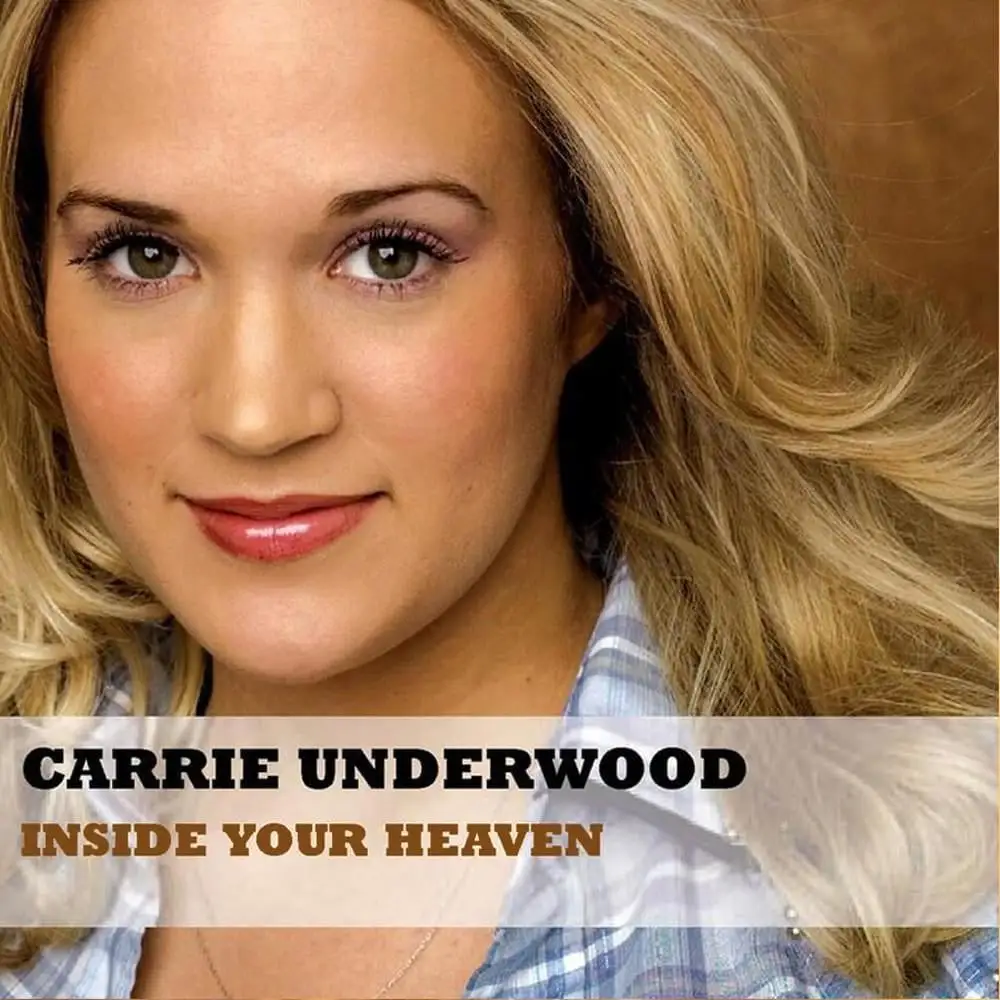
8. Carrie Underwood: “Inside Your Heaven”
Ah, yes, my favorite Hot 100 sub-genre: the obligatory #1 single for an American Idol winner. A funny thing about “Inside Your Heaven” is that both Carrie Underwood and the guy who came in second place to her, Bo Bice, released a version of the song a week apart in June 2005. But the funniest part? Bice’s version stalled at #2. Was it fate, or industry interference? Probably the latter. The critics actually preferred Bice’s version and so do I (I come from a Bo Bice Household). It’s an empty ballad that’s formulaic and maudlin. “Inside Your Heaven” would show up on Underwood’s debut album Some Hearts later that year and it’s probably the worst song on it. The country-pop blends on “Jesus, Take the Wheel” and “Before He Cheats” gave Underwood the crossover appeal that her American Idol performances teased, while “Inside Your Heaven” suggested that her talent was more sentiment than substance.
7. Chris Brown ft. Juelz Santana: “Run It!”
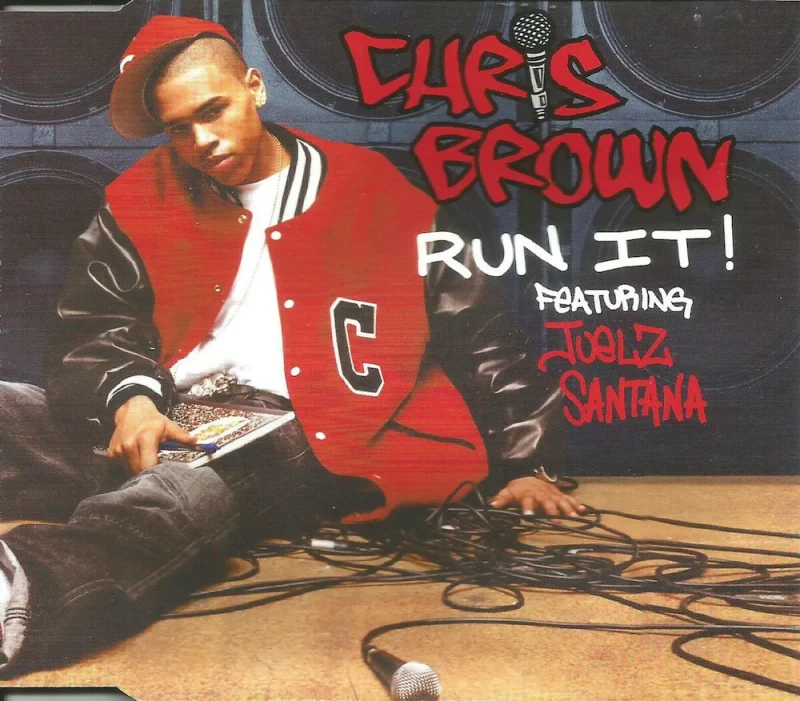
Before he was a violent S.O.B. getting annual Grammy noms for middling R&B records, Chris Brown debuted at 16 years old with “Run It!” He had great physicality and women fawned over his stage presence. He carried with him a small-town innocence that felt marketable, and Jive Records certainly pounced on the potential. Producer Scott Storch had previously worked on Beyoncé, Christina Aguilera, and Britney Spears singles, and he even ran the boards on two other #1 hits from this ranking. Brown showed up to the mainstream at its most viable entry point: Usher’s Confessions dominating the mass market in 2004 certainly lent contemporary R&B a touch of commercial appeal. “Run It!” was Brown’s response to “Yeah!” spending 12 weeks atop the Hot 100. Storch even co-wrote “Yeah!” and had no issue ripping it off on “Run It!”—handclap beats, synth stabs, and all. Not only is Juelz Santana a sorry stand-in for Lil Jon, but his verses are awful (“Whip whop, tick-tock to the clock for me / Don’t stop doin’ that / And shorty know I mean what I say so she won’t stop doin’ that” is specifically moronic). How does one overlook the Usher 2.0 of it all? You can’t, really. Most mid-aughts R&B artists’ careers began in the shadow of Confessions, because it was an impossible reference to avoid. The greatest sin of “Run It!” is that Storch didn’t even bother trying to separate Brown from that style at all. But kudos to them for ripping off a far better song from a much more talented star and still getting a 3x platinum record out of it, I guess.
6. Gwen Stefani: “Hollaback Girl”
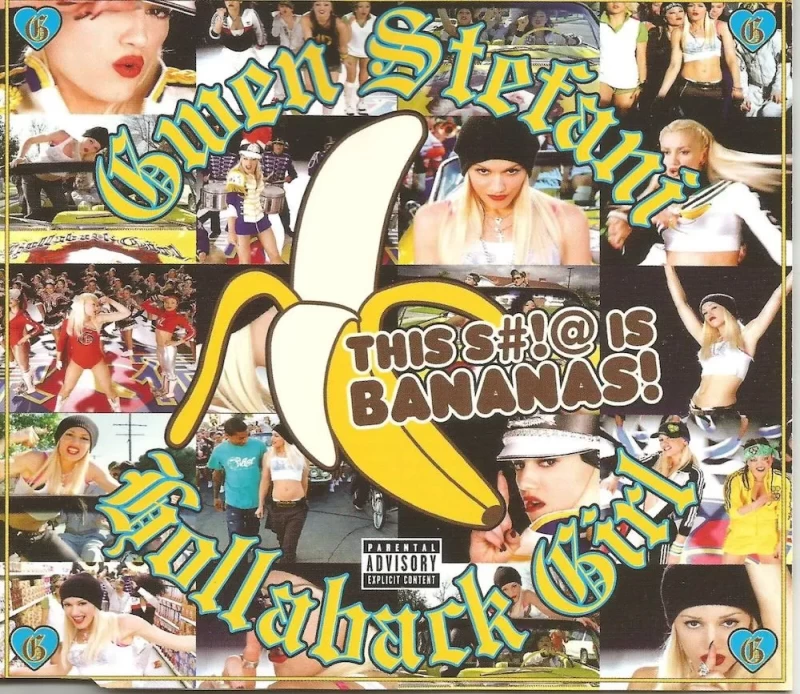
I have three opinions on Gwen Stefani’s solo career: Love. Angel. Music. Baby. is a better record than you remember; “The Sweet Escape” is one of the best pop singles of the 2000s; and “Hollaback Girl” is one of the worst. It had been a minute since I really sat with “Hollaback Girl” but I don’t remember the Neptunes’ production ever being this… bland? Don’t get me wrong, it’s got Pharrell Williams and Chad Hugo’s signature thump to it, but the one-note, minimalist drum machine sounds woefully understated. And the brass section is so muted that the phrases might evaporate into thin air if you don’t pay close enough attention to them. I appreciate Stefani’s sort-of callback to Toni Basil’s “Mickey” here, but “Hollaback Girl” is a product of its time and suffers because of it. But most of all, I just think a lot of these lyrics are embarrassing, with the “This shit is bananas / B-A-N-A-N-A-S!” bridge being the worst offender of them all. Going back in time has its consequences. Listening to “Hollaback Girl” 20 years later begs the all-important question: Was this song ever good?
5. 50 Cent ft. Olivia: “Candy Shop”
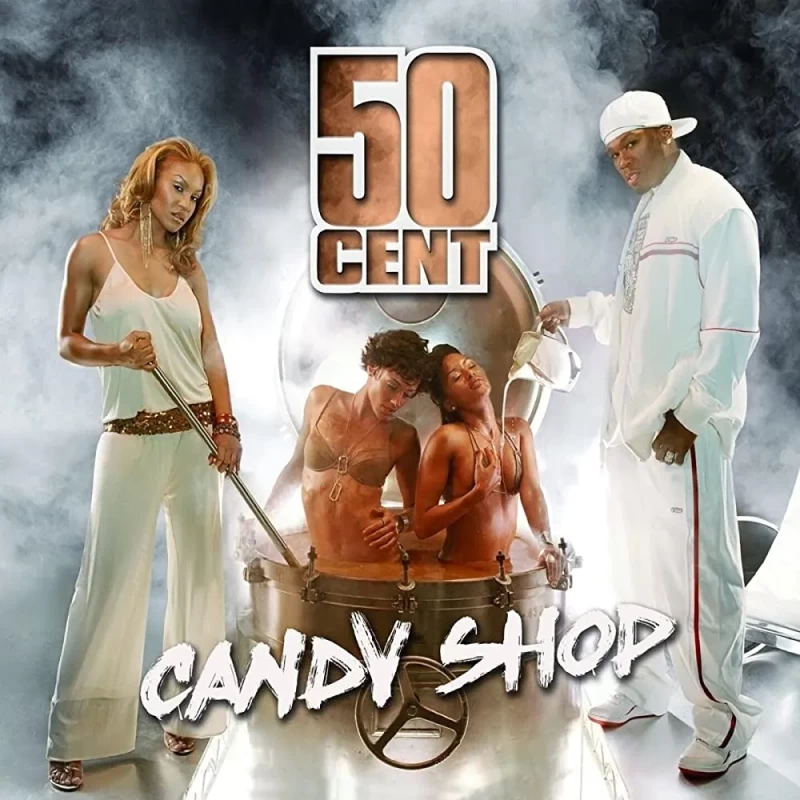
Another Scott Storch production, “Candy Shop” confirmed 50 Cent’s mainstream domination after his first album, Get Rich or Die Tryin’, sold 870,000 copies in its first week on the shelves. The Massacre was a worse album, but most follow-ups to explosive debuts are. The record didn’t have “P.I.M.P.” or “21 Questions,” but it trafficked in great pop hooks—heard well in its second single, “Candy Shop.” The problem, though: not much differentiates it from a far better 50 Cent song, “Magic Stick.” The sound was pleasant enough, and the swagger is definitely locked in, but the sameness of the “Candy Shop” beat and timbre did little for 50’s progression. 20 years later, “Candy Shop” is more novelty than rap sensation—when 50 Cent was a businessman first and a pen-wielder second (“I melt in your mouth girl, not your hand” is a fantastic bar, though). G-Unit’s Olivia is just there, half-assing the song’s hook. I can’t hear “Candy Shop” without thinking of Storch’s production on Terror Squad’s “Lean Back,” a far better utilization of minimalist drum programming and thready Eastern strings. The story goes that Fat Joe helped Storch build the “Candy Shop” beat. Maybe he’d have done a nastier job rapping over it, but we’ll never know. 50 Cent nuked him and Jadakiss to smithereens on “Piggy Bank” for whatever reason. “Candy Shop” hasn’t aged well. “Disco Inferno,” “Just a Lil Bit,” and “Outta Control” were much better singles. Oh well. We’ll always have “In da Club.”
4. Mario: “Let Me Love You”
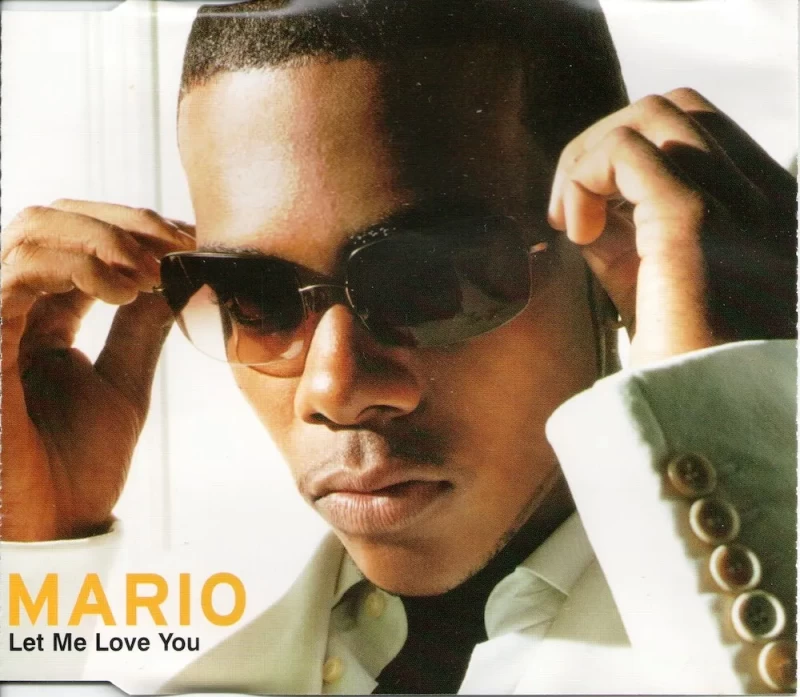
The final Scott Storch-produced track on this list is his best. He co-wrote “Let Me Love You” with Kameron Houff and a then-unknown Arkansas songwriter named Ne-Yo. It’s a great mid-2000s R&B song, and Storch captures Mario’s longing without making it flashy. “Let Me Love You” is smooth and seductive—a feel-good anthem for the club, the bedroom, and the pop charts (it spent nine weeks at #1). I prefer Warryn “Baby Dubb” Campbell’s work with Mario (his flip of Biz Markie’s “Just a Friend” on “Just a Friend 2002” is still the most inspired composition the Baltimore charmer ever sang on), but “Let Me Love You” sounds perfectly like the era it comes from—a halfway mark between tradition and invention, when R&B’s 21st-century identity was still in question. The arrangement is typical, safe (hand-clap percussion; soothing, climactic synths) and the concept is easy, bankable (the girl you’re crushing on should be with you instead of her asshole boyfriend). But Mario sells the tune with a drama that Storch’s production lacks. “Let Me Love You” was a smash-hit that confirmed Mario’s place in a post-Confessions ecosystem. For two months in 2005, he was the biggest star in America.
3. Mariah Carey: “Don’t Forget About Us”
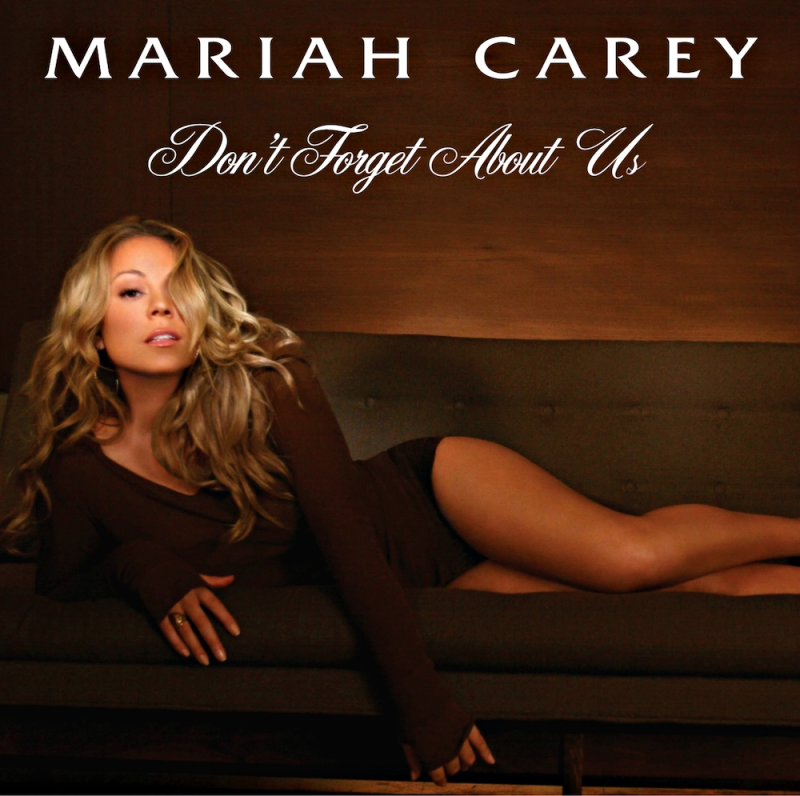
Since I began this list series in 2023, I’ve written about Mariah Carey more than any other artist. And she’ll show up again next year when I cover 1996 and 2006. Carey’s 10th album, The Emancipation of Mimi, sparked a career reset for her after Rainbow, Glitter, and Charmbracelet failed to reach the market appearl of Daydream and Butterfly. Mimi sold well and Carey returned to the studio with hitmaker Jermaine Dupri, hoping to capitalize on the buzz and write music for a follow-up. An unfinished demo of “Don’t Forget About Us” impressed Island Records’ L.A. Reid so much that he persuaded Carey into reissuing the album with it as the focus single. “Don’t Forget About Us” is a fantastic downtempo rap-soul tune hindered by one glaring issue: it sounds a lot like Mimi’s best song, “We Belong Together.” The two tracks share a comparable tempo, complement Carey’s lower range similarly, and put forth a symmetry of lyrical longing. But Carey’s performance is still impossibly good: her singing spans three octaves and six semitones, including her signature whistle note. Even in sameness, “Don’t Forget About Us” is still worth cherishing.
2. Mariah Carey: “We Belong Together”
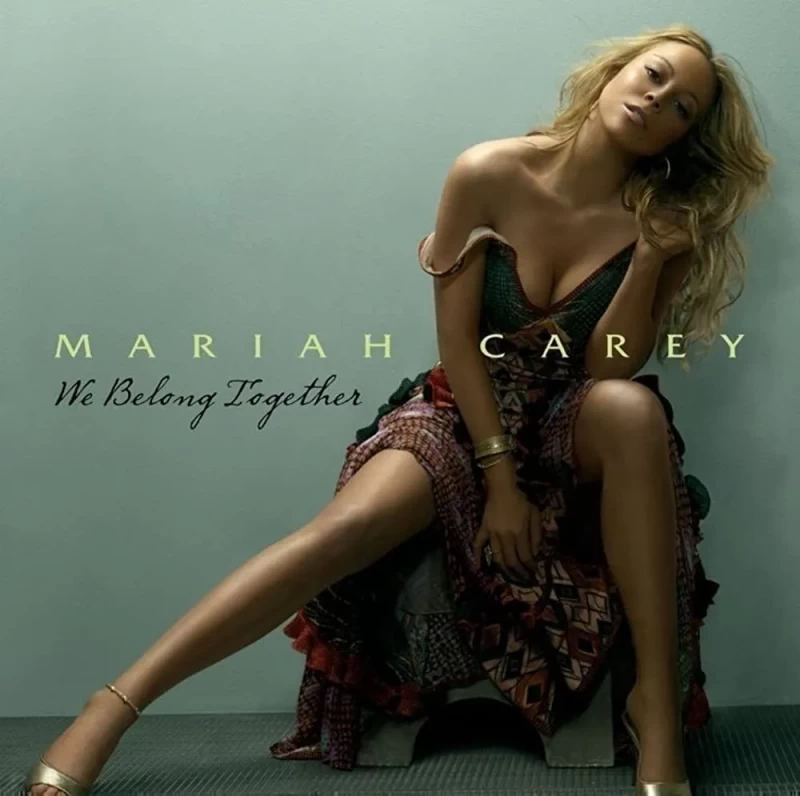
The best part of The Emancipation of Mimi is the song that made the album Mariah Carey’s comeback. If it weren’t for Carrie Underwood, she would have spent the entire summer at #1 because of “We Belong Together.” Carey wrote the pleading, brokenhearted track with Jermaine Dupri and co-conspirators Johntá Austin and Manuel Seal, and the trio excellently interpolate Bobby Womack’s “If You Think You’re Lonely” and the Deele’s “Two Occasions” over a minimal piano line and low-key backbeat. Carey’s breathy verses and Dupri’s understated counter-rhythms give an otherwise slow-jam ballad its smash-hit complexion. Mimi’s lead single, “It’s Like That,” previously bottomed out at #16 on the Hot 100 but not without building a pathway for one of pop’s greatest voices to return as terrific as ever first. In the context of Carey’s “return to form,” “We Belong Together” was a masterpiece. Commercially, it dominated radio rotations and iTunes sales. A song like this could make any other star’s career. For Carey, it confirmed hers was far from finished.
1. Kanye West ft. Jamie Foxx: “Gold Digger”
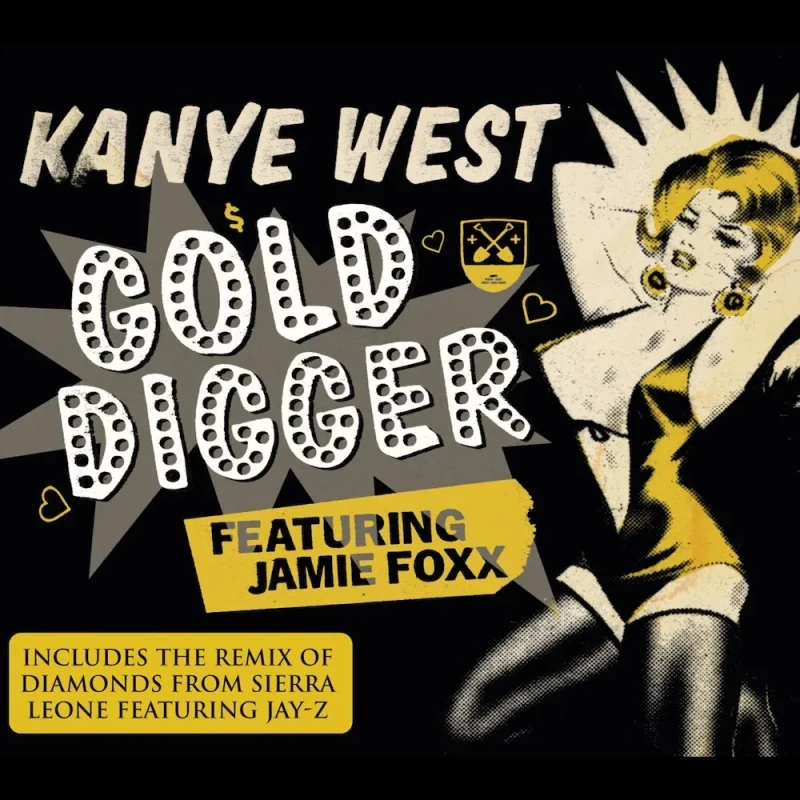
Late Registration had better singles than “Gold Digger.” I’d much rather hear “Diamonds from Sierra Leone,” “Hear ‘Em Say,” or “Touch the Sky” than Jamie Foxx’s Ray Charles impersonation, though he earned that Best Actor Oscar for Ray. Truth be told, I am scarred (and scared) for life by Matthew Morrison rapping this song on Glee. But looking at all of the #1 hits from 2005, the distance between “Gold Digger” and Mariah Carey’s “We Belong Together” is shocking. There is no argument to be made here; “Gold Digger” was (and still is) seismic, with Kanye name-checking Busta Rhymes, J-Lo, and Usher before the “he’ll leave yo’ ass for a white girl” punchline detonates. Pit the song against the other pop-rap hit on this list (“Candy Shop”) and it’s like watching varsity play JV. Kanye lit a hungry rap world ablaze with The College Dropout in 2004, but Late Registration might be his best album all these years later. “Gold Digger” was the song that broke containment and surged up the charts. 80,000 people bought the record digitally in one week, setting a record. The thumping beat, the handclaps, the faux-blues sample of Ray Charles’ “I Got a Woman” (performed by Foxx, who had appeared with Kanye on Twista’s awesome hit “Slow Jamz” two years earlier), the bone-dry humor, rattling “we want prenup” chant, and misogynistic, male-gaze mischief made for a perfect, irresistible, and terminally mid-2000s storm.