
In what’s now become a yearly tradition every December, I’m back ranking #1 hits from topical anniversary dates. This winter we’ll be doing 1975, 1985, 1995, 2005, and 2015, and I’ll be ranking every chart-topper from worst to best in each respective year. I did this last year and the year before that, and I’m thrilled to be back ranking the good, the bad, and the ugly that took over Billboard’s esteemed (now trivial?) Hot 100.
Looking at 1975, we’re dealing with 35 entries across 52 weeks. That’s one less than what 1974 had to offer last year, and I think there are approximately 22 good to great songs here. The top 15 or so is undeniable. But, but: there are some seriously bad songs in this ranking. Like, I’m talking about some of the most uninspired dribble you’ve ever listened to. Thankfully we’ve got some classics in here to offset the mediocrity. Funk, disco, instrumental, country, and rock and roll classics and clunkers abound. Happy scrolling! Here is every #1 hit song from 1975, ranked from worst to best.
35. (Tie) KC and the Sunshine Band: “That’s the Way (I Like It)” / “Get Down Tonight”
I am among KC and the Sunshine Band’s greatest haters. They’re simply avatars of a forgotten, hopeless time when pop hadn’t gone fully disco. Why did America let this band become so culturally significant??? There is one KC and the Sunshine Band song that I like and it’s “Please Don’t Go,” which did hit #1 in the US in 1979. But the 1-2 punch of “That’s the Way (I Like It)” and “Get Down Tonight” is perfectly tasteless mainstream slop. You’ll need a lobotomy to forget about it.
33. Elton John: “Island Girl”
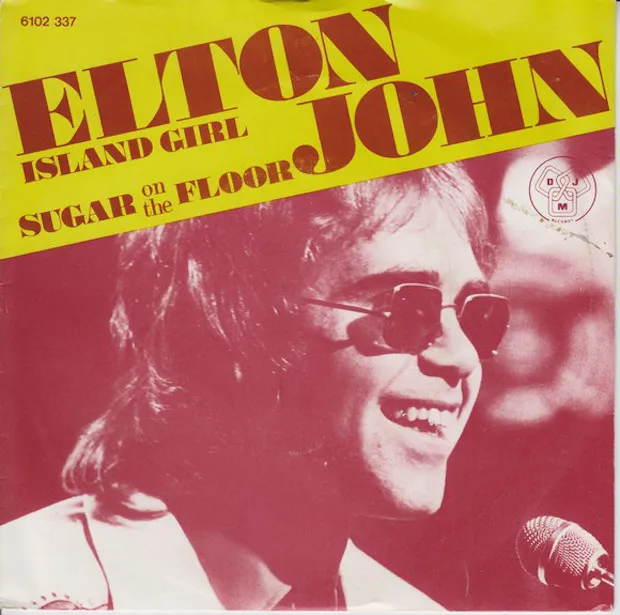
Spared from landing at the bottom of the list because it’s not a KC and the Sunshine Band song, Elton John’s “Island Girl,” his third #1 hit of 1975, should get nuked into outer space. Talk about the most egregiously poor lyrical showing in the history of Bernie Taupin and Elton’s collaborative relationship. Not only do we have to sit though god-awful, offensive phrases about a Jamaican sex worker (“Tell me what you wanting with the white man’s world,” “She’s black as coal, but she burn like a fire”), but we have to hear Elton and his band flirt with some of the most white-bread reggae-pop tones ever. But whatever catchiness does prevail (spoiler: not much) can’t overpower the tired depiction of a white savior complex and racist, trope-fueled storytelling. Pressing play on the song while writing this list filled me with immediate shame. Hell, even Elton himself went over 30 years without performing it. I think Tom Breihan summed everything up best in his Number Ones column six years ago: “It’s best to ignore ‘Island Girl’ as a song and to simply look at it as evidence of the hot streak that Elton John was on in 1975.”
32. Neil Sedaka: “Bad Blood”
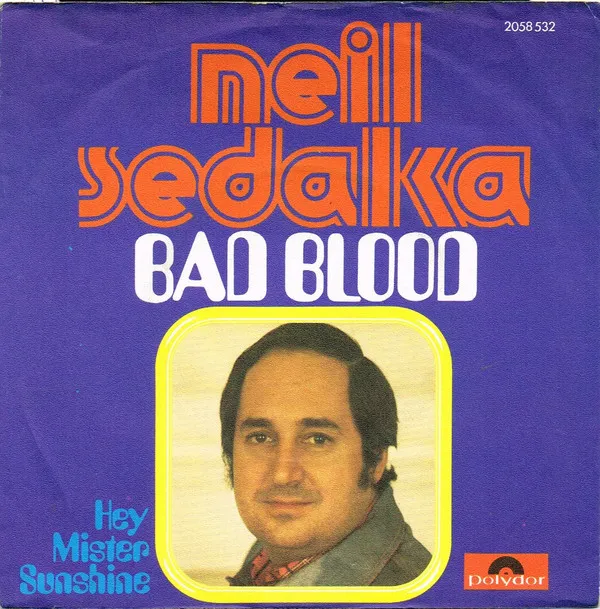
This song makes me want to tear my ears off. I’m so angry that Elton John sings backup on it, that the late Steve Cropper is laying down the axe in there. I get that it was Neil Sedaka’s most successful single. That’s great! It’s just not for me. There’s just something going on in this song that ruins it for me, but I can’t pinpoint what. Maybe it’s because the melody somewhat sounds like a washed-out, inexusably awful rinse of Joni Mitchell’s “Free Man in Paris.” But hey, Billboard made “Bad Blood” a #1 hit for three weeks. The stats don’t lie, even though I’m disappointed in them. Thankfully a much better “Bad Blood” became a #1 hit 40 years later.
31. Barry Manilow: “Mandy”
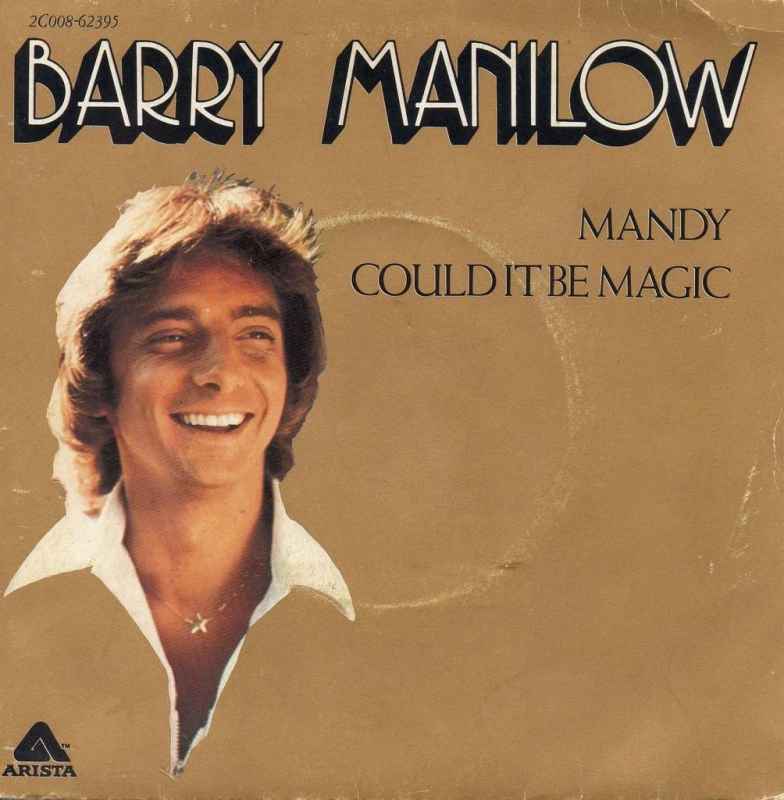
My apologies to the Fanilows reading this, but “Mandy” is unbearable. It takes “easy listening” to an unfortunately boring extreme. I am not even anti-Barry Manilow. I can get down with “Copacabana.” But you can only hear so many pop ballads before they start blending together. I look at other #1 hits from 1975 and see other ballads, and all of them are better. Manilow lays down some great piano playing, but his singing lacks passion. He didn’t even write the tune. Instead, it was Scott English, and the song’s title was “Brandy.” But considering that Looking Glass’ “Brandy (You’re a Fine Girl)” was a #1 hit in 1972, Manilow opted to change the name to avoid confusion. Want my advice? Just listen to “Brandy (You’re a Fine Girl)” instead. 🙂
30. B.J. Thomas: “(Hey Won’t You Play) Another Somebody Done Somebody Wrong Song”
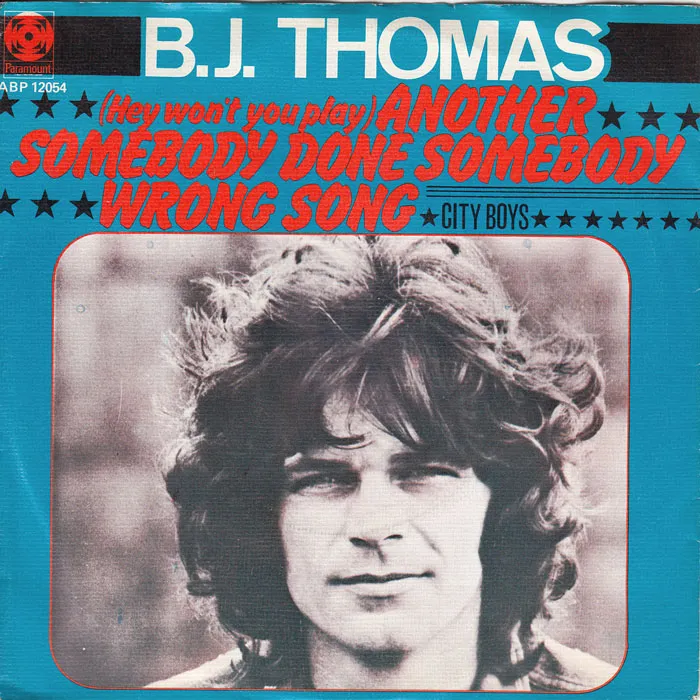
“Raindrops Keep Fallin’ on My Head” bought B.J. Thomas a lot of goodwill, and that faith spread to the consumer response to the mostly fine “(Hey Won’t You Play) Another Somebody Done Somebody Wrong Song.” It’s catchy and earned Thomas a Grammy for Best Country Song, but it sounds like a countrypolitan parody now. Maybe 50 years ago it was more sincere. A million people did buy a copy, after all. There’s a sweetness to the guitar melody that’s contagious enough, but the coolest thing about “Another Somebody Done Somebody Wrong Song” is that one of the co-producers was named Chips Moman.
29. Tony Orlando & Dawn: “He Don’t Love You (Like I Love You)”
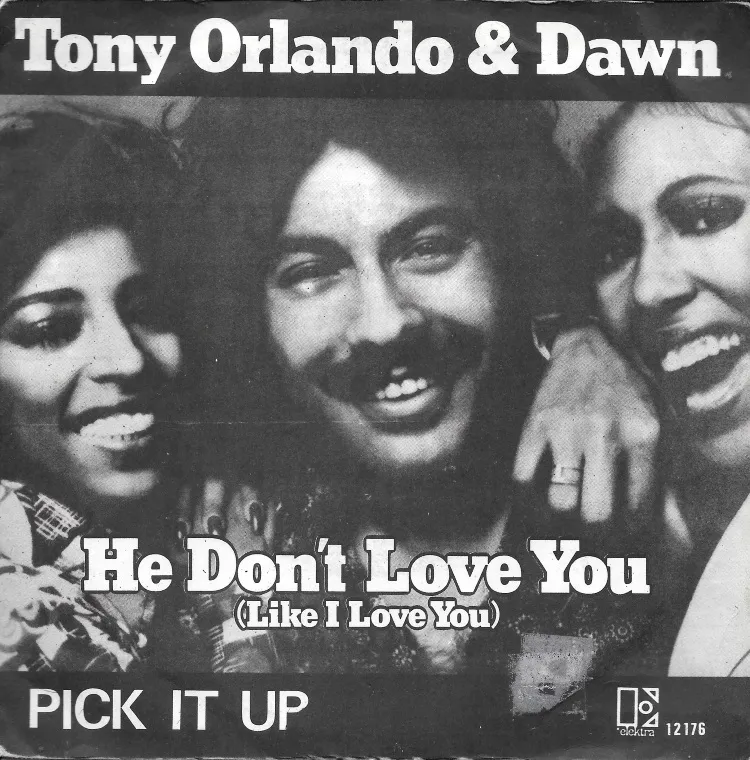
Spring 1975 was a bleak time for mainstream music, I’m gathering. First B.J. Thomas and now this impossibly bland duet from Tony Orlando and Dawn? What did American listeners do to deserve this? Summer was around the corner and the kids were bobbing their heads to “He Don’t Love You (Like I Love You)”? The kids needed their heads checked. Do yourself a favor and listen to Jerry Butler’s original version, titled “He Will Break Your Heart.” Curtis Mayfield co-wrote it, and it’s a nifty pop tune. Much, much better than the adult-contemporary makeover Orlando and Dawn gave it.
28. Freddy Fender: “Before the Next Teardrop Falls”
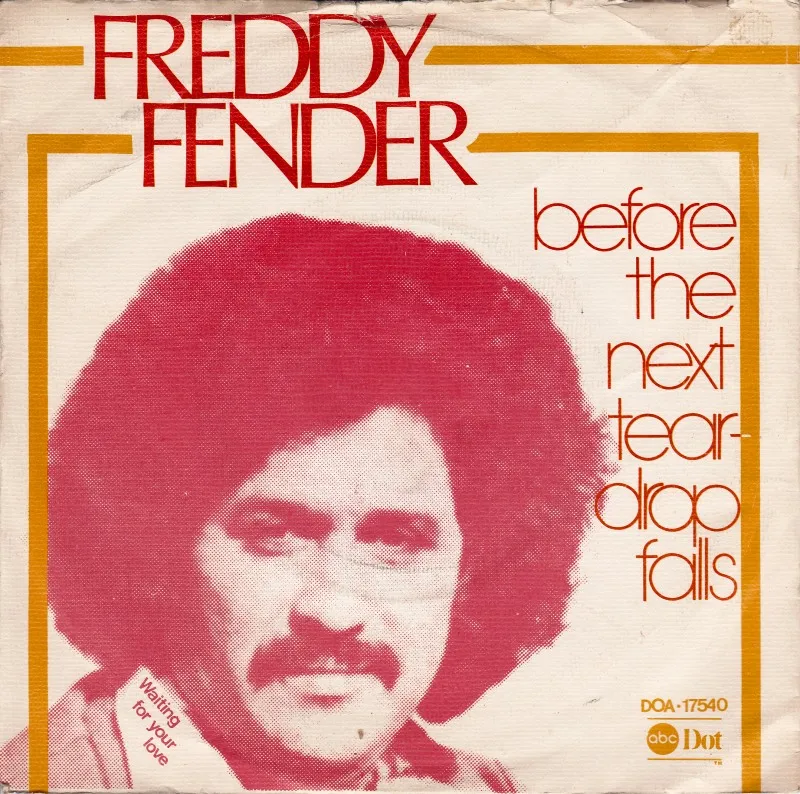
Halfway between country and tejano music, Freddy Fender’s interpretation of Vivian Keith and Ben Peters’ “Before the Next Teardrop Falls” is a dreamy little number performed bilingually. It doesn’t seem like Fender liked the tune very much. He told an interviewer: “The recording only took a few minutes. I was glad to get it over with and I thought that would be the last of it.” It’s a shame that Fender is really only known for this single and maybe “Secret Love.” I do like his singing here, and I appreciate the sweetness of producer Huey P. Meaux’s Tex-Mex style. It’s one of six country songs to have topped the Hot 100 in 1975, and it’s sadly one of the worst.
27. Silver Convention: “Fly, Robin, Fly”
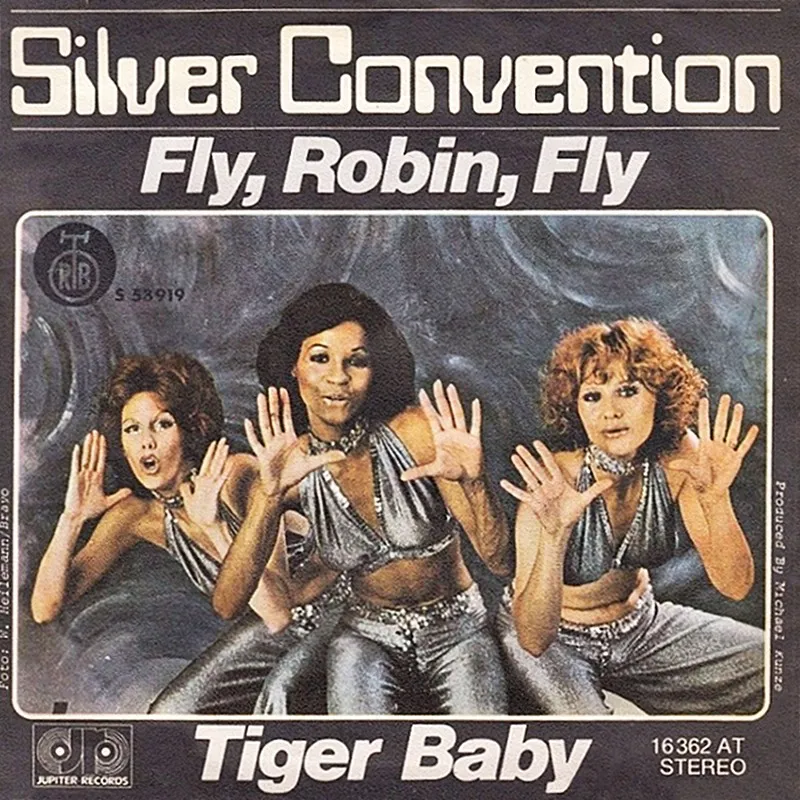
Now presenting: the only #1 hit with six words. Silver Convention, a dance act from Germany, got nominated for Best R&B Instrumental Performance for “Fly, Robin, Fly,” the triultimate #1 hit in 1975. It’s a Euro-disco song with some touches of funk packed into it. There’s not much else to say, except that the orchestral passages are too overpowering for the arrangement. There are some really fascinating basslines getting totally buried beneath those string sections. It’s hard to fathom an instrumental topping the charts in 2025, but “Fly, Robin, Fly” sounds especially out of time.
26. Frankie Valli: “My Eyes Adored You”
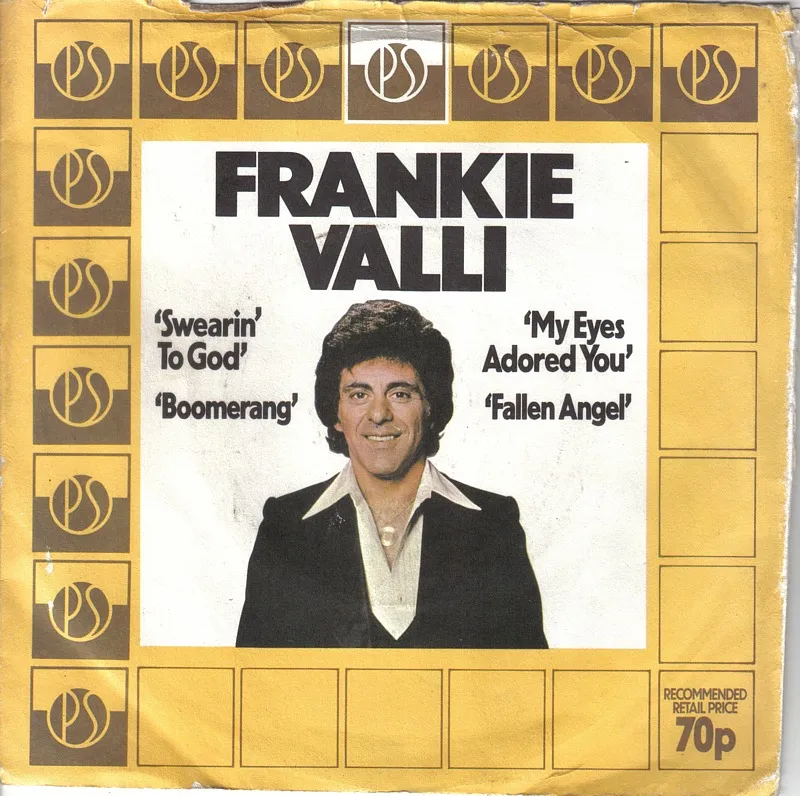
This is actually a Four Seasons song, but Private Stock Records’ founder Larry Uttal would only release it under Frankie Valli’s name alone. Sure, why not? The song is good enough—lush singing from Valli and an expansive, inspired orchestral arrangement courtesy of Charlie Calello—but the performance kicks into impressive gear when Valli’s bandmates (Joe Long, Demetri Callas, Gerry Polci, and Lee Shapiro) chime in and harmonize with him. The problem with “My Eyes Adored You” is that it’s got no bite to it. A milquetoast song can only swoon for so long.
25. Average White Band: “Pick Up the Pieces”
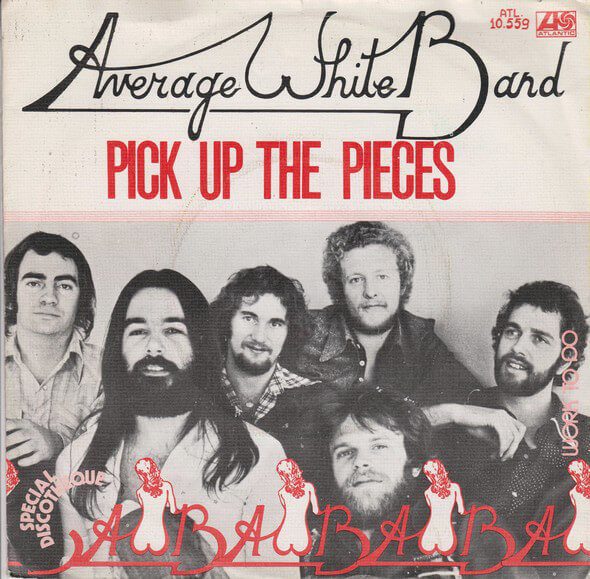
Perhaps I’m just conflating its image with that of the Nitty Gritty Dirt Band, but I don’t remember the Average White Band being a disco group??? I heard “Pick Up the Pieces” at least a hundred times on my hometown’s oldies radio station but never thought to learn the name of who made it. Oh well. “Pick Up the Pieces” being an instrumental track is not why it’s this low on the list. I just think it’s a very flaccid funk song, aside from Roger Ball’s incredibly sexy saxophone performance. Like, the song is fine. Inoffensive, really. It’s just never been a real groover for me, because there are dozens of better funk releases (see #13 on this list). I think I’ve changed the station to something else when this song comes on more than I haven’t. But that’s the beauty of the Hot 100, especially 50 years ago: one week at a time, a real head-scratcher gets a shot at pop-chart immortality. Here’s looking at you, Average White Band.
24. Hamilton, Joe Frank & Reynolds: “Fallin’ in Love”
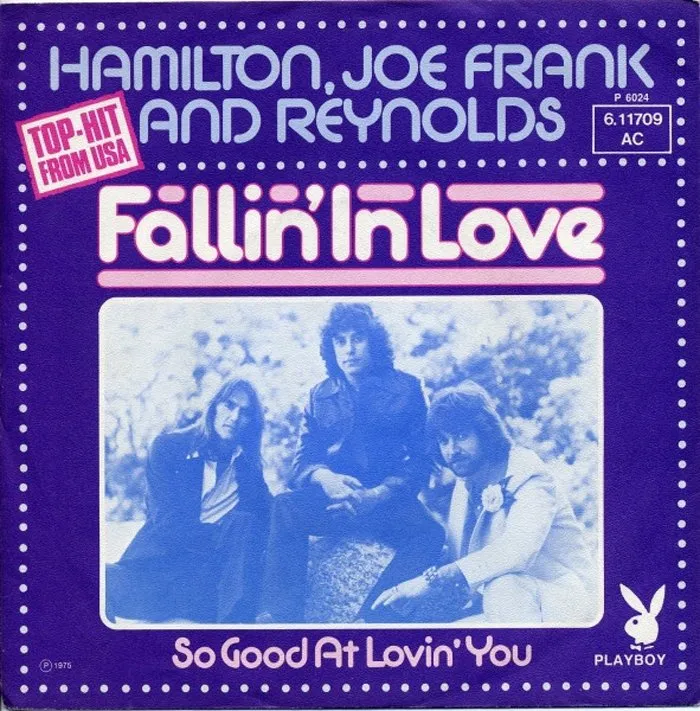
While I don’t think “Fallin’ in Love” is a particularly compelling or interesting entry in this list, it was the only #1 hit that Playboy Records ever had, so there’s some history to be, er, celebrated? Hamilton, Joe Frank & Reynolds had spent years trying to make a name for themselves, shuffling through lineup and style changes before landing on being a soft rock trio in 1972. The work paid off for one week in 1975, when “Fallin’ in Love” went big. The band slowly faded away after topping the pop chart, failing to ever reach the Top 40 again. To quote their follow-up single: there’s winners and there’s losers.
23. The Doobie Brothers: “Black Water”
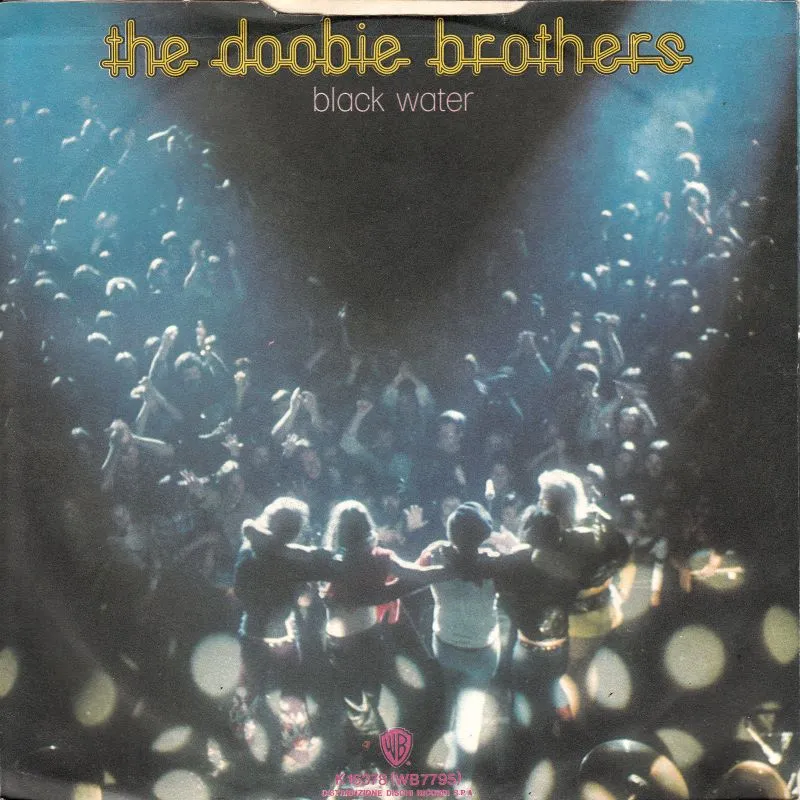
I’ve never taken much shine to the pre-Michael McDonald era of the Doobie Brothers. But “Black Water” is an exception, as it probably is for most people. Now, I don’t love this song, most likely because I’ve simply heard it too much, but I am not immune to giving it a toe tap or two. That “keep on rolling” chorus and Patrick Simmons singing “I’d like to hear some funky Dixieland, pretty momma come and take me by the hand” fell out of every radio my family ever owned. I dig when the song bottoms out and the hook goes acappella. Also: that viola performance by Novi? Tremendous, awing.
22. Van McCoy and the Soul City Symphony: “The Hustle”
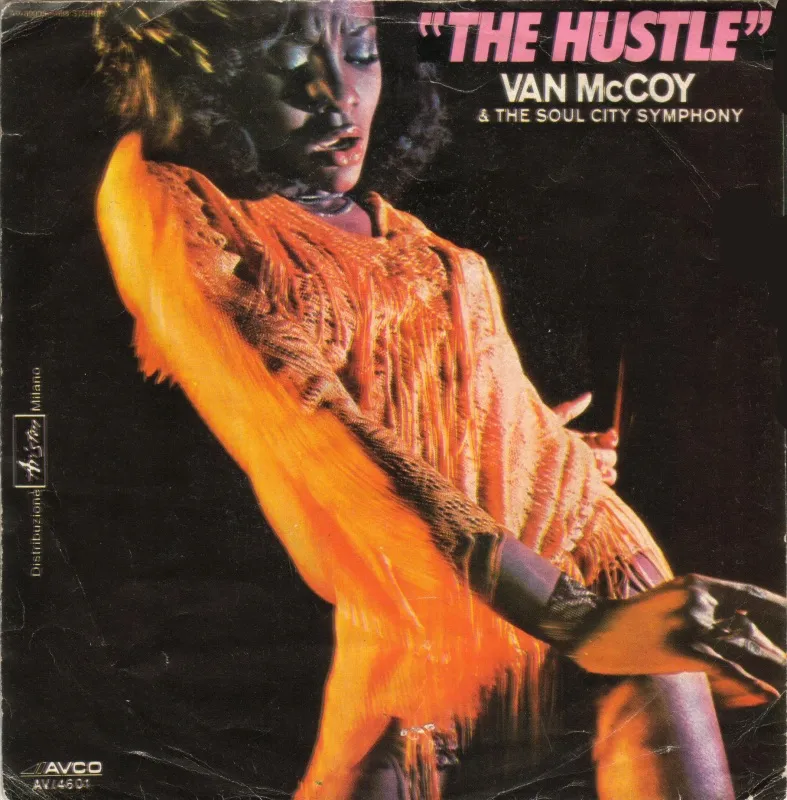
Forget the Macarena, Time Warp, YMCA, Cha-Cha Slide, Locomotion, Cupid Shuffle, Hokey Pokey, and Dougie. “The Hustle” is the greatest dance song ever, and it’s not even close. Van McCoy wrote it for his Soul City Symphony and it deservedly cracked the top spot on the Hot 100 right as the July heat was settling in. Patrons at the Adam’s Apple nightclub in New York City were doing “the Hustle,” which inspired McCoy to make a song about it. One of the city’s radio stations, 770 WABC, named it the song of the year in 1975. How many great songs feature a lead melody played through a piccolo? I think it’s just one, but it’s a great one. It’s everything “Pick Up the Pieces” wants to be.
21. Olivia Newton-John: “Have You Never Been Mellow”
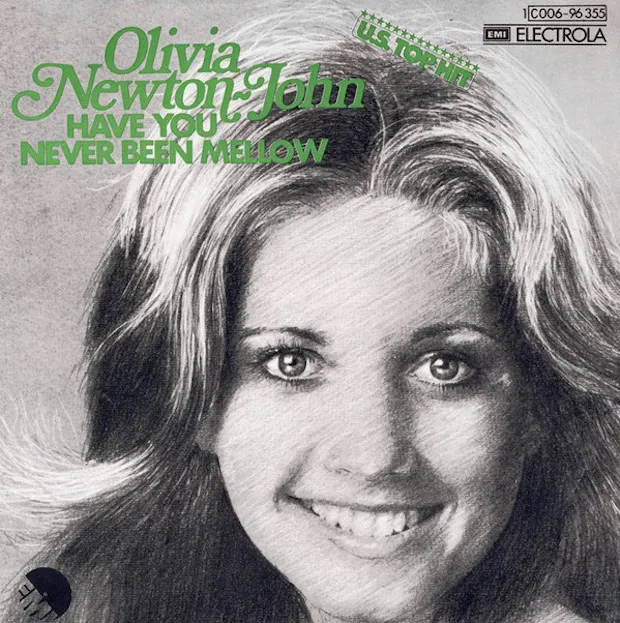
“I Honestly Love You,” the single that predated “Have You Never Been Mellow,” won Olivia Newton-John a Grammy award for Record of the Year. Honestly, I think “Have You Never Been Mellow” is a much better song. It got nominated for Best Pop Vocal Performance, Female but lost to Janis Ian’s “At Seventeen,” but it did top the Hot 100 in March 1975. The single was her fourth consecutive gold record and second #1 hit in a row, and it’s one of my favorite things she ever worked on with producer John Farrar. “Have You Never Been Mellow” is country meets adult contemporary, but with an easy-going pop tempo. That might seem like an outdated formula now, but it rang every bell 50 years ago.
20. Neil Sedaka: “Laughter in the Rain”
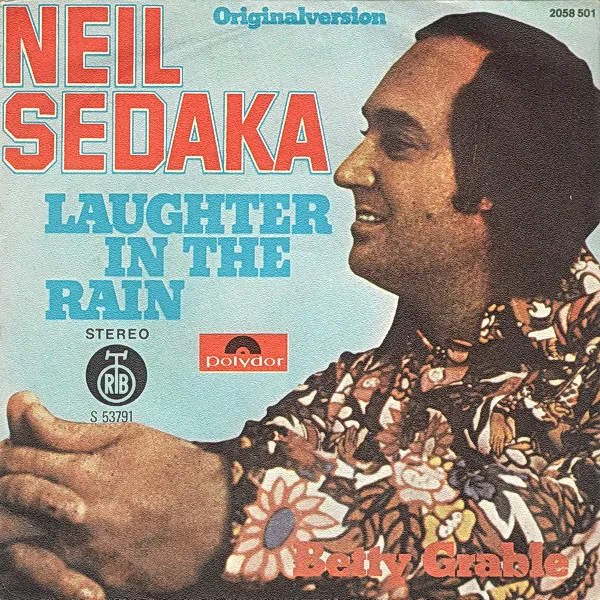
Neil Sedaka I apologize, I was not familiar with your game. After the disaster of “Bad Blood,” I was expecting “Laughter in the Rain” to be equally maddening. But I was wrong! “Laughter in the Rain” is a sensual pop delight. Sedaka co-wrote it with lyricist Phil Cody, who’d found inspiration for the words after smoking dope and taking a nap outside. Peter Gordeno released a version of the tune first, in May 1974, and then Lea Roberts sang it. It was her performance appearing on the radio that inspired Sedaka to rush the release of his own version, which came out on Elton John’s Rocket label in the States and Polydor globally. Elton was a major inspiration for Sedaka, and you can hear it on “Laughter in the Rain,” with its chorus flashing the “drop-dead chord” used in “Goodbye Yellow Brick Road.” But I have to give props to Artie Butler’s orchestral arrangement. With Jim Horn’s saxophones flanking the symphony, the ensemble and a singing trio of Abigail Haness, Brenda Gordon, and Brian Russell sprawl in full color.
19. John Denver: “I’m Sorry”
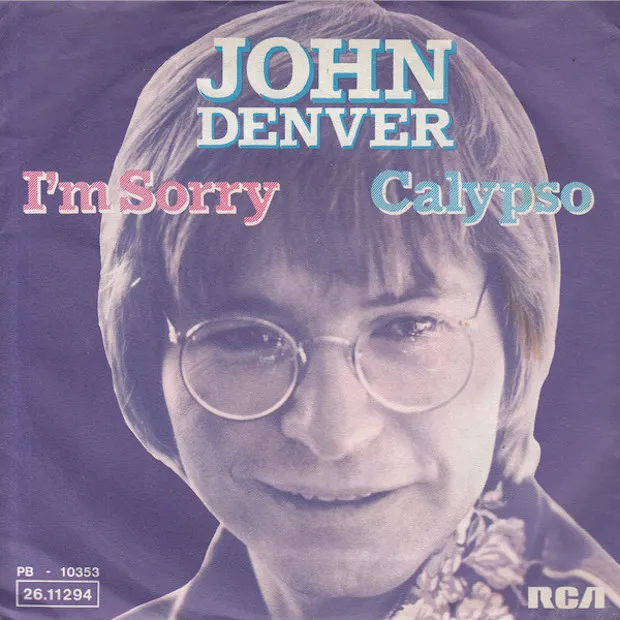
I love John Denver, but his ballads blur together. “I’m Sorry” isn’t any more affecting than “Annie’s Song” or “Leaving On a Jet Plane,” but it’s a great, emotional song nonetheless. The recording is special too because it was Denver’s last #1 hit. And it delivers on everything you need it to: Lee Holdridge’s string arrangement is lovely, and Denver’s singing is as sweet as ever in a lovesick, apologetic way. In his freezing-cold, heartbroken confessional, he vibrates with candor and sugar. “I’m Sorry” is the epitome of “easy listening,” greatly overshadowed by Denver’s other chart-topper in 1975. But it’s a beauty.
18. Elton John: “Lucy in the Sky With Diamonds”
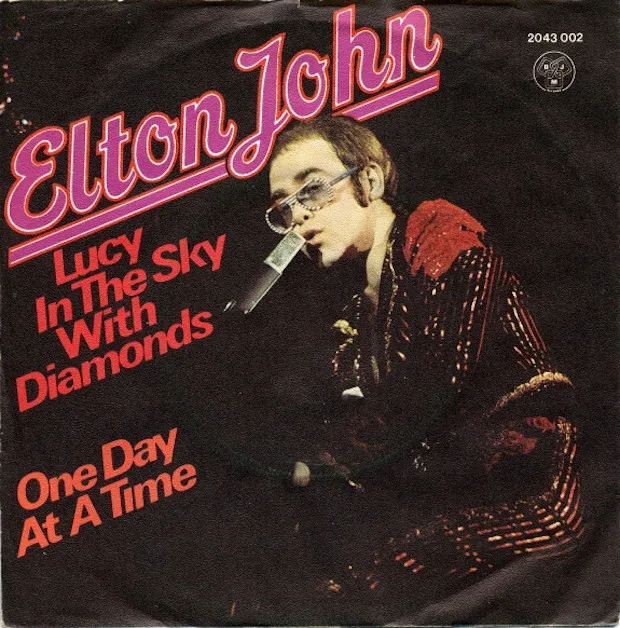
Covering a Beatles song can be tricky. Some great ones: Fiona Apple’s “Across the Universe,” Nina Simone’s “Revolution,” Joe Cocker’s “With a Little Help From My Friends,” Stevie Wonder’s “We Can Work It Out.” Elton John’s attempt at John Lennon’s “Lucy in the Sky With Diamonds” is… good! It’s Elton John, you know? Lennon himself plays guitar and sings backup on it! But I’ve never once wanted to listen to “Lucy in the Sky With Diamonds” and picked his version, though I’m not displeased whenever it comes on. Elton added an instrumental break after the second chorus, ballooning the song’s runtime to six minutes. It was Rocket Man’s third #1 hit, entering the chart’s top position at the dawn of 1975 and setting the stage for Elton’s greatest album, Captain Fantastic and the Brown Dirt Cowboy.
17. Bee Gees: “Jive Talkin’”
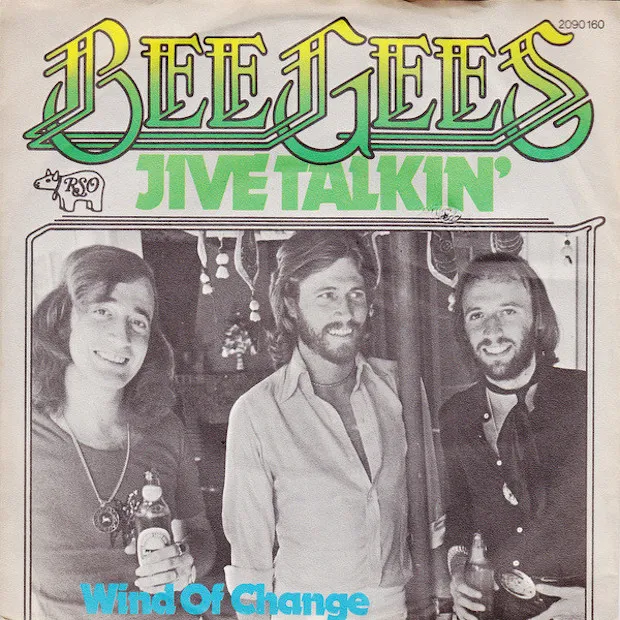
Going into late 1975, the Bee Gees were in a commercial dry spell. It’d been nearly four years since their last Top 10 hit (“How Can You Mend a Broken Heart”), but “Jive Talkin’,” the lead single from the band’s 13th album, corrected course. It would show up on the Saturday Night Fever soundtrack in 1977 but not before ruling the Hot 100 for two weeks first. Whether it’s Barry Gibb’s scratchy, flashy guitar playing, Blue Weaver’s anchoring synth bass, or the Gibb brothers’ three-part singing, it’s hard to classify “Jive Talkin’” as anything but delightful. It’s a song that set an impressive precedent for the disco sensation the Bee Gees would soon become, but it still managed to pack in a bit of their blue-eyed soul and R&B flavor.
16. Captain & Tennille: “Love Will Keep Us Together”
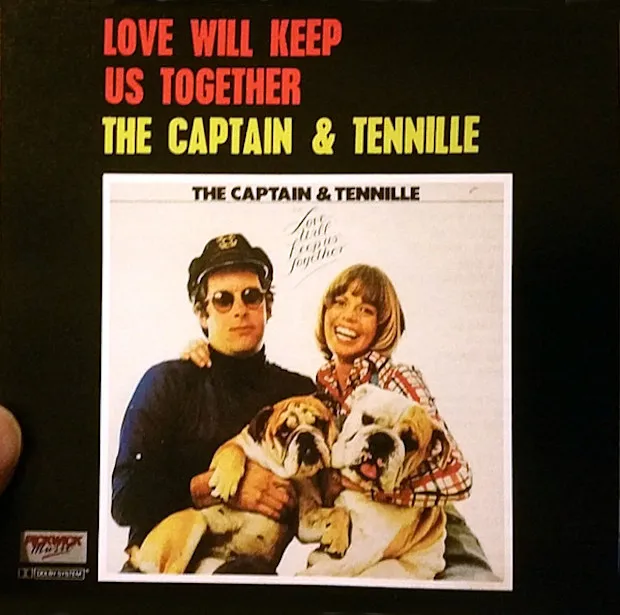
1975’s “Song of the Summer” still bangs, and don’t let anyone tell you otherwise! Written in 1973 by Howard Greenfield and Neil Sedaka, who admitted to lifting the song’s chord progression from the Beach Boys’ “Do It Again,” “Love Will Keep Us Together” is pop soul at its most contagious. It’s no wonder that Greenfield and Sedaka had Diana Ross in mind when they wrote it. But I’d say that Toni Tennille does a pretty impressive job introducing Captain & Tennille to the mainstream world. “Captain” Daryl Dragon plays most of the instruments on the recording, except for some subtle yet effective drumming from the great Hal Blaine. “Love Will Keep Us Together” is one of the best debut singles of its time, earning a Song of the Year nomination at the Grammys and even inspired Joy Division’s “Love Will Tear Us Apart.”
15. John Denver: “Thank God I’m a Country Boy”
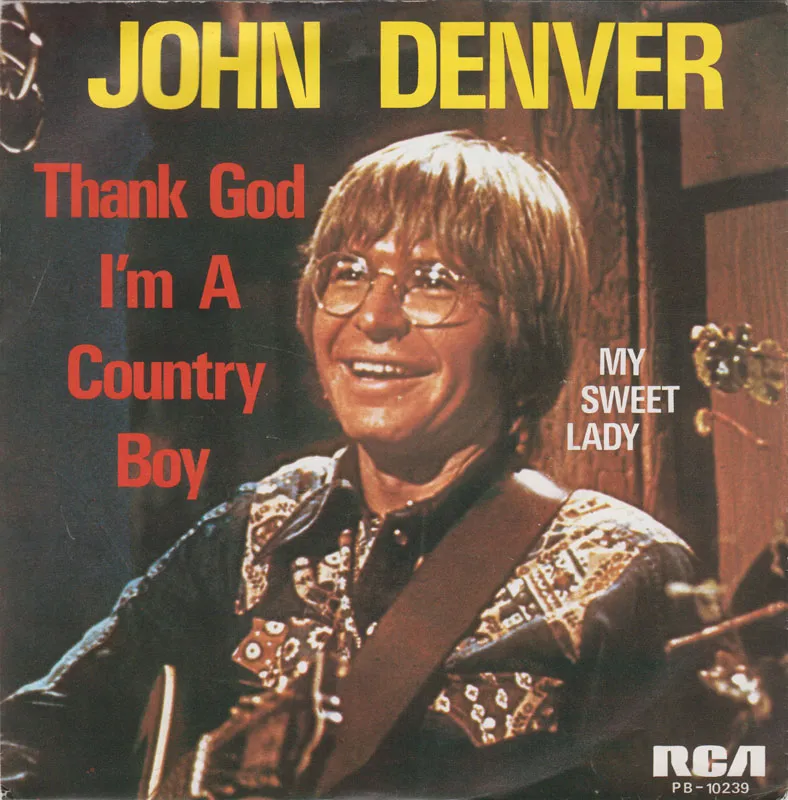
The pop charts could always use a bit of bluegrass in its rankings. “Thank God I’m a Country Boy” may be one of John Denver’s greatest recordings, and I’m quite thrilled that the United States loved it enough to make it a hit song. The second of Denver’s two #1s in 1975, “Thank God I’m a Country Boy” sounds best live on An Evening With John Denver, but the Back Home Again version is no doubt a crowd-pleaser. The instrumental breaks feature a violin playing the fiddle tune “Sally Goodin,” and Denver’s voice sounds especially happy here. On a drive from Aspen to Los Angeles, stringman John Martin Sommers wrote the tune for Denver on his 30th birthday.
14. Minnie Riperton: “Lovin’ You”
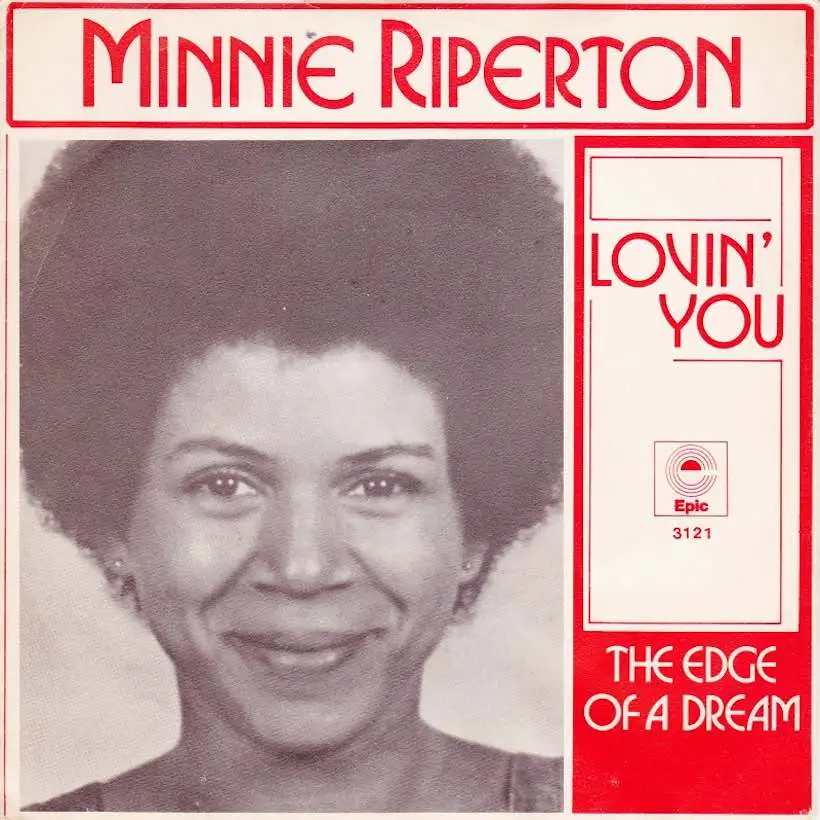
In “Lovin’ You,” Minnie Riperton’s vocals span from C♯4 to F♯6. It very well might be the greatest singing performance captured on tape, a feat considering it’s Stevie Wonder (under the pseudonym “El Toro Negro,” due to Motown contract conflicts) playing electric piano behind her. On the album version, Riperton so sweetly sings “Maya” over and over for her baby daughter. DJ’s mistook it for a religious chant and replaced it with a fadeout in the radio edit. No matter the change, “Lovin’ You” is a lullaby surrounded by talking birds, with Richard Rudolph’s acoustic guitar strumming delicately against Wonder’s notes. It’s maybe the most beautiful hit record ever.
13. Ohio Players: “Fire”
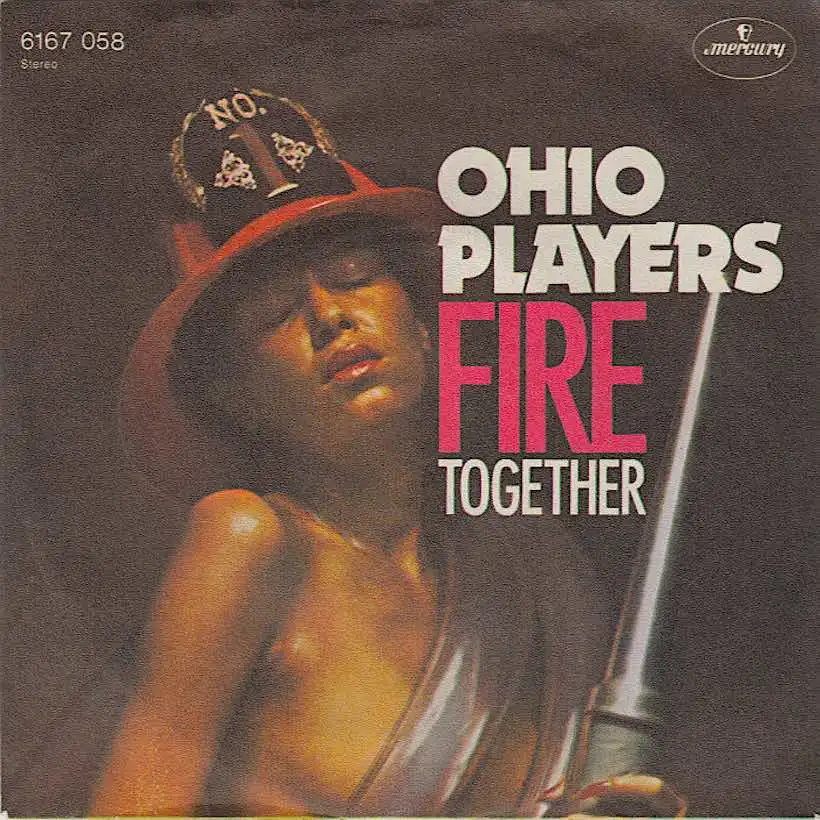
When it comes to Ohio Players, the song you know best is either “Love Rollercoaster” or “Fire.” If you’re going to have a signature tune, you can do a lot worse than “Fire.” In fact, few songs better represent the onset of disco than this one. I have my biases toward Ohio Players, them being from Dayton and all, but I do think the caliber of craft on “Fire” is the type that would secure any band’s legacy. This is a funk masterpiece, fire truck siren and all. After a gig in California, the Ohio Players debuted the track for a curious Stevie Wonder, who believed it would become a hit. Not only was he right, but “Fire” went on to inspire another hit-making Ohio band in 1976: Wild Cherry’s “Play That Funky Music.”
12. Eagles: “Best of My Love”
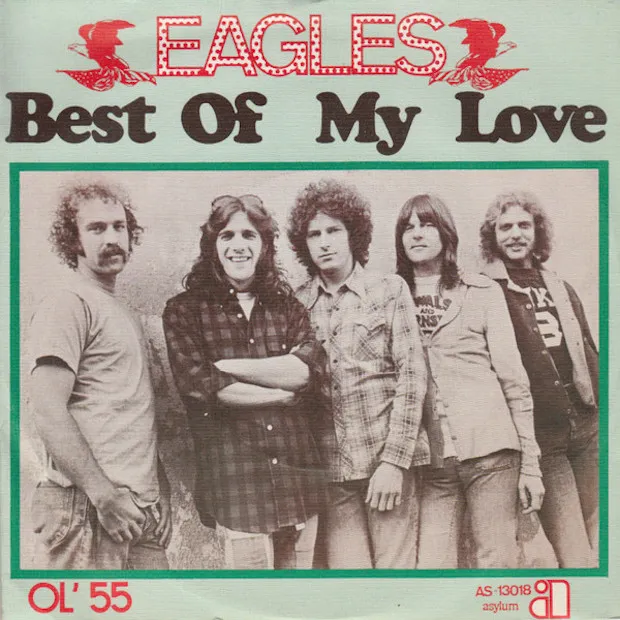
For decades, the Eagles have been among rock and roll’s easiest punching bags. This is neither the time nor the place to get into all of that, but I will say that “Best of My Love” is one of my favorite ballads, period. I heard (what’s left of) the band play it at the Sphere in February and Don Henley’s heartsick vocal sounded as good as ever. Perfect songs just have a way of coming out perfect no matter the era or singer. Henley doesn’t have Glenn Frey, Bernie Leadon, and Randy Meisner harmonizing with him anymore, but “Best of My Love” is a country idea that’s too excellent to fail. There’s a funny story behind it, too: Asylum Records chopped up the single to be “radio-friendly,” which mortified and angered the band (and rightfully so). The Eagles demanded it be pulled from record stores, but it was too late. That didn’t matter, though. “Best of My Love” became one of their (at the time) most popular singles, giving the band its first #1 hit ever. When it sold its millionth copy, Irving Azoff sent Asylum a gold record with part of it cut out, calling it the “Golden Hacksaw Award.”
11. The Elton John Band: “Philadelphia Freedom”
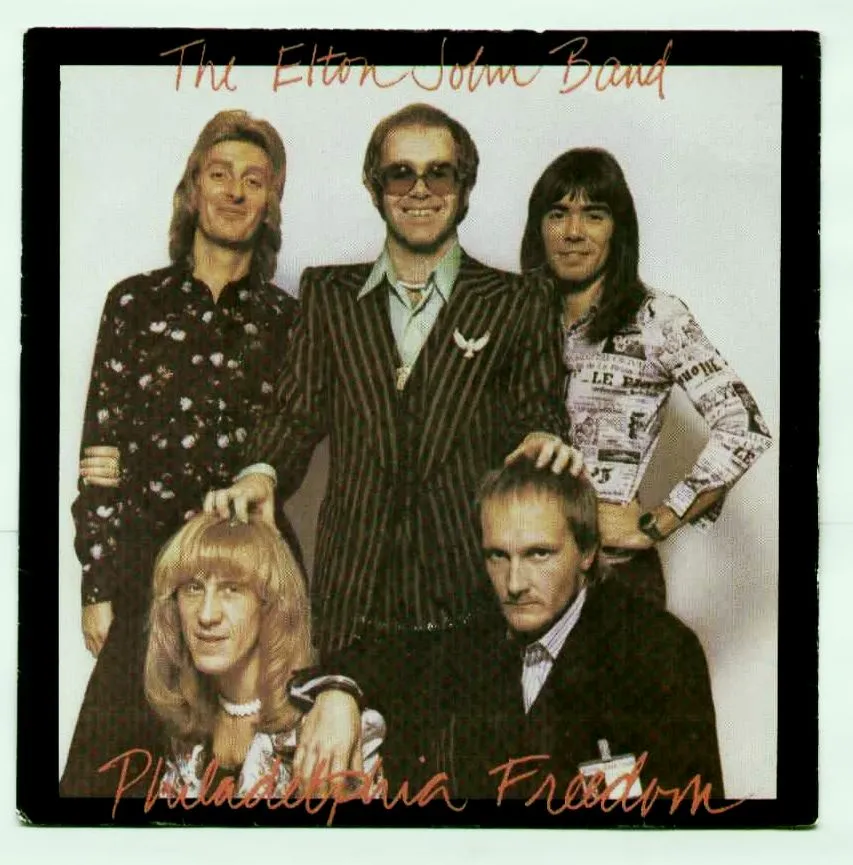
“Philadelphia Freedom” is one of those Elton John tracks that I keep returning to and loving more and more with each listen. It was a pivot—at the time—for Elton, as he made his first real attempt at crafting a proto-disco song before disco ran the gamut on the mainstream. Coupled with inflections of soul architecture, Elton paid homage to the Philadelphia Freedoms tennis team—which his dear friend and tennis star Billie Jean King was a part of—and the Philadelphia soul sound that utilized funk, baroque pop, big band, and R&B and played a critical role in turning the American eye in-favor of disco. Very rarely did Elton drop a one-off single with such power. “Philadelphia Freedom” is not an exception to the rule, but the rule altogether.
10. America: “Sister Golden Hair”
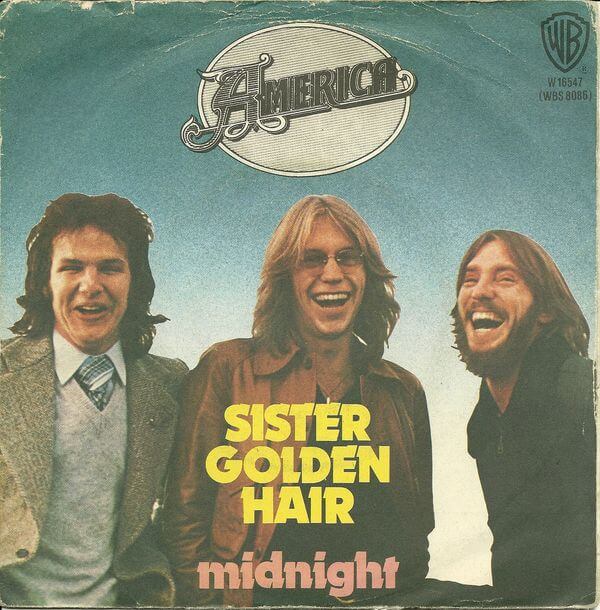
Thanks to TikTok, “Ventura Highway” has become the drink of choice for budding America fans. But we must pay the “Sister Golden Hair” toll always. When I think of radio-ready folk-rock from the 1970s, few recordings are better than the Hearts lead single, which topped the Hot 100 before that year’s “song of the summer” crashed America’s party. Gerry Beckley was inspired by Jackson Browne’s “knack” for writing about Los Angeles. “I find Jackson can depress me a little bit, but only through his honesty,” Beckley commented. “And it was that style of his which led to a song of mine.” I gotta say, the “Will you meet me in the middle? Will you meet me in the air” chorus is the stuff of gentle legends. Love sounds good when it’s coming out of a slide guitar. Here’s a fun fact: SNL great Phil Hartman designed the Hearts album cover, back when he was a graphic designer and not yet a beloved funnyman.
9. Earth, Wind & Fire: “Shining Star”
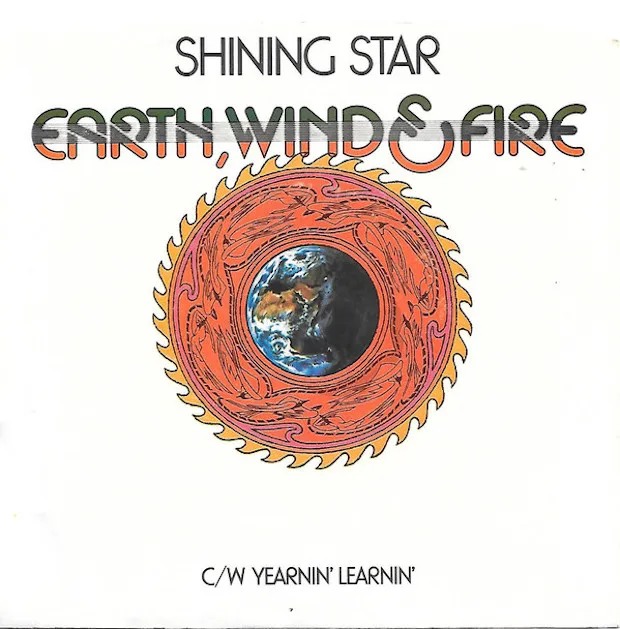
A funk classic. No better way to describe it. Sandy Pearlman heard it and said Earth, Wind & Fire was “the closest thing to a Black heavy metal band.” A blaring ensemble of two saxophonists, a trombonist, a trumpeter, and a clavinet player surround Maurice White and Phillip Bailey’s co-lead vocals. Don’t get me started on that one-two punch of Verdine White on bass and Al McKay on lead guitar. I can taste the sweat whenever I listen to “Shining Star.” I don’t know how many funk songs are more “essential” than this one, but I bet I could count them on one hand and still have fingers to spare. If you’ve never spent time listening to “Shining Star” through a good pair of headphones, do it immediately. It’ll sound like three or four chattering cities crashing into each other.
8. Glen Campbell: “Rhinestone Cowboy”
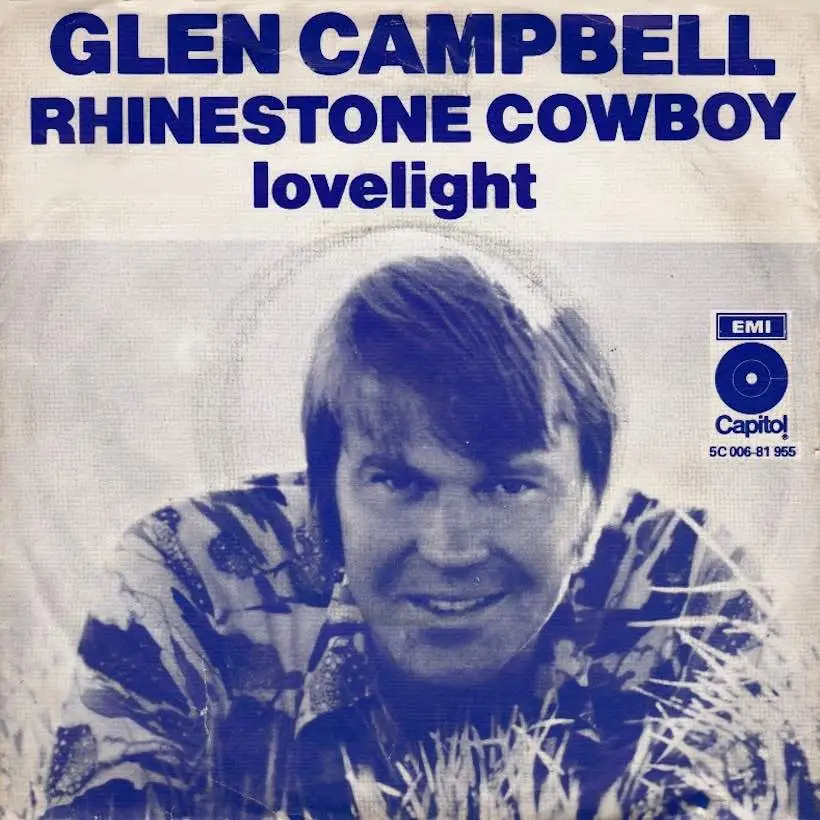
Here’s a song that makes my mom cry every time she hears it. It’s not my favorite Glen Campbell track (that’s “Gentle On My Mind”), nor is it what I’d call his greatest (that’s “Witchita Lineman”), but it’s probably his signature song. At the very least, it’s the best country-pop crossover of the era, maybe of all time. “Rhinestone Cowboy” is a song about surviving and getting what you’re owed. Campbell was 39 when he sang it, but he does it with the conviction of somebody in the twilight of their career. I suppose, in pop music terms, knocking on the door of 40 years old is the twilight of a career, but Campbell radiates in the company of Dean Parks, David Paich, Tom Scott, and Fred Tackett. I think I’d like to go to a star-spangled rodeo someday.
7. Carpenters: “Please Mr. Postman”
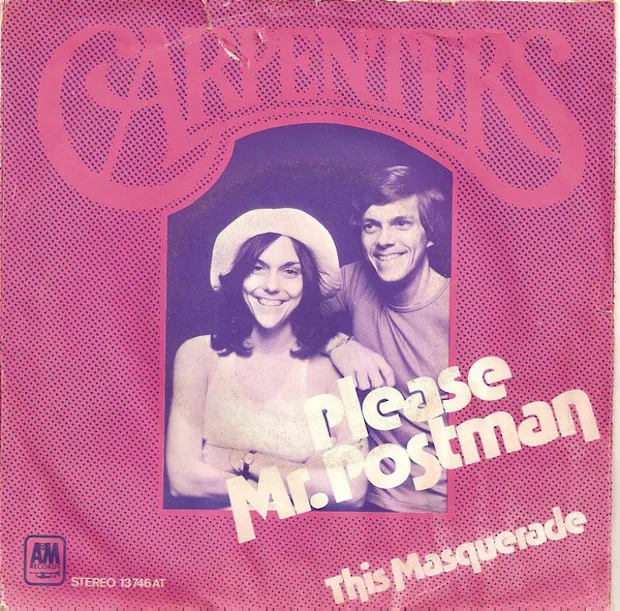
I think the Marvelettes’ version of “Please Mr. Postman” is among the greatest Motown songs ever. I mean, it’s so ubiquitous that not even the Beatles could improve on it during the surge of Beatlemania. I don’t think the Carpenters improved on it in their version, either, but Karen Carpenter could sing the phonebook and I’d be in love with it. Thanks to a supporting ensemble of saxophonists Bob Messenger and Doug Strawn, bassist Joe Osborn, guitarist Tony Peluso, and an uncredited cast of castanets and tubular bells, Richard Carpenter conducted a pop symphony that sounds better every time I hear it. The framework of the Carpenters’ cover is similar to that of the Marvelettes’ original, especially that “ooh-wee-ooh” outro, but Peluso’s guitar playing lends a loose and inspired rambling rock texture to the old-school swing. It was the duo’s final #1, staying there for one week in January. If you ask me, few cover songs from this era still sound as good 50 years later.
6. Wings: “Listen to What the Man Said”
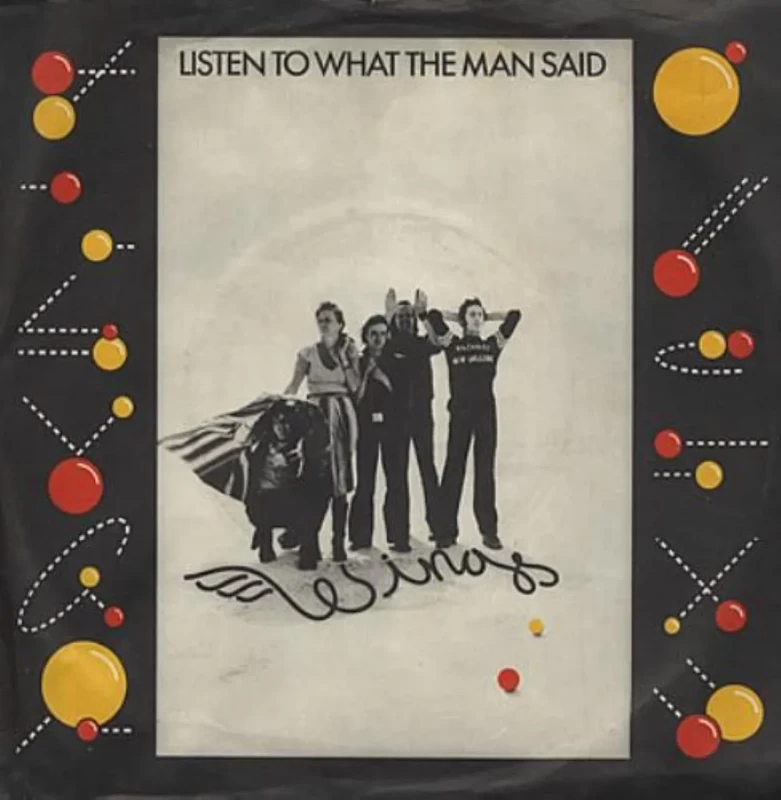
Venus and Mars has its moments. It’s not my favorite Wings project, but “Listen to What the Man Said” is among my favorite Wings songs—and an exciting commercial follow-up to “Band on the Run.” I’d like to think that’s because Tom Scott’s soprano saxophone playing on this song is among the finest I’ve ever heard. Having Traffic’s Dave Mason lay down some guitar during recording doesn’t hurt, either. Is it yacht rock? Disco? Maybe both! It’s certainly among Paul McCartney’s most inviting and addictive singles, and it knocked “Love Will Keep Us Together” off its pedestal after Captain & Tennille’s debut single held the #1 spot for a month straight. “Listen to What the Man Said” utilizes everything that’s great about McCartney’s songcraft: it’s exceptionally made, dependably lovely, and accessible enough to sell millions. And that’s what it did, moving a million units and securing a place in the pantheon of pop genius.
5. The Staples Singers: “Let’s Do It Again”
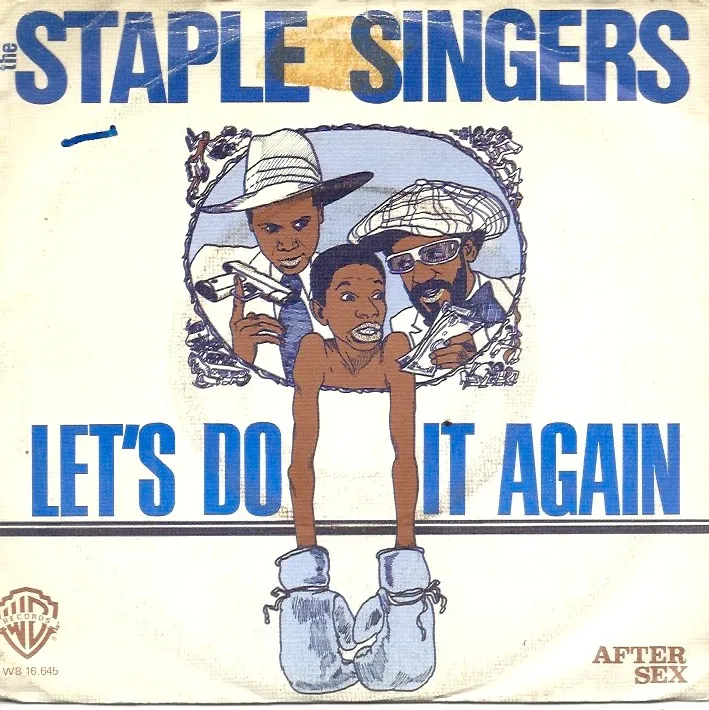
The final #1 hit of 1975 is also one of my very favorites. Curtis Mayfield wrote “Let’s Do It Again” for the Sidney Poitier-starring film of the same name, and the Staples Singers really spun it into something magical. It’s the only straight-up soul number on this list, and it’s exceptional! Mavis Staples, goddamn. That “sweet breeze in the summertime, feeling your sweet face all laid up next to mine” chorus is a movie itself, and “Pops” Staples adds some great, complimentary singing to Mavis’ lead. I don’t know if it’s Mayfield, Gary Thompson, or Phil Upchurch playing guitar on this song, but that riff is great. After helping welcome 1976 into view, “Let’s Do It Again” became a sampling favorite, landing in songs by Xscape, Ice Cube, John Legend, and BJ the Chicago Kid in the decades after.
4. Linda Ronstadt: “You’re No Good”
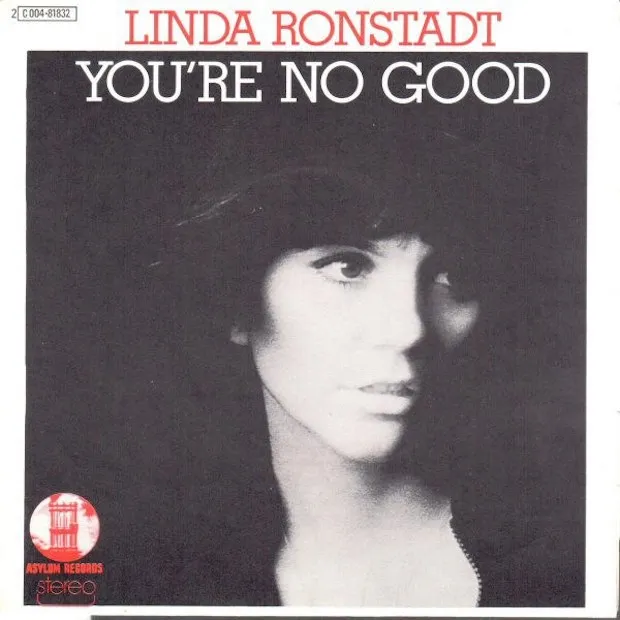
Heart Like a Wheel isn’t just one of the best albums from 1974, but a star-making release for Linda Ronstadt. While I think her cover of the Everly Brothers’ “When Will I Be Loved” is among the most important moments in the ‘70s country-pop era, “You’re No Good” is exactly the kind of breakthrough hit single she earned after touring with the Doors, Neil Young, and Jackson Browne. Ronstadt began performing “You’re No Good” as early as 1973 and even performed it on The Midnight Special in December of that year. When she got to the studio with Peter Asher to make Heart Like a Wheel, “You’re No Good” wasn’t even in contention for recording. Asher called Ronstadt’s last-minute suggestion to include it an “odd coincidence.” With Ed Black on guitar and pedal steel, Kenny Edwards on bass, Andrew Gold on drums, Asher on piano, and a string arrangement from the great Gregory Rose, “You’re No Good” emerged from the Sound Factory in Los Angeles as a perfect, soulful country classic and helped Heart Like a Wheel move a few million units. 50 years on and it hasn’t aged a day.
3. Eagles: “One of These Nights”
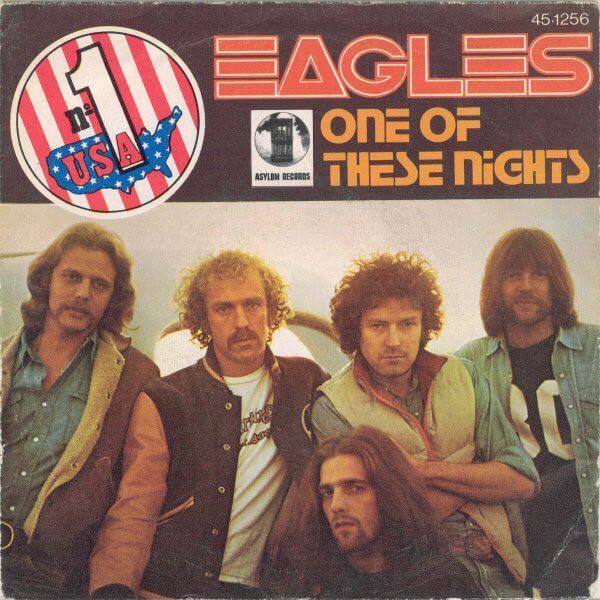
What happens when disco meets country music? You get “One of These Nights,” my favorite Eagles song and one of the coolest-sounding #1 hits of the 1970s. It was a catchy pivot from the Eagles usual country ballad style. Adding Don Felder to the mix certainly didn’t hurt the band’s chances at rocking out, and his guitar moves can be felt in every corner of “One of These Nights” and Don Henley and Glenn Frey’s search for the “daughter of the devil himself.” It was a true breakthrough for the Eagles, a song that deserved the rub that “Hotel California” would eventually get a year later. Is this the best song about procrastination ever written? I think so. Plus, the band harmonizing “loneliness will blind you” together is the sweetest of all their earworms.
2. LaBelle: “Lady Marmalade”
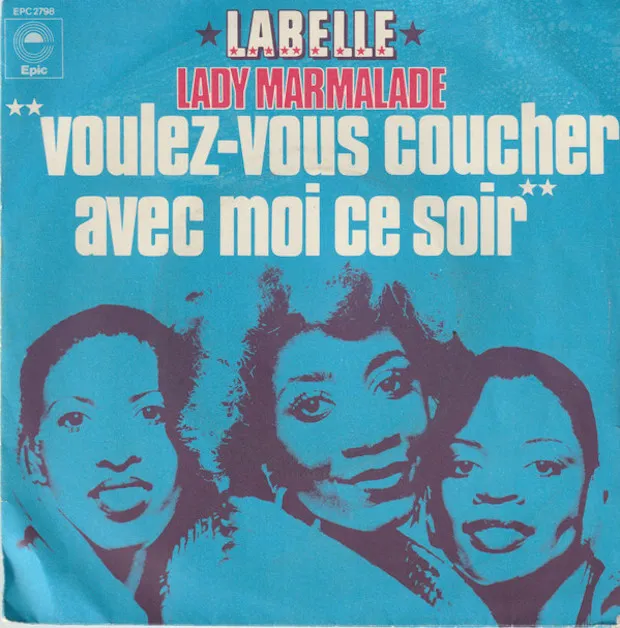
Now this is a tune. I’d like to thank Miss Patti Labelle personally for unseating that boring old Frankie Valli from the #1 position in March 1975. The French refrain of “Voulez-vous coucher avec moi, ce soir?” (“Do you want to sleep with me, tonight?”) is so dang sticky. It’s been in my head since the first time I heard it, because that’s history right there. Patti sounds perfect, as do Sarah Dash and Nona Hendryx behind her, but the real MVP of “Lady Marmalade” is its backing band, the greatest band of all time: The Meters. AHHH!! I hear this song and stand up. Allen Toussaint, thank you for your service. “Lady Marmalade” only topped the chart for one week, but it should have been 2,600. There’s more talent and groove in one second of this song than there is in (nearly) the rest of this list combined. Sorry to the others. Not really.
1. David Bowie: “Fame”
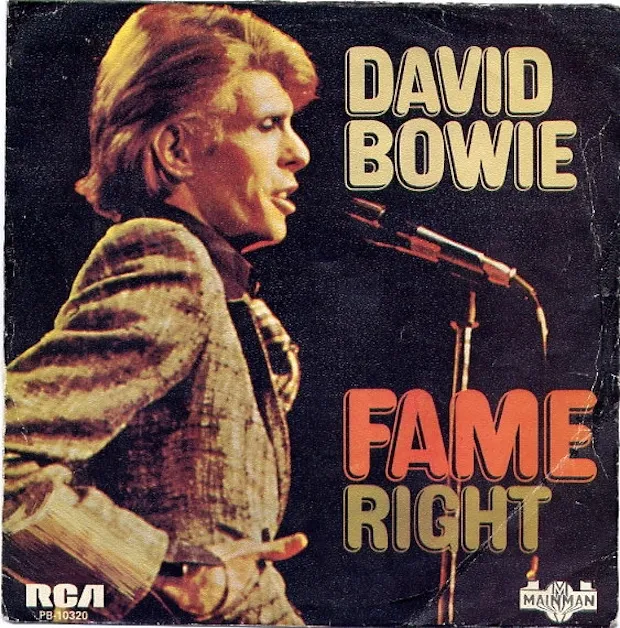
I am in the “Young Americans is one of David Bowie’s best albums” camp, and we’ve got room for a few more members, if you’re interested. It’s among Ziggy’s more interesting releases, if only because it abandons glam rock for a funk and blue-eyed soul template. Bowie put his whole pussy into “Fame,” a self-proclaimed “nasty, angry” song written in response to his falling out with manager Tony Defries had a falling out. He admitted to the lyrics being in response to MainMan, a company that financed a musical theater project (called Fame) centered around Bowie’s celebrity. Fame was a failure, and “Fame” did its spiteful bidding. Bowie went on record in 1990 calling the song his least favorite from Young Americans, but cynicism has some serious, addictive bite. Bowie co-wrote the tune with Carlos Alomar and John Lennon: Alomar’s guitar riff lends shape to the song, while Lennon’s idea for the hook—a “Stevie Wonder middle eight” done backwards—supplies the energy. “Fame” is a vapid, hostile lament against money-grabbers and success-hungry mouth-breathers. Not only has it become this colossal, necessary part of rock history but one of the gnarliest hit songs period.