SongWriter is a podcast that turns stories into songs, featuring Questlove, David Gilmour (Pink Floyd), Joyce Carol Oates, David Sedaris, Susan Orlean, and Steve Earle.
Filmmaker and director Silas Howard had a complicated relationship with his mother. In some ways Margo seemed more like a peer than a parent. In fact, Silas’s aunt often accidentally referred to her as his sister. When Silas was seven years-old, Margo left a note saying that she went to Montreal for the weekend—he didn’t see her again for three years.
“When I was making a movie in Capetown we went on a safari, and they were teaching us about zebras and giraffes,” Silas recalls. “Zebras are amazing parents, and they’ll adopt the giraffe babies because giraffes are terrible parents. And I was like, ‘I think I had giraffe parents.’”
Margo struggled with addiction through most of her life. A few years ago she finally achieved active recovery, but soon after she was diagnosed with dementia. While this was a painful and difficult time, these years also gave Margo and Silas an opportunity to reconnect. Silas remembers this time as difficult, but beautiful.
“A few days before Margo died, she looked up at me and smiled, and said, ‘I love you; I’m sorry,’” Silas recounts. “I half think I made it up, but thankfully my wife was there to witness.”
Dr. Fayron Epps is a researcher on caregiving, and focuses especially on people experiencing dementia. She says caregivers often face challenges reconciling present needs against past harms. Though it can be hard to do, Dr. Epps thinks it is important to acknowledge past pain.
“I encourage caregivers to reflect,” Dr. Epps says. “And when you reflect you’re going to start remembering some things that you have buried, but you have to be able to address that. Especially with those living with dementia, they need you to be present—they can pick up your feelings.”
Dr. Epps also says that there needs to be more support for caregivers, in society and in our health care system.
“When I go out and I speak, I always want to make sure that the caregivers that are in the audience know that we see them, we hear them, and we’re here to support them” Dr. Epps says.
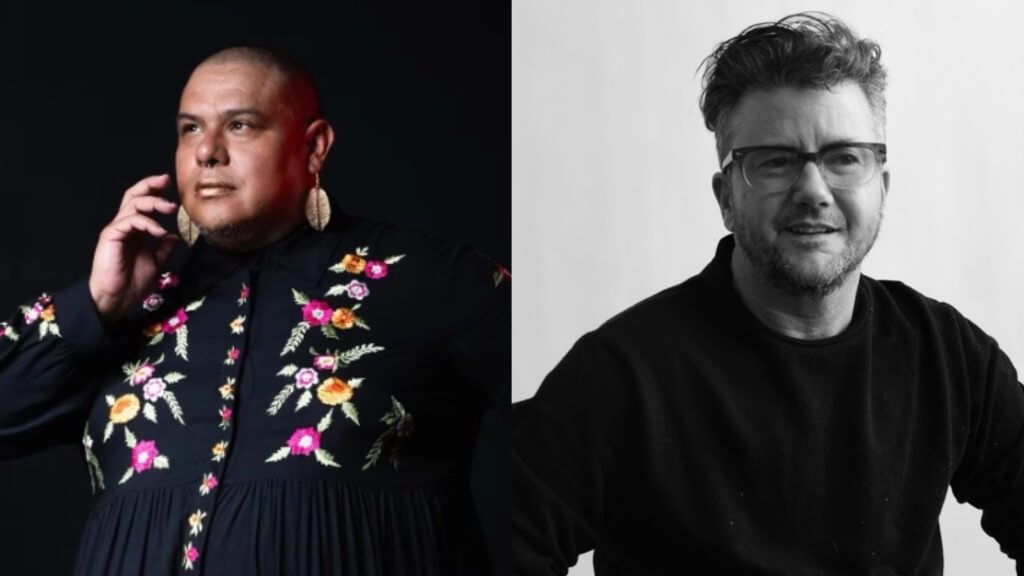
Songwriter and performer Dorian Wood met Silas many years ago, but they had never had an opportunity to collaborate before this.
“I don’t think we’d ever been able to have a really deep conversation, and I was just so thrilled,” Dorian says. “I immediately felt very comfortable with Silas. I think he’s extremely, extremely talented.”
In writing her song, Dorian was drawn to a part of Silas’s story about how memories can shift and change over time. Dorian rejects what she calls “chrono-normativity,” arguing that humans are time travelers.
“We can time travel; we do all the time,” Dorian says. “If we need a certain moment to feed us in the now, we go back to it. If someone at one point who is no longer with us said ‘I will always be there for you, I will always love you,’ we can travel back in time to remember that.”
Season seven of SongWriter is made possible by a grant from Templeton World Charity Foundation.