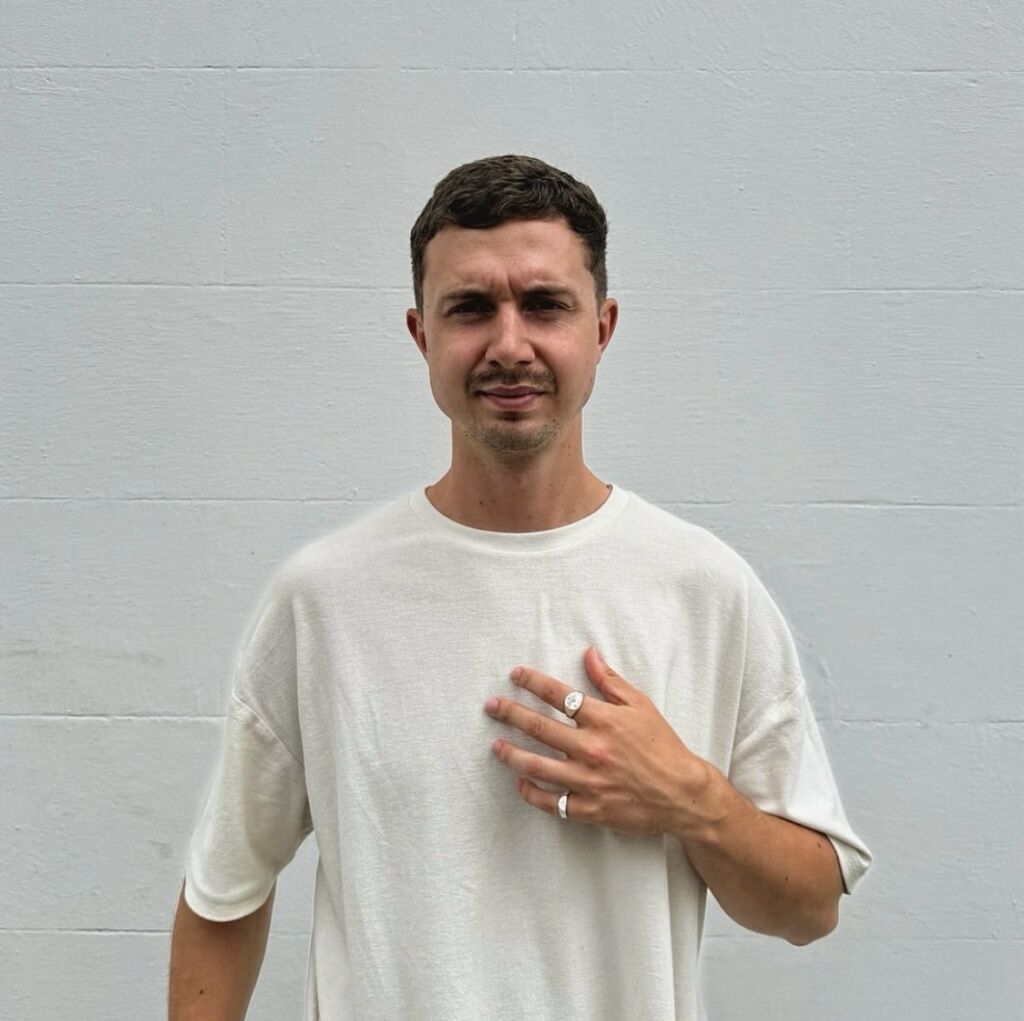
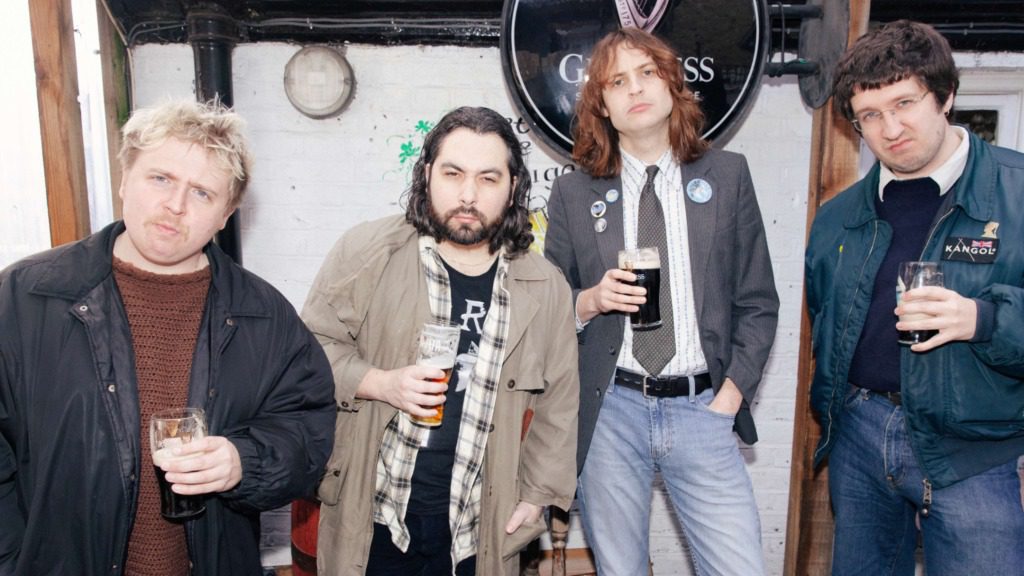
In the world of indie rock, few frontmen are as adept at crafting a narrative—or dismantling one—as Owen Williams. With the release of Hard Life, the third album from his project The Tubs, Williams continues his tradition of raw, self-lacerating songwriting. Following the success of his 2023 debut Dead Meat and the deeply personal Cotton Crown, which navigated the grief surrounding his mother’s suicide, Williams finds himself in a new phase of artistic interrogation. Hard Life serves as a direct response to the persona he established on his previous record, challenging the listener—and himself—to question the validity of the “tortured artist” trope.
The Intersection of Fiction and Autobiography
Williams has long been known for his penchant for myth-making, often inventing elaborate backstories for his bands, such as the claim that his former group, Joanna Gruesome, formed in an anger management class. While these tales are purely for sport, his songwriting remains grounded in a stark, often uncomfortable reality. On Hard Life, Williams employs a technique of splitting his perspective into two opposing personas: the self-loathing, miserable fiend and the judgmental, stoic observer. By placing these caricatures in dialogue, he explores the complexities of mourning, responsibility, and the ritualistic nature of OCD.
This approach allows Williams to hide his true perspective while simultaneously exploiting the listener’s assumption that his work is purely autobiographical. “I’ve learned from writing fiction that you can basically create versions of yourself that you can use to heavily commit to—and even exaggerate—certain emotions,” Williams explains. This method provides a necessary distance, allowing him to navigate heavy themes without becoming trapped by them.
A New Sonic Landscape
Musically, Hard Life represents a shift toward a more lush, virtuosic sound. The inclusion of fiddle, played by Chris Haigh, adds a layer of folk-inspired texture that complements the band’s signature jangle-pop and post-punk influences. Despite the cleaner production, Williams remains committed to maintaining the raw, scrappy energy that defined his earlier work. He balances these elements by ensuring that the music acts as a counterpoint to the lyrics—using lush, emotional chords to undercut the cynicism of his words.
“I think that’s what people seem to respond to with The Tubs—the melodies and chords tend to be quite melodic and emotional, but the lyrics are often a bit unpalatable,” says Williams. This tension is central to the band’s appeal, creating a listening experience that is as intellectually stimulating as it is sonically satisfying.
The Process of Endless Self-Correction
For Williams, the act of creating music is inextricably linked to his experience with OCD. He describes a constant, nagging need to “purify” himself through confession, which often manifests as a drive to reveal his darkest thoughts. This cycle of self-correction—where he presents a version of himself, feels the need to “fix” it, and then moves on to the next iteration—is the driving force behind his creative output. He views Hard Life as a “hatchet job” on the version of himself that existed during the Cotton Crown era, a process he expects to continue with future records.
Ultimately, Hard Life is a testament to Williams’ growth as an artist. By refusing to settle into a single narrative and constantly challenging his own impulses, he has crafted an album that is both a reflection of his past and a bold step into the future. As he continues to refine his craft, one thing remains clear: Owen Williams is not interested in perfection, but in the honest, messy, and endlessly fascinating process of becoming.