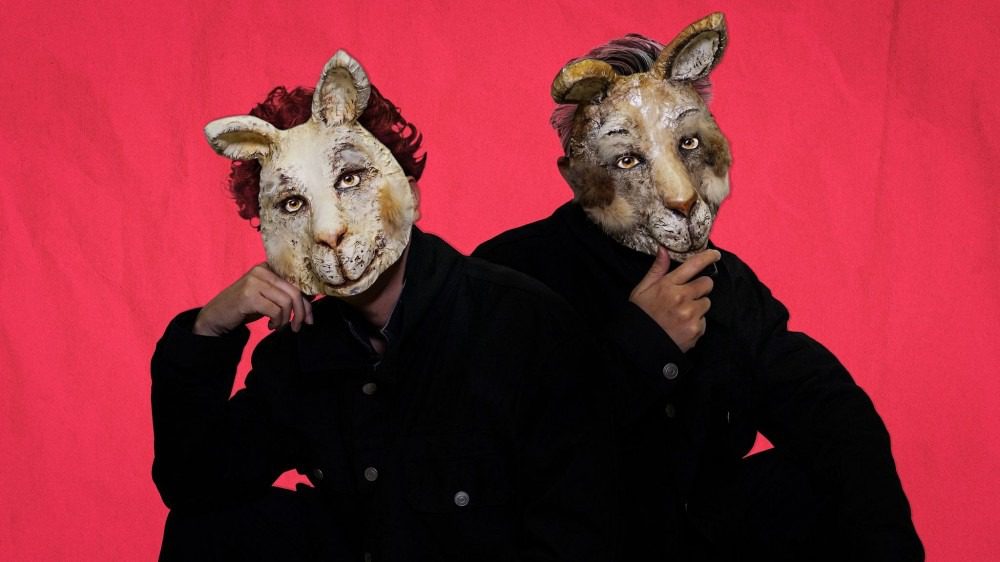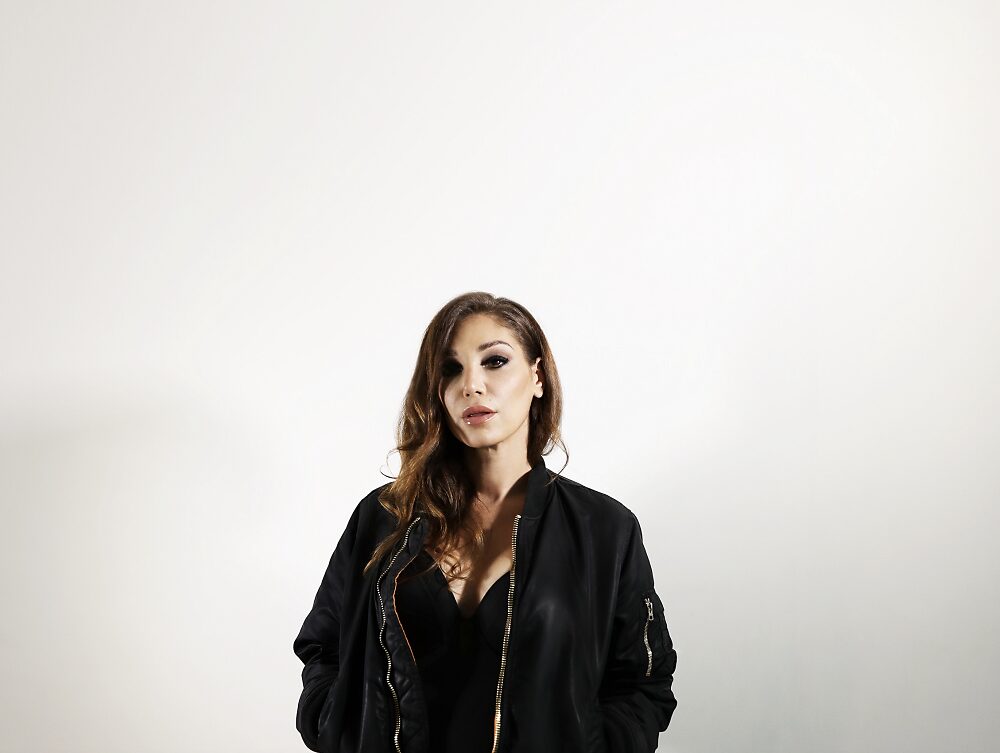

The digital music landscape has been rocked by the revelation that the elusive, Gen Z-coded artist Betty Hammerschlag is, in reality, a middle-aged man. Often compared to indie darlings like Grouper and frequently featured on NTS, the persona was meticulously crafted by German musician Tilman Hornig, who successfully convinced the internet that he was a young woman navigating the modern indie scene.
The elaborate ruse was exposed in a recent newsletter by First Floor, which detailed how Hornig operated under the pseudonym for years. Shawn Reynaldo, the author of the exposé, spoke with Hajj, the founder of the French label Dawn Records, who admitted to being aware of the deception. According to Hajj, he had reached out to Hornig to contribute to a compilation, only to discover the track was credited to the mysterious Hammerschlag. When questioned, Hornig reportedly dismissed the inquiry with a casual, “new year new name lol.”
The Mechanics of the Deception
The project relied heavily on a curated, Zoomer-coded aesthetic. Hornig adopted the specific vernacular and online mannerisms of young women, maintaining a feminine social media presence that felt authentic to his target audience. The ruse extended beyond digital interactions; when performance offers began to arrive, Hornig reportedly hired a woman to pose as Hammerschlag for live shows and promotional photography.
Tim Dalzell, founder of the label blush, which released the album fake girl, expressed his frustration after learning the truth. “The whole time we worked together he messaged me in the style and dialect of a young girl, creating elaborate lies to cover his tracks,” Dalzell stated. He noted that he only discovered the artist’s true identity earlier this year, leading him to cease all distribution of the music. “For the record I think using a fem alias/disguise to give clout to your music is pathetic. Would never have been involved in it if I knew the deal.”
A Reality-Shaking Discovery
The deception began to unravel when industry peers attempted to book the artist for live performances. Fellow German musician tibslc, who had reached out to book a show in 2025, was told that Hammerschlag was too busy studying for exams to perform. Upon learning the truth, tibslc described the experience as a “shock,” noting, “I felt like I was played, especially because of the private chat.”
Other industry figures, including STROOM founder Ziggy Devriendt, grew suspicious when they finally encountered the woman hired to portray Hammerschlag in person. It became immediately apparent that the individual on stage did not align with the persona established online. Despite the exposure, the project continues to move forward, with a new album, Psycho Summer, still scheduled for release on September 15. Paste has reached out to representatives for comment, but the incident remains a stark reminder of the ease with which online identities can be fabricated in the modern music industry.