
A Journey Through the 90s
Melissa Auf der Maur’s entry into the music industry was nothing short of a whirlwind. Her first performance with Hole at the 1994 Reading Festival occurred under the most harrowing of circumstances—just months after the tragic deaths of Kurt Cobain and original bassist Kristen Pfaff. Recruited at the recommendation of Billy Corgan, Auf der Maur was thrust into the center of a global media storm, tasked with mastering a setlist for a band that was defining the 90s alternative rock zeitgeist.
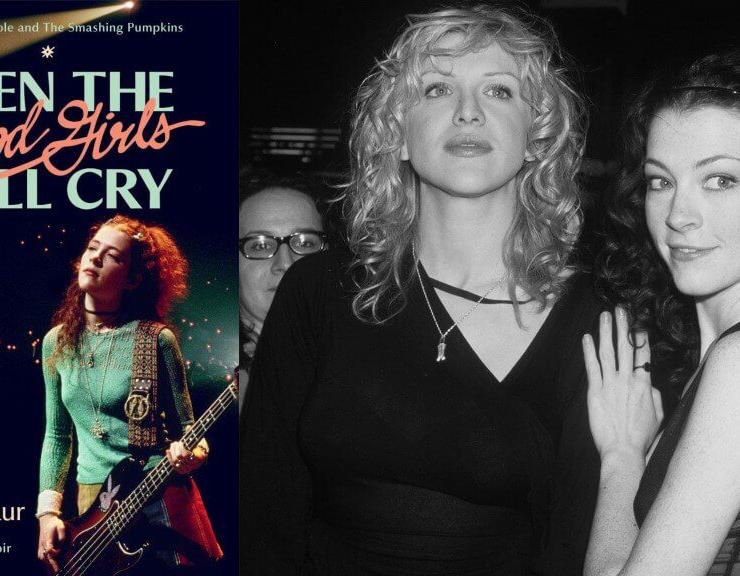
In her new memoir, Even the Good Girls Will Cry, Auf der Maur unpacks this pivotal decade. Rather than a standard rock-and-roll tell-all, the book serves as a thoughtful examination of her evolution from a young musician in Montreal to a key figure in both Hole and the Smashing Pumpkins. It is a narrative that balances the intensity of fame with the quiet, reflective nature of a documentarian.
Reframing the Narrative
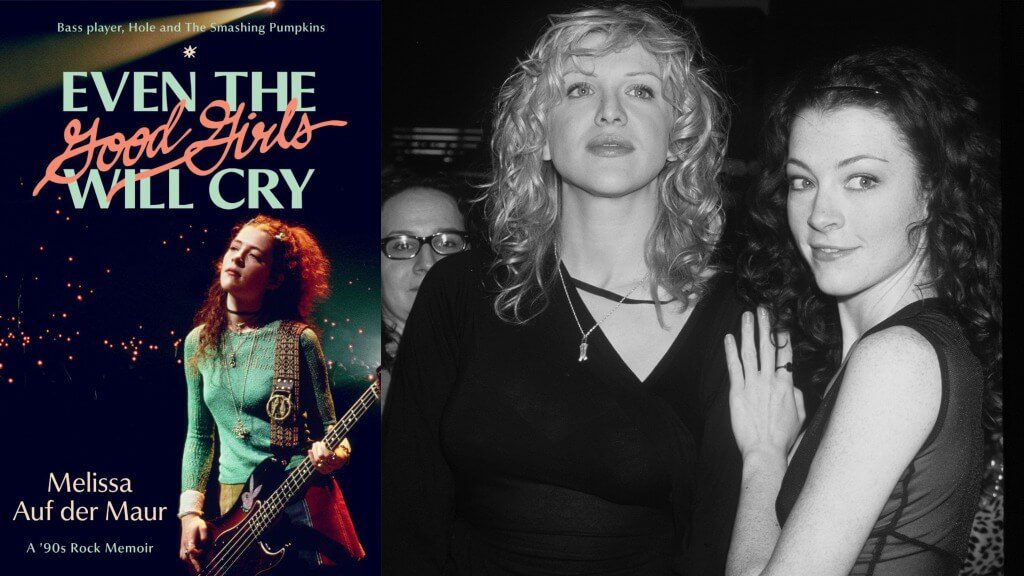
A central goal of the memoir is to reframe the public perception of Courtney Love. Having witnessed the misogynistic scrutiny Love faced during the height of her career, Auf der Maur uses her unique perspective as a “credible witness” to offer a more nuanced portrait of the frontwoman. By including personal letters and diary entries, she highlights Love’s intelligence and depth, challenging the tabloid caricatures that dominated the era.
“I knew that in my book, one of the top commitments I had was to reframe Courtney from a credible witness’ position,” Auf der Maur explains. “She shows how fucking smart and cool she is. I treat the reader to her own wisdom at the time when I feel like that is proof that this woman is far more intelligent and generous than the world would imagine.”
The Case for Analog Living
Beyond the music, the memoir is a manifesto for the importance of analog living. Auf der Maur, who has spent years as a photographer and archivist, views the current digital landscape with caution. She argues that the constant mediation of our lives through screens threatens the very human connections that art is meant to foster.
“I do want to be a credible voice of an analog way of living,” she says. “We are spiritual creatures in a physical body. When it comes to sacred things like love and music, try the analog way. It’s probably the more powerful way, or you might get lost along the way.”
Looking Toward the Future
While fans often speculate about a potential Hole reunion, Auf der Maur remains philosophical about the prospect. She notes that her relationships with both Love and Corgan have evolved into a supportive, middle-life friendship that transcends the logistics of a band. Whether or not they ever share a stage again, she views their shared history as a vital part of her own growth.
Ultimately, Even the Good Girls Will Cry is an act of personal digestion—a way to process the pain and the power of her past. By documenting her journey, she hopes to provide a roadmap for others to trust their own inner values, even when the world feels like it is spinning out of control.