The “punk beat” is a staple of the genre, a fast, galloping rhythm that has propelled countless tracks from the early days of hardcore to modern arena-fillers. While its origins are often debated, the beat is defined by an offset kick drum—specifically, a kick that lands on the “a” of a 1-e-and-a count—creating a signature shuffling, bouncing feel. Whether you first encountered it through Tony Hawk’s Pro Skater or the latest records from bands like Turnstile, this hyperactive rhythm remains a cornerstone of punk music.
Defining the Gallop
For many, the punk beat is synonymous with speed. It is frequently compared to the gait of a bolting horse, leading to its common moniker: the “gallop beat.” While some purists conflate it with the D-beat—a style pioneered by British bands like Discharge—the punk beat typically utilizes the hi-hat and often incorporates double-kick variations that distinguish it from the more rigid D-beat structure. As drummer Jono Diener notes, the beat is essentially a tool for high-energy propulsion, allowing bands to push the tempo while maintaining a distinct, driving groove.
A Legacy of Evolution
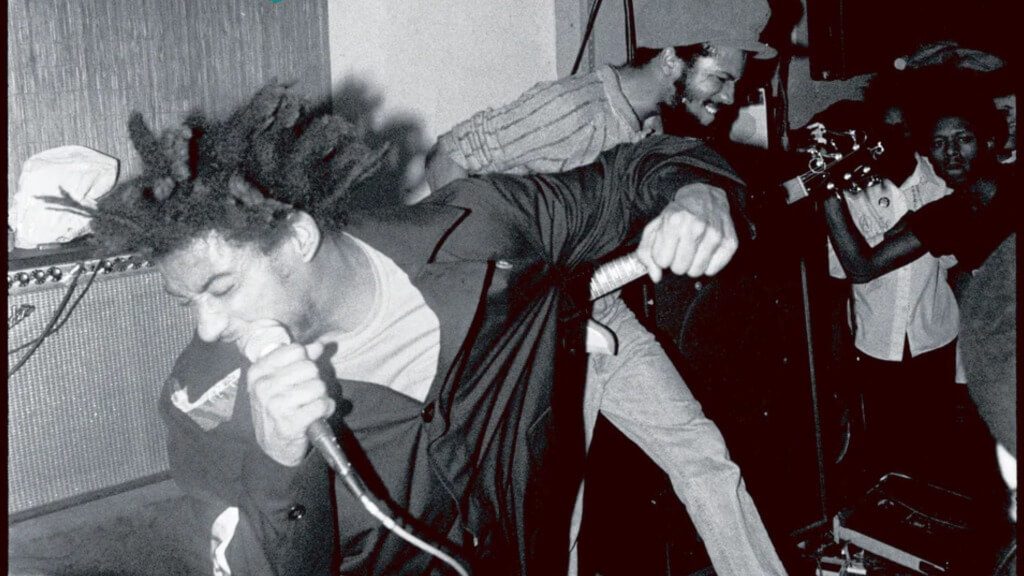
The history of the beat is as messy as the subculture itself. While Discharge is often credited with the D-beat, bands like Bad Brains were already utilizing similar rhythmic patterns in the United States by 1980. Throughout the 1980s and 90s, the beat evolved regionally. East Coast hardcore bands often favored a punchier, more aggressive approach, while West Coast groups leaned into a more mechanical, precise execution. This evolution continued through the ska-punk explosion of the late 80s and the pop-punk dominance of the 90s, with bands like NOFX and Operation Ivy refining the technique.
The Modern Renaissance
Today, the punk beat is experiencing a resurgence. While it was once considered a potential barrier to mainstream success, contemporary acts like Turnstile and Jeff Rosenstock have successfully integrated the rhythm into their critically acclaimed work. By blending the raw energy of the past with modern production sensibilities, these artists have proven that the punk beat is not just a relic of the past, but a vital, living component of the genre’s future. As we continue to explore the boundaries of punk, one thing is certain: we will be galloping there.