On Monday, we unveiled our AOTY list, which was topped by the likes of Nourished by Time, CMAT, billy woods, Cameron Winter and his band Geese, Sudan Archives, and Perfume Genius. You’ll find those names again in this list, plus a few dozen new ones. Keeping up with our recent year-end trend, we’re doing 100 entries for our SOTY ranking. We could have chosen 500, since the 2025 playlist of our favorite songs is now over 24 hours long. This list combines picks from our weekly best songs column, contributor submissions, and staff picks. I really love the way this thing came together, and I hope you won’t yell at us too bad in the comments for what we picked or what we didn’t. Cheers to another great year of music, and here’s to 2026 being even greater! Our picks for the 100 best songs of 2025 are below. —Matt Mitchell, Editor
Contributors: Matt Mitchell, Casey Epstein-Gross, Grant Sharples, Elise Soutar, Benny Sun, Andrew Ha, Sam Rosenberg, Cassidy Sollazzo, Devon Chodzin, Tatiana Tenreyro, Jeff Yerger, Anna Pichler, Gavyn Green, Alli Dempsey, Caroline Nieto
100. caroline: “Total euphoria”
On first listen, “total euphoria” sounds like the product of eight people playing completely out of sync with one another. The drums enter and exit the mix of their own accord; the guitars speed up and slow down like cars merging on the highway; violins flit and flick like a hummingbird’s blurred wings. But on repeat listens, you can glean the tacit understanding that courses through caroline. The UK post-rock octet are so dialed in, so attuned to the intuitive frequencies emanating from the music that they can split apart just as easily as they gel back together like some sort of cyclical, infinite mitosis. The end result is total euphoria. —Grant Sharples
99. DEBBY FRIDAY: “1/17”
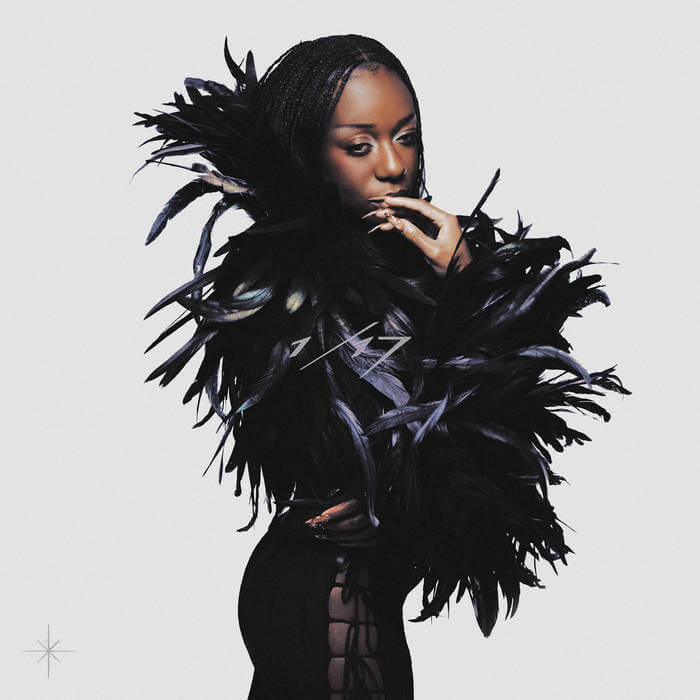
Last time we heard from Canada’s DEBBY FRIDAY, she hinted at a softer side while showcasing her club-ready punk and industrial signatures. It worked exceedingly well for her, landing her a spot in our Best Debut Albums list in 2023 and a Polaris Prize. Her follow-up, The Starrr of the Queen of Life sands down some of those edges, prioritizing the restorative possibilities of electro-pop, while leaving FRIDAY plenty of room to showcase her infectious bravado. “1/17” is a trance pop journey, one where her vocals soar while she repeats “I swear you’re a sign” over glistening, skittering synths that grow and grow until they erupt with the drums into a proper dance break. Before then, FRIDAY locks in: “Poetry and nude selfies / Love the way that you know me / Touch the back of my right knee / Tongue you down just like Delphi,” then “Skin to skin with no buffer / Write your name on my bumper / Call you ‘babe’ and ‘my lover’ / Kiss you hard in the summer.” It’s erotic, but beyond that, “1/17” glows with the kind of passion one feels when everything lines up just right. —Devon Chodzin
98. Maria Somerville: “Garden”
The best dream pop feels like it’s being transmitted from another plane of existence, like you’re hearing a secret as intimate and unknowable as life’s greatest metaphysical mysteries. That’s how it feels to listen to “Garden,” a standout from Maria Somerville’s second album, Luster. Here, the Irish musician chronicles the nonlinear passage of time, not mapping it out from one point to another so much as encapsulating its murky totality. “I’ve seen it all,” she sings, her voice weightless yet no less affecting, as if her newfound knowledge has lifted her into elysium. On both a temporal and tonal level, “Garden” is a wondrous dispatch from another universe. —Grant Sharples
97. PinkPantheress ft. Zara Larsson: “Stateside”
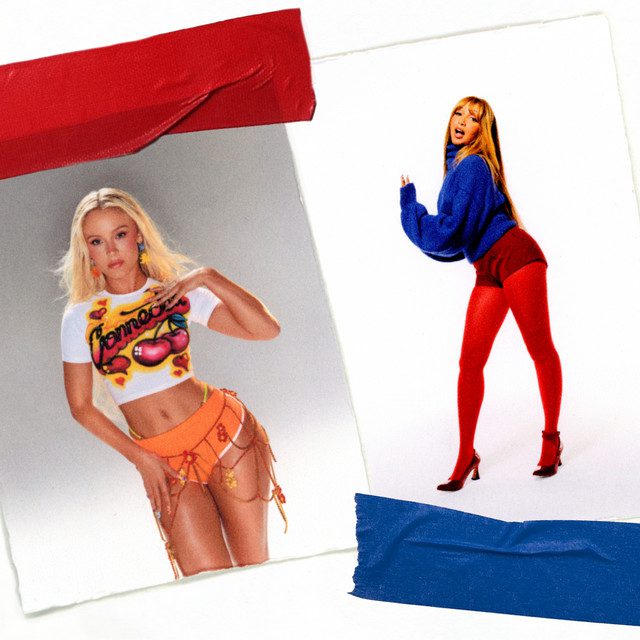
I’ve been loving what the pop girlies are doing with their deluxes this year. In the spirit of Charli XCX, PinkPantheress released Fancy Some More?, the deluxe edition of her Fancy That mixtape, which basically triples the tracklist with remixed and featured versions of each song. When it was announced that the standout single “Stateside” would be getting renditions featuring both Zara Larsson and Kylie Minogue, the world held its breath to see whether Larsson would usurp the old pop guard. And folks, the Swedish pop princess did it. Her version of “Stateside” has become the definitive one, easily one of the hardest-hitting across the 31-song tracklist. The collab comes at the perfect time for both Larsson and PinkPantheress, as each musician steps into their pop-stardom moment—each with some of the most distinct and realized creative visions out there (Larsson’s 2000s Lisa Frank neon haze; Pink’s plaid-clad, Y2K-preppy chic), and each scoring noms in the Best Dance Pop Recording Grammy category this year. The original “Stateside” beat is blown out to headphone-shattering levels in Larsson’s care, adding an overt strutworthiness to the mix. And Larsson’s verse has become nothing short of a vocal stim for me; every line rolls off the tongue in the most satisfying way. “Boots, that’s my ego boost!” C’mon now! Serotonin at its finest. Two pop stars on their supersonic rises coming together to maximize their joint stardom… What more could you need? —Cassidy Sollazzo
96. Neko Case: “Destination”
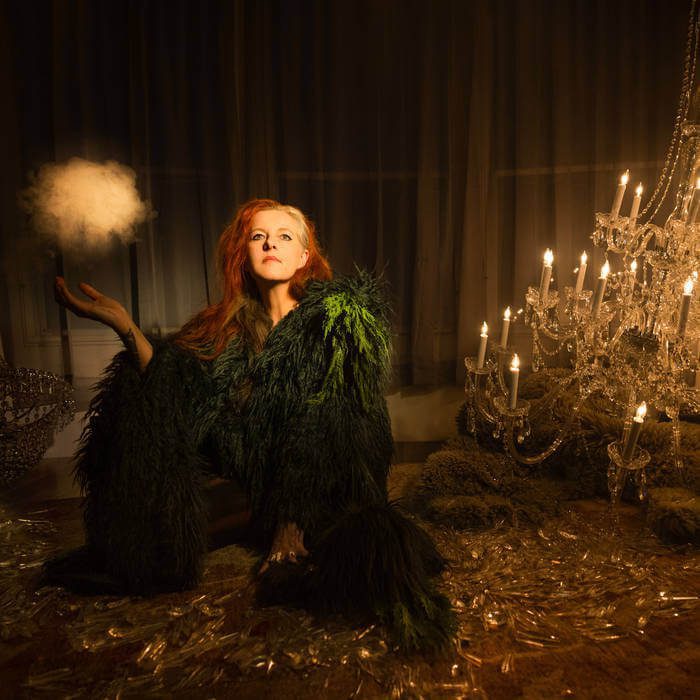
“Destination” has got to be one of the best album openers I’ve heard all year. It’s Neko Case at her most mythic and human at once—part invocation, part barroom monologue, sung through a cigarette haze and a halo of strings. The song starts like a mirage: soft piano shimmer, drums testing their footing, then that unmistakable voice cutting through with “Hello, stranger.” What follows is five and a half minutes of reverence and wreckage, Case holding court for the women and gender-nonconforming folks building their own altars from broken gear and bad gigs, living “in the gutter / Mingling with the slurry” and being always “more than a housewife, a has-been, or just somebody’s lover.” Lyrically, it demonstrates everything that makes her such a generational voice: the attention to detail, the bizarre poetics and tender mundanity, the one-liners that hit like sledgehammers. The band keeps everything lush but restless: strings blooming and collapsing, guitars smudging at the edges, drums flickering like headlights in fog. By the time she hits the last chorus—“Oh, I wanna live a real life / with blood and dirt and the subway for dessert”—it rises into anthemic catharsis, a full-throated yearning for the grime and guts of the kind of agency that forever feels just out of reach. —Casey Epstein-Gross
95. underscores: “Do It”
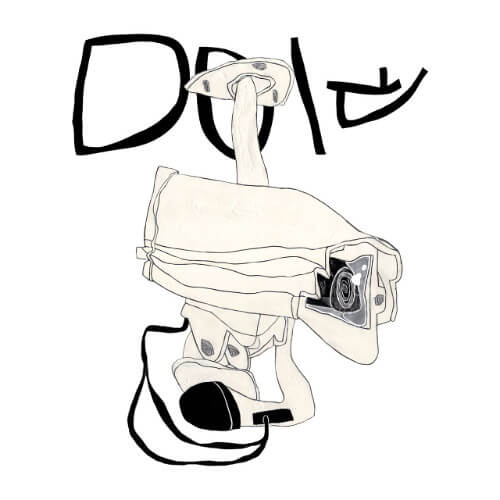
April Harper Grey’s songcraft is inexhaustible. Under the banner of underscores, Grey has made pop-punk songs, country songs, and post-rock songs, even dabbling in brostep and SoundCloud EDM. Her last album, Wallsocket, gets better with every listen, and its pedigree has put her in rooms with Oklou and Danny Brown. The newest underscores single, “Do It,” checks a different box completely, conjuring mid-aughts Justin Timberlake and the Philly Club underground while merging Pink Tape hyper-pop with Skrillex worship. The track is decorated with four-on-the-floor beats, choppy, rhythmic acoustic guitars, muscular synths, and R&B hooks; Grey is “married to the music,” singing about how her chosen vocation has made her love-life impossible to navigate: “I’m tryna run a business here, come on, babe.” Full of maximalist textures and big pop drama, “Do It” is an immediate, catchy, and passionate celebration. I just might bust out the wired earbuds and run it back. —Matt Mitchell
94. Daneshevskaya: “Kermit & Gyro”
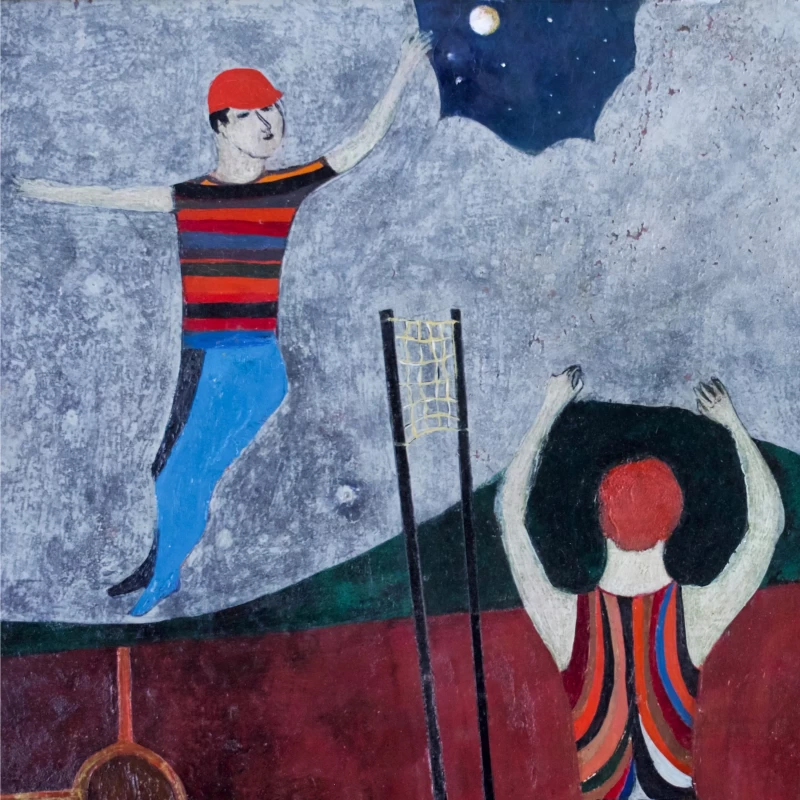
It’s rare to exist at the same time as an artist like Daneshevskaya, an artist so deeply astonishing that I am faithfully floored by her work every time she makes something new. Brooklyn’s music population is not lacking in originality or singer-songwriters, but Anna Beckerman may very well be the best one living there. I say that as a non-New Yorker, but I am undoubtedly correct. Daneshevskaya’s debut album, Long Is The Tunnel, remains in my constant rotation, and she one-upped herself last year with a one-off single called “Scrooge.” But again Daneshevskaya blessed us in 2025 with “Kermit & Gyro,” a lullaby dappled in the sun-treated symphonics of a breathless orchestra. The song may be a puzzle, but I promise that the pieces are easy to gather—Beckerman tenderly pairs her voice with a finger-picked guitar melody and a string section. There is a moment when she is singing, “At least I know we had a good time,” where her vocal coils into a falsetto emphasizing the “know” of it all. It’s just a beautiful thing, and I feel lucky visiting a song like “Kermit & Gyro”; a sentence like “of course I forget how to move in the sun” will remain within me. —Matt Mitchell
93. Earl Sweatshirt: “TOURMALINE”
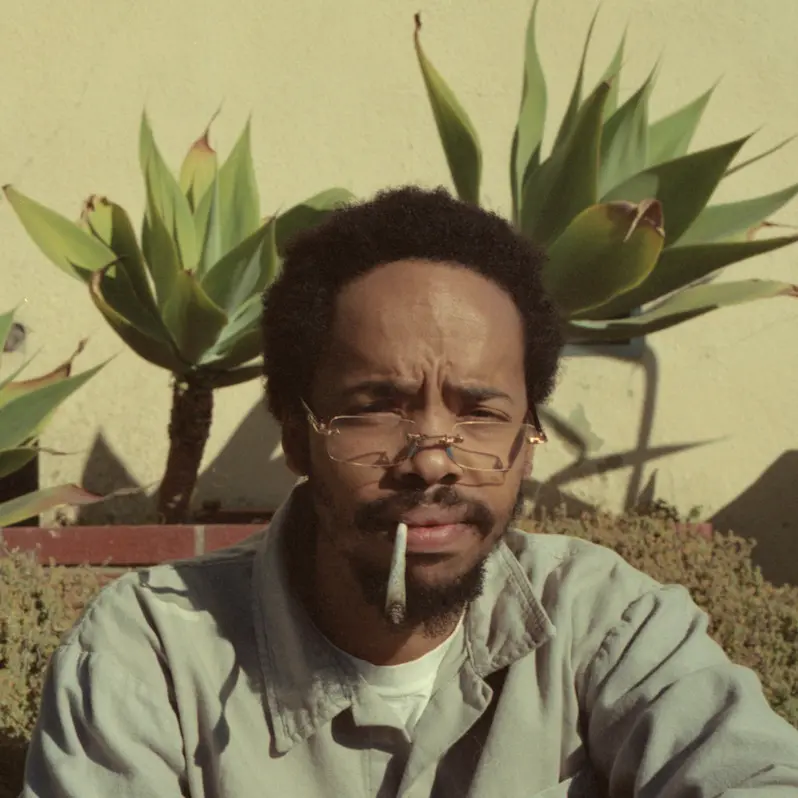
Live Laugh Love doesn’t present Earl Sweatshirt as a new man. He references his past, both the good and bad, but, as he looks back on older works, trials, and victories, there isn’t a sense of regret, but acceptance—even a twinge of gratitude in the acknowledgement that the fires he once faced led to the picket fence he now enjoys. “TOURMALINE” swings with the romance of a Sinatra classic, as Earl intertwines his long journey towards self-betterment with his unabashed love for his wife. He inhabits the technique that made the words of Gil Scott-Heron immortal, weaponizing dire circumstances, transforming them into little splotches of hope, and remaining unburdened by the powers that be. —Benny Sun
92. keiyaA: “take it”
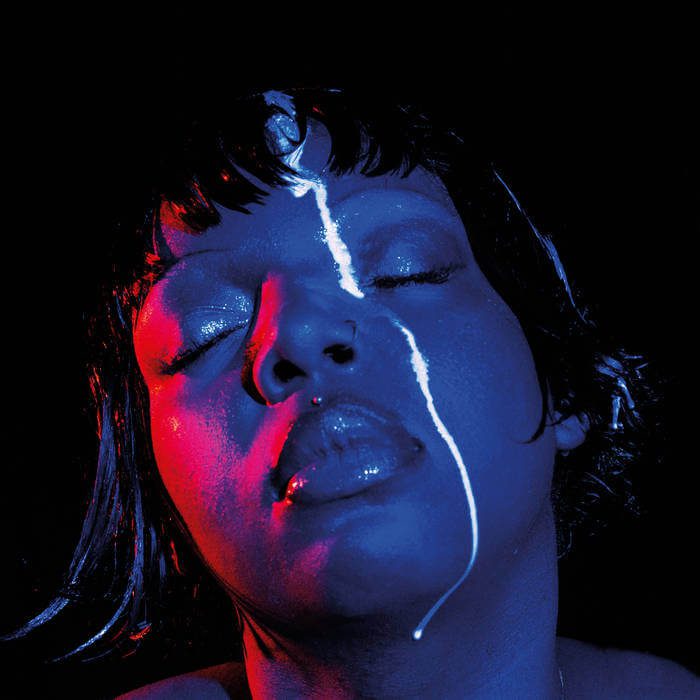
Released on Halloween, keiyaA’s hooke’s law is an “album about the journey of self love, from an angle that isn’t all affirmations and capitalistic self-care. It’s not a linear story with a moral at the end. It’s more of a cycle, a spiral.” Lead single “take it” blurs and shadows. After a mutated “bring that one back from the top” sample makes a slit in the curtain, keiyaA’s deconstructions come spilling out, in a blend of broken glass, jazz drumming, and organ. Harmonies feather into hers until the melody snares into fits of DnB while she repeats “take it” 42 times. Desire teems in a disembodied vocal. “Let me come without my mask,” it beckons. “Let me come, naked, dark. Let me come, let me lay beside you.” “take it” is richly adrift. —Matt Mitchell
91. Craig Finn: “Bethany”
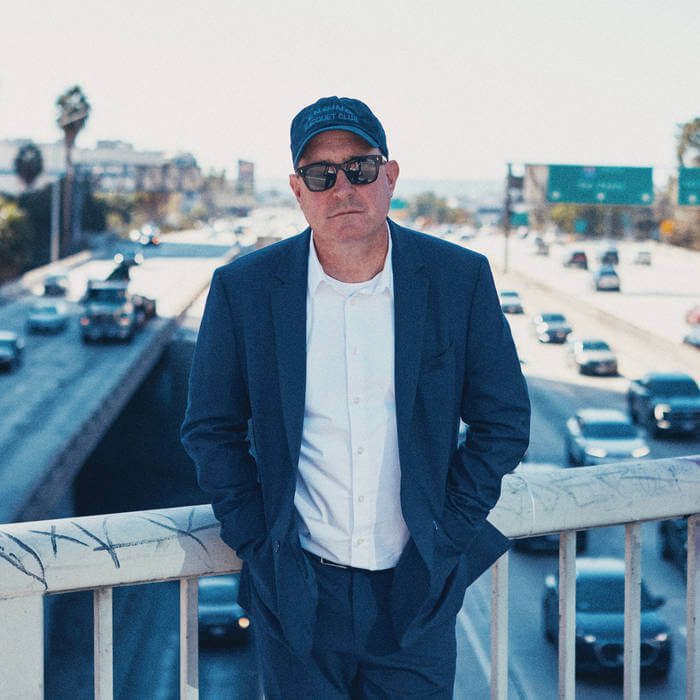
It’s been four years since the War on Drugs’ last album, but their presence looms large among today’s musical landscape. In-between touring with his main band, Drugs frontman Adam Granduciel has put on his producer cap for some of 2025’s best new music: Lucius, Sam Fender, and the Hold Steady’s Craig Finn. Always Been, Finn’s latest, was not only produced by Granduciel, but he and most of his War on Drugs compadres play on the whole thing. While it scratches that itch that’s been getting louder for War on Drugs fans as they await new music, Always Been also provides an intriguing new vessel for Finn’s narrative songwriting. “Bethany” was the first song he brought to Granduciel. It’s a door-opener—a tale about a pastor whose heart wasn’t much in religion in the first place. He loses it all and tries to pick up the pieces of his life while living at his parents’ old house in Delaware. Like much of Finn’s work, he spins a captivating narrative; this time, the War on Drugs provide his ideas a bed of dreamy Heartland rock before whirring the song to life when Granduciel lays down one of the best guitar solos of his entire career. “Bethany” may not be much of a spiritual guide, but a song this good is enough to turn you into a believer. —Jeff Yerger
90. Dove Ellis: “Love Is”
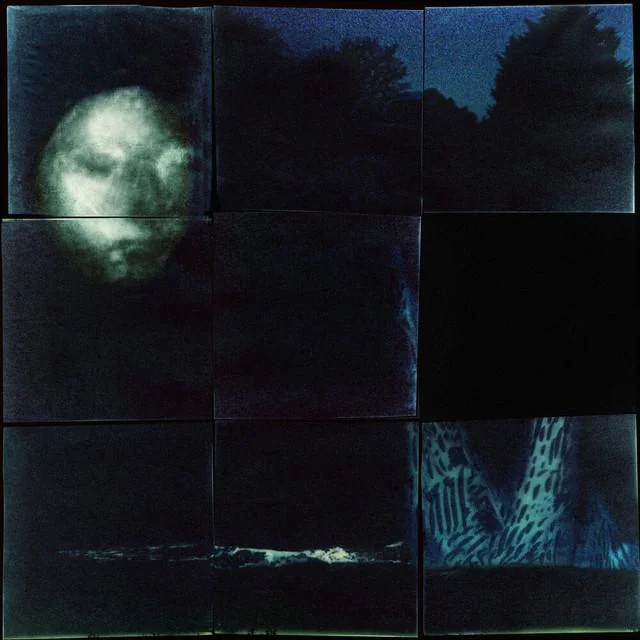
Dove Ellis released his first-ever single, like, three months ago—arriving with nothing but a co-sign from Geese and comparisons to Thom Yorke. Not a bad start, I’d say. I liked “To the Sandals” quite a lot, but I like “Love Is” even better. Inaugurated by a sparse piano melody, the song erupts into this wonderful, erratic flush of rock and roll. The drums sound like they’re being pounded on in the next room over, and Ellis’ voice vibrates nearly into a falsetto. But beneath all the fundamental stuff is this undertow of curdling distortion, attic noise, and skinny, bursting strings. None of it ever erupts, only the guitars and the phantom of Ellis’ refrain. This is pop music caught in the bardo. I think I’ll come back and visit “Love Is” again and again. —Matt Mitchell
89. MIKE: “Artist of the Century”
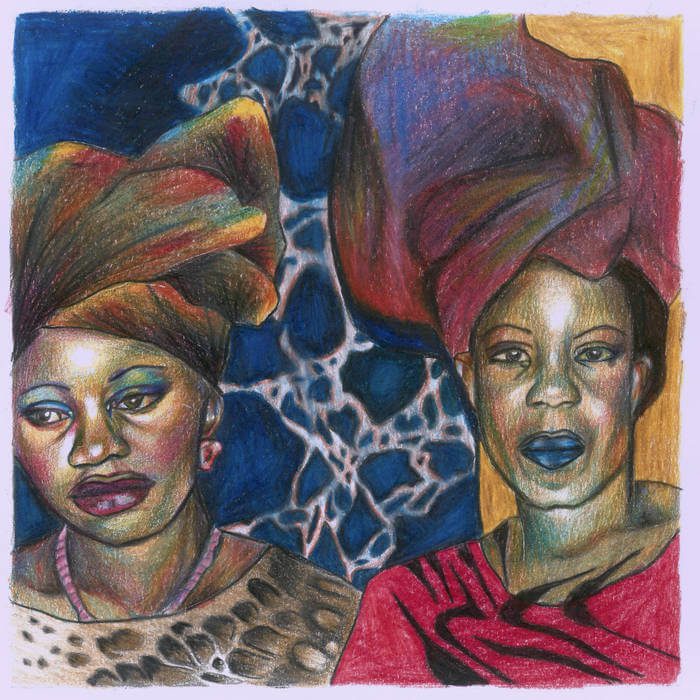
“Artist of the Century” isn’t so much an aggrandized claim or prophecy as it is MIKE’s mission statement—a daily reminder of why he undertakes his God-blessed hustle. The track itself is brief: a quick verse and hook last for 90 seconds, until an interlude detailing an anxious patient “attempting to treat condition by working on Sunday afternoons, in order to avoid confronting condition” begins. That brief minute or so, centered around a brilliant flute melody, is some of the most potent rap music I’ve heard this year. MIKE speaks on his grind, its diminished returns, and his gratitude nonetheless. Considering the unparalleled run he’s currently on, deeming him “Artist of the Century” might not be too far-fetched when it’s all said and done. —Benny Sun
88. Asher White: “Kratom Headache Girls Night”
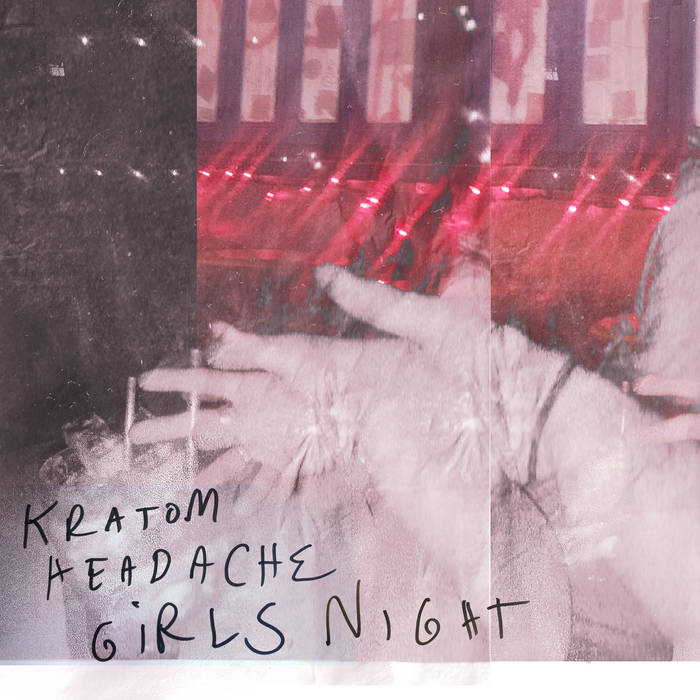
In the past year, I’ve gone from not having heard of Asher White to hearing her name everywhere. When an emerging artist puts out a critically acclaimed record like White’s Home Constellation Study and generates tons of buzz, you wonder whether they’ll be able to keep the momentum going with their new releases. Thankfully, White delivers with her single “Kratom Headache Girls Night.” It’s a bright, summery ode to friendship that instantly lifts your spirits. With the kaleidoscope of glockenspiel, digital mellotron, beads and rice shakers, and even samples of YouTube videos, White creates a genre-defying sound that sparks the perfect symphony. After listening, I found myself repeatedly returning to it, craving more. —Tatiana Tenreyro
87. Annahstasia: “Villain”
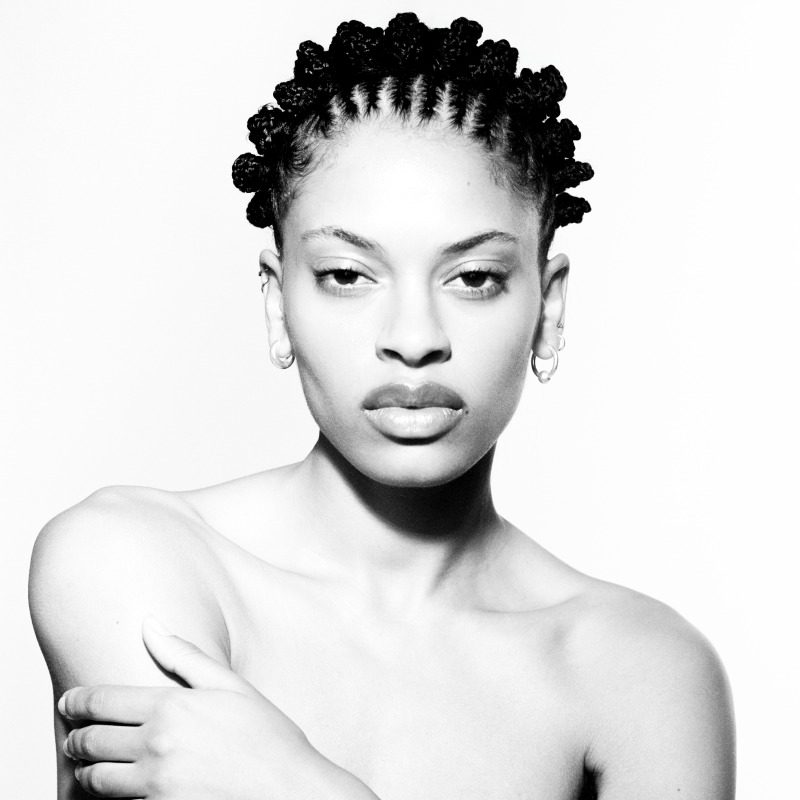
Everyone knows that the voice is an important musical instrument, but few singers personify that notion as powerfully as Annahstasia Enuke. “Villain” is a showcase for her mesmerizing vocal prowess. Her husky low-end is the star of the show. Over the course of the song’s four-and-a-half minutes, she builds on its foundation, opening up her airways like a filter, allowing more feeling to seep through as the gentle, finger-picked folk guitars yield to a wider sonic palette of gossamer keys, brushed drums, and luxe horns. “I hear your voice inside my head / Say that I’m the villain of the story,” she sings at the climax, repeating that second line with daring defiance until everything fades away. Whether Annahstasia is the villain of the story or not, she is undoubtedly its protagonist. —Grant Sharples
86. Florry: “Pretty Eyes Lorraine”
“Pretty Eyes Lorraine” begins with genealogy and ends in revelation—or perhaps vice versa, with Florry at their most raw, cracked, mythic, and personal. Over the band’s familiar lattice of fiddle, pedal steel, and sunburnt guitar, Francie Medosch sings with that delightfully rusted edge, channeling heartbreak through the lens of a lost homeland, existential yearning through the experience of discovering during your fourth year studying German that you’ve been Irish the whole time. The “Lorraine” at the song’s center is a person, place, and thing all at once—Alsace-Lorraine, or the personified dream of it, or maybe just a stray entry in a German textbook. What emerges is part-John Berger reverie, part-East Coast road song, part-late-night dig through the family tree (Medosch off-handedly drops some insane lore in the press release about being related to serial killer H.H. Holmes?? It’s honestly kind of a fierce sidebar). As with all the best Florry material, the beauty isn’t polished but jagged, lived-in—what you get when you raise your Aimee Mann records on a diet of truck stop tea, Philly basements, and the burgeoning Burlington indie scene. And all the while, Medosch’s voice remains the song’s beating heart, cracked and present, dragging every lyric across the gravel of a long and confusing personal mythology: “Ooh baby on our trip down the Rhine / You showed me that life’s all about how you ride.” —Casey Epstein-Gross
85. Tyler, The Creator ft. Madison McFerrin: “Don’t You Worry Baby”
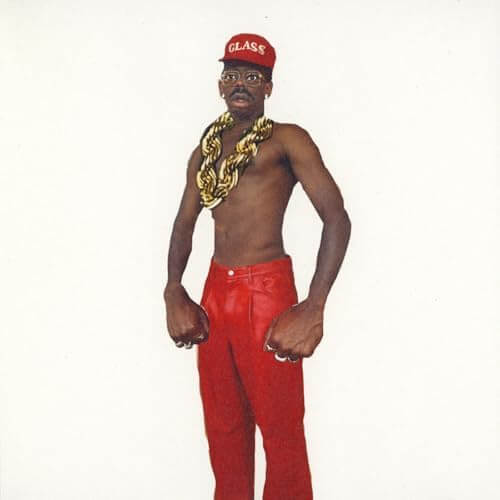
Don’t Tap the Glass may be Tyler, The Creator’s most unpredictable album since Flower Boy, but it arrived with some career-best flair—namely the Madison McFerrin-assisted “Don’t You Worry Baby.” The singer also nabbed a co-writer credit on the song, which features her soulful interplay where, in the past, Tyler would have pitch-shifted his own vocals. It’s one of the rapper’s more inventive collaborations, one that finds him relinquishing full control. It allows McFerrin to be the rightful star of the song, as her “I’ll give you the world before you fall asleep” line provides great contrast to Tyler’s repetition of “Damn, girl, you better move your hips.” In a statement about Don’t Tap the Glass, Tyler shared: “THIS ALBUM WAS NOT MADE FOR SITTING STILL, DANCING DRIVING RUNNING ANY TYPE OF MOVEMENT IS RECOMMENDED TO MAYBE UNDERSTAND THE SPIRIT OF IT. ONLY AT FULL VOLUME.” True to his intentions, “Don’t You Worry Baby” is a totally-‘80s prom breakdown injected with modern trap flavor and sex-on-a-stick swagger. As the man himself demands, “Let me rock, pop it, shake it.” —Matt Mitchell
84. Deafheaven: “Amethyst”
Like the best Deafheaven material, “Amethyst” waltzes and churns before erupting into fiery chaos by its end, when Shiv Mehra and Kerry McCoy drag and stack their guitars on top of a rumbling backline from Chris Johnson and Daniel Tracy. Sequenced as the centerpiece to the record, “Amethyst” thematically encapsulates everything about Lonely People With Power—from the artwork and video rollout on social media to the lyric, especially, as George Clarke’s narrator grapples with familial trauma much like he did on “The Pecan Tree” from Sunbather 12 years ago. On “The Pecan Tree,” Clarke lamented being unable to escape his father’s shadow: “I am my father’s son / I am no one / I cannot love / It’s in my blood.” “Amethyst” seems to directly speak to that line, as Clarke screams, “Wondering if I could ever wind up being him / He’s not me! He’s not me! / All this daydreaming without sympathy” before the song begins its descent into blown-out chaos. —Jeff Yerger
83. Djo: “Potion”
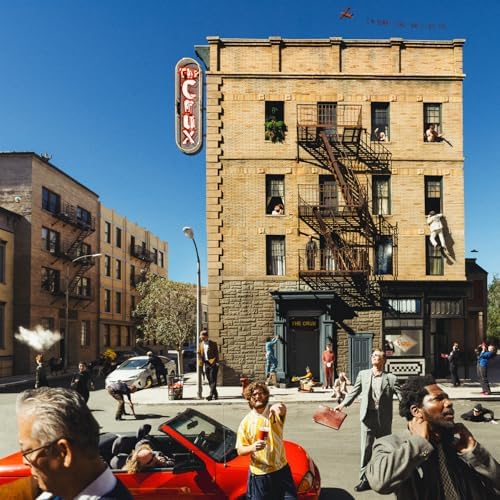
In the summer of 2024, Joe Keery showed up to Electric Lady Studios without any of his Djo bandmates, least of all his co-conspirator Adam Thein. No one was available, so he wrote, tracked, and mixed “Potion” by himself. There’s a real Abbey Road-era McCartney lushness spread across The Crux, but “Potion” is dense and high-vibrational, reveling in miniature symphonies and golden-oldie pop expanse. Keery once said the song is like “your favorite pair of blue jeans,” and his falsetto vocal is certainly cool like denim. But don’t mistake the sentimental side of “Potion” for some kind of Lindsey Buckingham hero worship. There’s a spark of ecclectism embedded in the finger-picking, when Keery’s minimalism makes a full-on Laurel Canyon folk-pop splash. Not too bad for an ex-pizza delivery guy. Let’s leave the light on for him. —Matt Mitchell
82. Jane Remover: “JRJRJR”
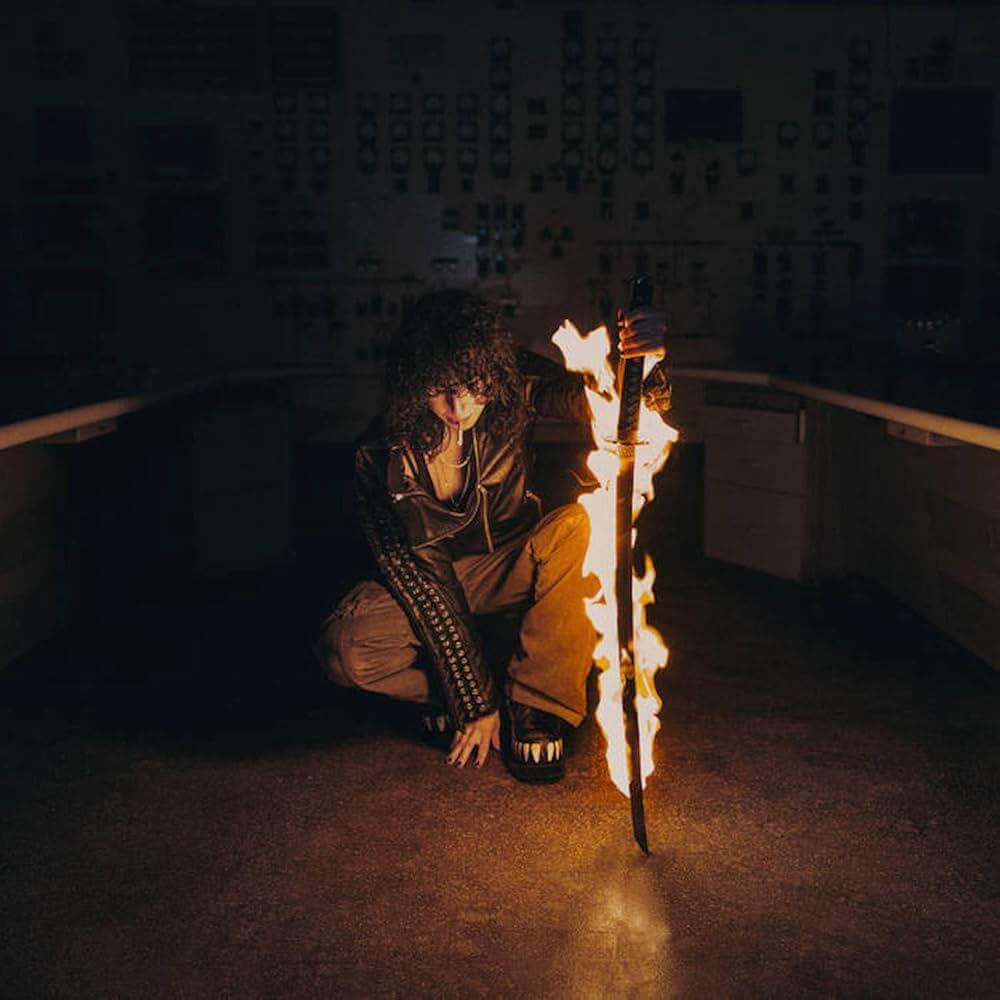
Jane Remover goes grandiose on their glorious reintroduction into the culture. It’s not like they’ve ever been forgotten since their teenage breakout on Frailty or through dariacore, the manic aughts mashup genre they pioneered. Jane ditched the slick pop-rap of “Magic I Want U” and “Flash in the Pan” for the explosive rage of “JRJRJR.” It takes a while to get used to the atonal low-end that blares throughout the entire track, but it quickly becomes addictive. The details get clearer from there: the precious plucking of a guitar; an occasional “J-” that halts the song to a stop; bombastic lines like “two white horses following me.” Once it all falls into place, “JRJRJR” blasts off like a sleek locomotive, unable to turn around to where it was before. The excess of fame is as intense as ever. —Benny Sun
81. Perfume Genius: “Full On”
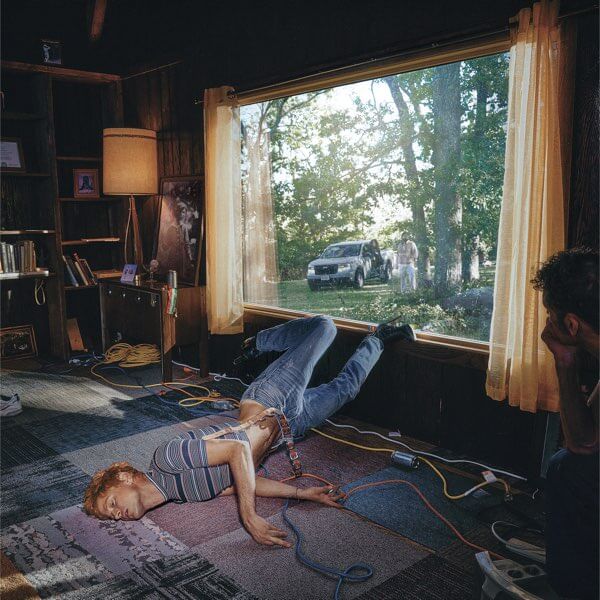
My favorite part of the new Perfume Genius album Glory happens in “Full On,” when Alan Wyffels’ flute part, while gently duetting with Blake Mills’ guitar, speaks in paragraphs without stepping up to the microphone. Mike Hadreas says the demo for “Full On” was “piano and gibberish,” but that making it felt “very magical and very arrival-y.” Kinetic and windswept, “Full On” is as messy and wounded as anything else on any Perfume Genius album that precedes it, as Hadreas’ narrator watches quarterbacks cry while an unmarked boy goes “limp as a veil, thrown in a cruel fashion.” And yet, the lifespan of queerness holds a particular beauty here; even in violence, a boy is “laid up on the grass and nodding like a violet.” Hedonism wanes in the glow of the living. —Matt Mitchell
80. clipping.: “Dodger”
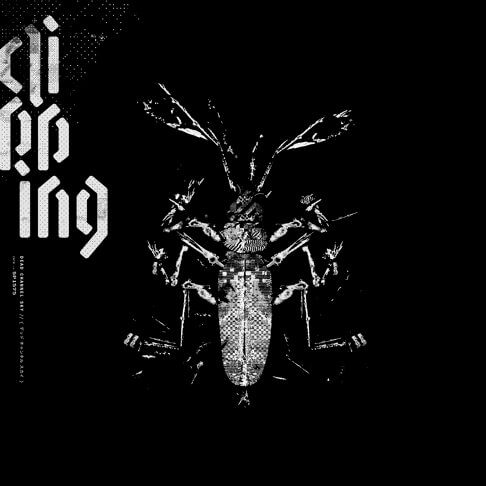
Listen to “Dodger” at your own risk; it is an unbelievably addictive track, one I’ve had on replay since Dead Channel Sky’s release all the way back in March. It’s four minutes of controlled detonation, hurtling forward at a faster and faster pace until Daveed Diggs’ flow hits terminal velocity, and suddenly you feel like you’re seven years old on an amusement park Gravitron that’s spinning so fast your face starts to peel off while you grin like an idiot. (The speed at which he spits lines like “It’s been a minute, isn’t it a little bit bitter / To be intimate with the enemy anyway? / It is better to cut” ought to be illegal.) Around him, Hutson and Snipes build a soundscape that feels like it’s constantly re-encoding itself: metallic pings, synthetic breath, a pulse that keeps mutating until it feels sentient. It’s a firehose of cyber-slang, propaganda loops, self-aware panic, and against all odds, human connection. The “dodger” at the song’s center is a technological refusenik hunted by a system that can’t stomach a hole in its code, but by the track’s end, he’s no longer standing alone. It’s a dystopian fable couched in pure flex, a verse-by-verse demonstration of what happens when language becomes both virus and weapon. —Casey Epstein-Gross
79. My Wonderful Boyfriend: “I’m Your Man”
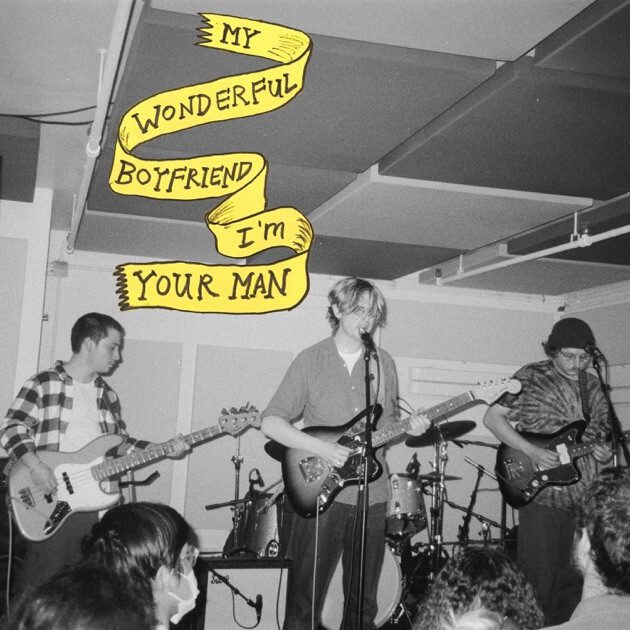
I covered My Wonderful Boyfriend in late 2024, when they released the very good single “My New Shirt.” The EP that followed in January, An Evening with…, was quite good and left me salivating at the thought of a MWB full-length. Who knows if that’s on the way yet, but “I’m Your Man” is fucking perfect. With flickers of piano calling back to LCD Soundsystem’s “All My Friends” and a vocal delivery from P.J. McCormick that’d get Stephen Malkmus humming along, “I’m Your Man” is pop rock exactly as it should be: syrupy singing, sun-dappled Jazzmasters, and a chugging, damn-near-choogling drum beat. When McCormick’s garage yawp collides with a backdrop of fizziness, My Wonderful Boyfriend play the “It’s not easy but it’s all right” conclusion like they own it. My head’s still spinning, goddamn. —Matt Mitchell
78. Rochelle Jordan: “Ladida”
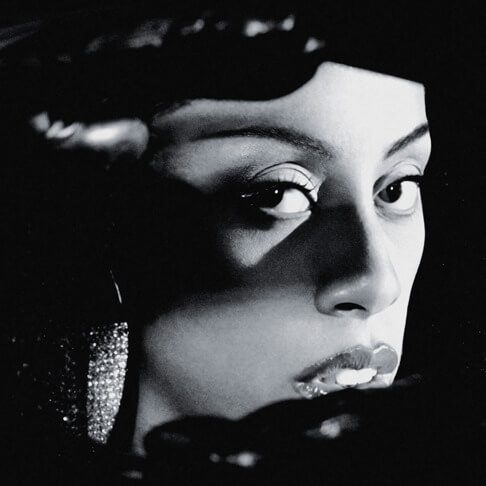
Through the Wall, the latest album from Toronto vocalist Rochelle Jordan, opens on a high note. Following a brief introductory track, KLSH’s propulsive house beat ascends like a scuba diver nearing the surface, and Jordan comes in full force. “Met KLSH back in ’09 in around / Threw me beats and I just hit ’em out / One by one, yeah, bitch, I been around / Not just one, I birthed a good amount,” she half-raps, half-sings, ending each stanza on the downbeat of the next measure. A maven of the dancefloor, Jordan knows how to keep bodies in motion. That’s why she has us all singing la-di-da. —Grant Sharples
77. Agriculture: “Flea”
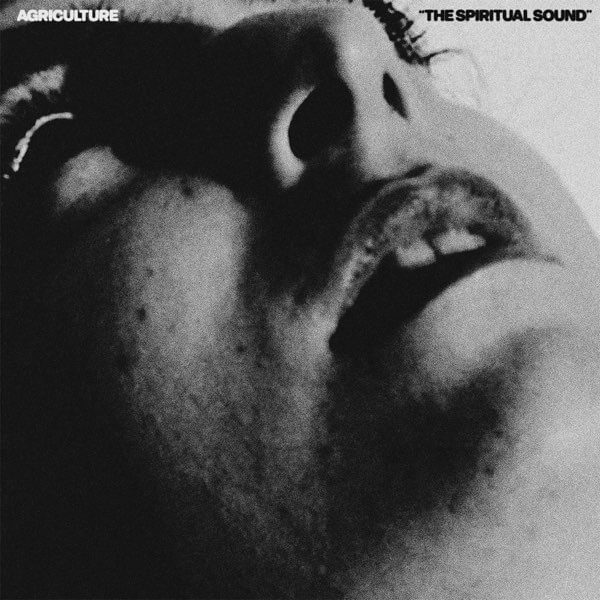
The Spiritual Sound contends with vacant meaning, cruel existence, and righteous presence. Everything just is. Agriculture simply are, there genre agnosticism unfurling on “Flea,” an unpredictable and vast colossus. The song tears through a monstrous drum roll and splintering guitar, all while Leah B. Levinson’s voice sustains in the underbelly of Dan Meyer’s violent hollers. “Living rooms, they’re born again to men like ghosts attached to teeth,” she hums. “The words sting in passing, more or less.” But the vocal contrasts in “Flea” are replicated in tangential arrangements. The song’s true middle pacifies brutality with a sprawl of hazy bedroom chords, only to be shocked back into the torrent by Meyer’s charred, reflective yawp: “Where trust and love fail, fear makes a map. You followed it.” Such textural versatility finds full consciousness in music that blasts with numbing intensity until it’s reborn into vibrance. —Matt Mitchell
76. Teethe: “Holy Water”
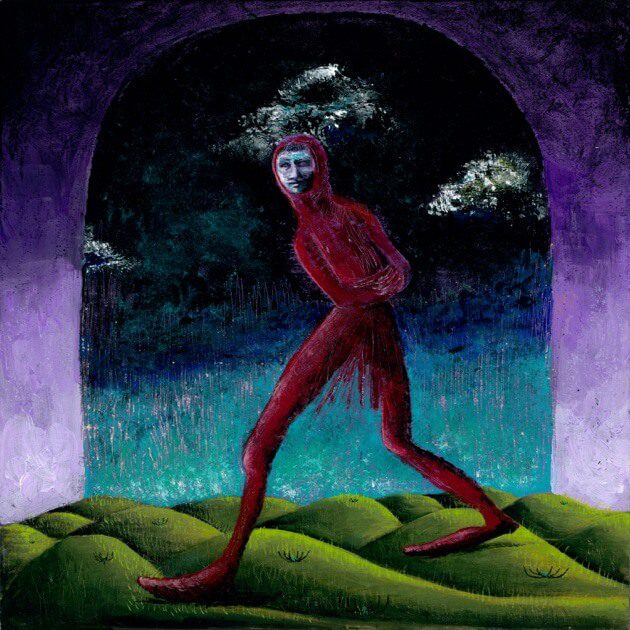
Teethe thrives on the tension between aggressive and gentle, and “Holy Water” is perhaps their best expression of southern slowcore, a subgenre they are presently at the forefront of. I remarked to a friend that the music video enhanced the song so much for me—breathing a familiar mustiness into it, tinted olive and chartreuse as if from age, evoking the early-2000s alternative music videos I would watch on my grandmother’s VOD service. That same strange, liminal nostalgia runs through the song itself, as slowcore guitars rain down and the driving melody threads through with a bellowing creakiness. The track juxtaposes the divine and the youthful, as if Heaven was a treehouse and one begs, “send the ladder down.” This tug-of-war takes shape in Boone Patrello, Grahm Robinson, and Jordan Garrett’s screaming guitars, bass, and drums that compete with Madeline Dowd’s intimate vocals, echoed by Charlie Martin’s piano line. Feedback creaks like steps on warped floorboards between verses as Dowd beckons for a bold innocence to return: “Go / Back to when you were a daredevil / Back to when you first learned to pedal.” —Andrew Ha
75. Oklou: “blade bird”

The final track of Oklou’s long-awaited debut album, choke enough, is a fitting send-off, an apt song that takes flight on featherweight drums, fluttering synths, and a flock of overdubbed, processed vocals. Despite metaphors that allude to cages and blades, there is something nurturing to be found here, too, like a bird building a nest for their young. Oklou is a new mother, and the avant-pop artist reckons with the sacrifices intrinsic to parenthood, and her declarations of devotion signal a point of acceptance. Even if she’s the one who ends up getting hurt, it’s a fate to which she has happily resigned. She doesn’t sound defeated; she sounds self-assured. It’s a touching denouement for one of the best albums of the year. —Grant Sharples
74. Weirs: “Lord Bateman”
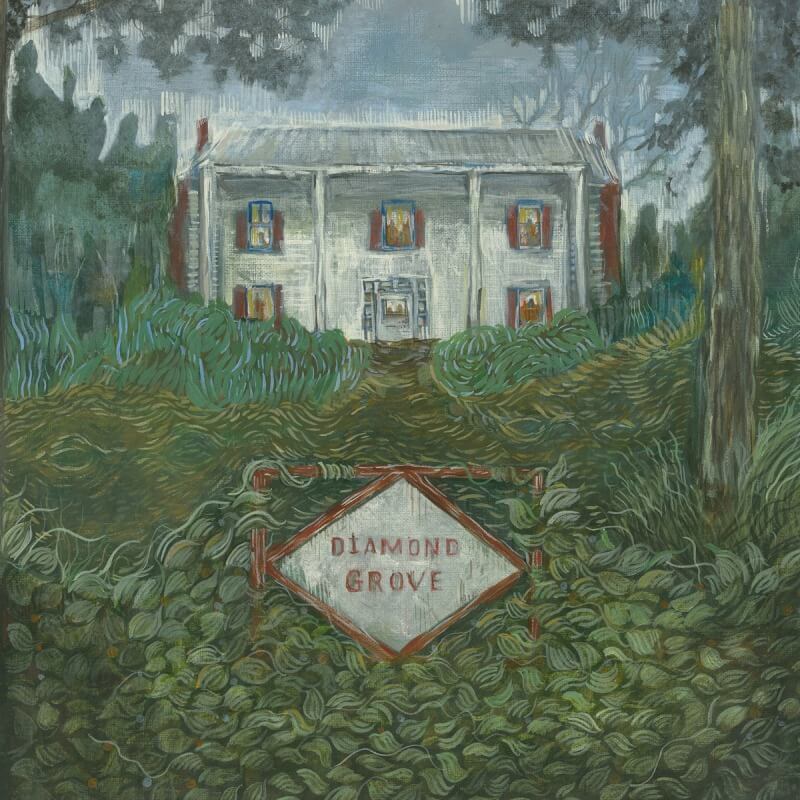
“Lord Bateman” is a tune as old as the Diamond Grove, an unincorporated area on the Meherrin River in Brunswick County, Virginia. There, a dairy farm from the 1740s lingers. Rope beds are still in the main house; Weirs brought their nine-piece outfit to the living and dining rooms in September 2023 to record tape experiments and traditional songs. “Lord Bateman,” an 18th-century ballad made relevant by Jean Ritchie, was one of them. It’s about a noble, eastward lord imprisoned by a Turkish king and saved by the ruler’s daughter. In keeping a long-held promise to her, he leaves his fiancée for her seven years later. Drones, clinking glass, fiddle, synthesizers, and mouth harp skiffle and collapse in the softness. As Oliver Child-Lanning sings about forsaking “all for the Turkish lady, she has crossed that old salt sea for me,” the tune’s unorthodox “happily ever after” rockets into a drapery of found sounds, misty synths, and looping, discordant strings. “Lord Bateman” is a fascinating, 21-minute heirloom captured on an “ad hoc signal chain” in a house older than all of us combined. —Matt Mitchell
73. Nourished by Time: “BABY BABY”
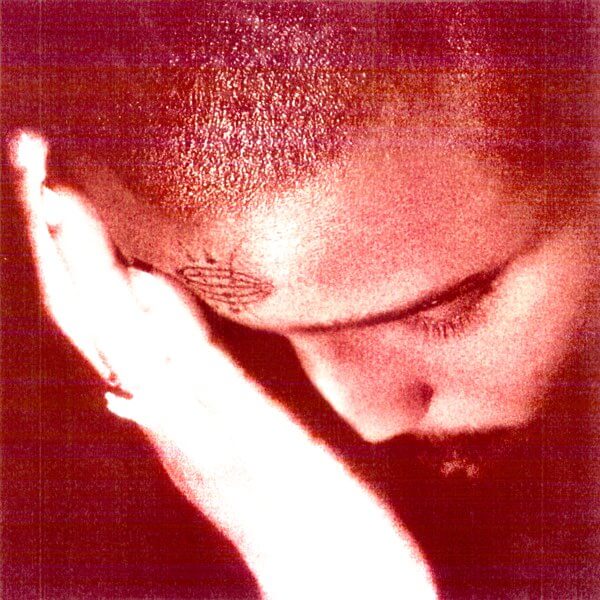
Marcus Brown is incapable of writing a bad song. From his 2023 debut LP Erotic Probiotic 2 to last year’s Catching Chickens EP, he has the secret sauce for songs that have infectious electro-R&B beats, ones that can make the most stoic person unable to resist dancing. On “BABY BABY,” backdropped by a frenetic beat accentuated by zapping sounds that remind me of ’80s video games, Brown calls out those who chose to ignore the world’s horrors: “The evidence was haunting / The world kept revolving / If you can bomb Palestine, you can bomb Mondawmin / Buy anything, just buy it fucking often / Yeah, turn your fucking brain off.” He’s very vocal about his political views online, from celebrating “radicalizing” his mom to voicing his support for Palestine. It’s refreshing when a rising artist of this magnitude uses their platform for good through their music while also making a song that absolutely rips. “BABY BABY” falls into that category. —Tatiana Tenreyro
72. YHWH Nailgun: “Sickle Walk”
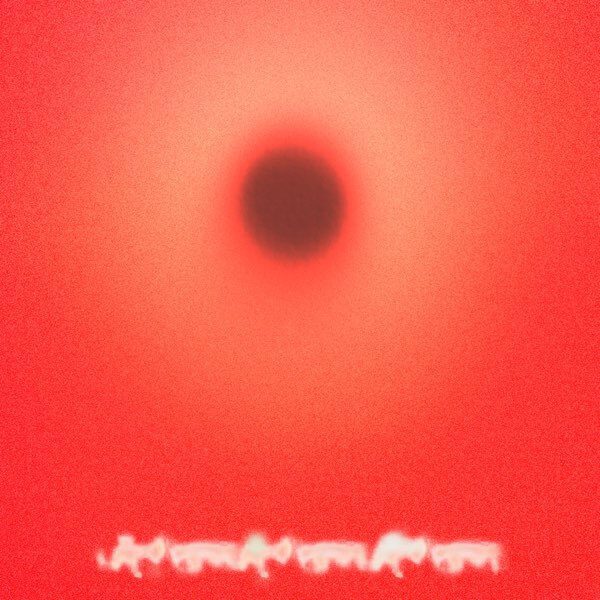
In “Sickle Walk,” Brooklyn’s YHWH Nailgun serves up a sonic goulash that tastes like someone dropped their iPhone in a blender with a handful of vintage drum machines and David Byrne’s anxiety medication and pressed a button. The song, from their debut record 45 Pounds, manages to construct something bizarrely danceable from the skeleton of no-wave, creating rhythms that feel like they were excavated from the ruins of a post-apocalyptic disco. Frontman Zack Borzone delivers his lines like a sleep-deprived street prophet who just discovered his refrigerator has gained sentience, while the band conjures a backdrop that sounds like industrial machinery learning to dance. In just under four minutes, the experimental rock quartet builds a world that feels both wholly alien and unnervingly familiar—like finding your childhood teddy bear rebuilt as a cyborg. It’s gloriously unsettling, and I’m here for every twisted second of it. —Casey Epstein-Gross
71. Ninajirachi: “iPod Touch”
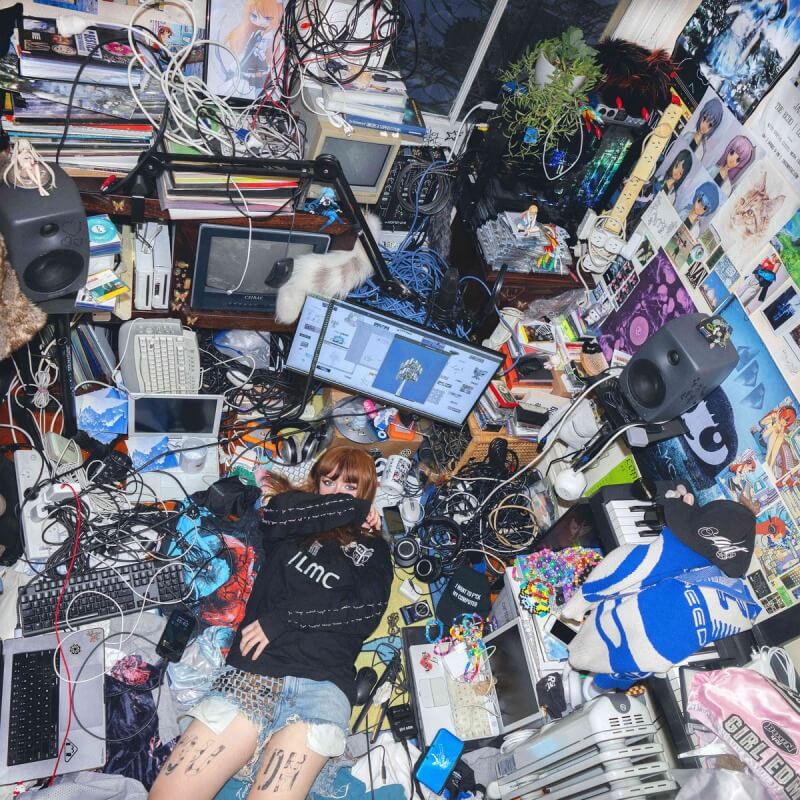
I Love My Computer is one giant mix—a hyperpop/electroclash/EDM mega-hybrid constantly shifting, both between and within its songs. The music is so endlessly frenetic that you don’t even have time to think about breathing. “iPod Touch” is a cutesy, sped-up bop referencing not just the titular device but its Pikachu case and the tiny rebellions it enabled. The song is fittingly youthful, carrying the same energy as singing out loud when you’re left home alone for the first time. Ninajirachi’s rushed delivery adds to the urgency without losing innocence; it reminded me of my aquamarine Nano, the one I graduated to after my BRAT-green Shuffle. The song holds an elastic sense of depth, sprawling past its own edges while keeping Ninajirachi’s earliest influences and her singular experiences close. By sidestepping the traditional skill hierarchies she inherited, she shapes a unique and fascinating EDM/electronica world on “iPod Touch.” —Cassidy Sollazzo
70. Dean Johnson: “Death of the Party”
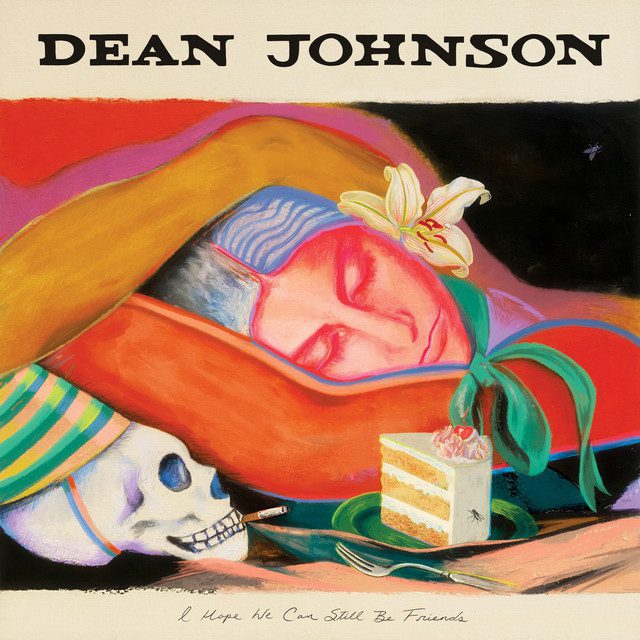
Dean Johnson comes from a different generation. He looks like Sam Elliott but sings like Vince Gill, arriving to us as the closest thing we have to Jim Croce or Sweet Baby James-era James Taylor. He wraps a gentleness around every note; his language is the one I adore most. A song like the “Eleanor Rigby”-quoting “Death of the Party,” which Johnson wrote about the energy vampires in his life, pulls laughter from the southernmost part of my gut. When smarter men invented tube amps and guitar pickups, they were figuring out the best sound that’s ever been heard. But there’s something about Dean Johnson’s music that is more muscular and innovative than simply using nascent gear built to last. He writes in good faith, doling out memories of being lucky in love or plumb out of it completely. He writes about the conversations happening in-between the earth, the stars, the sun, and the moon. It’s all so kind, getting to listen to a memory you can cry to and laugh at. Hey, it’s like the song says: “Someone’s got a story they begin to tell.” —Matt Mitchell
69. Water From Your Eyes: “Playing Classics”
“Playing Classics” is a 6-minute disco-rock opus that builds like a house party on the verge of spilling into the street. It’s one of those songs that makes you sit back in amazement and think, Well, there’s just certainly no one doing it quite like Water From Your Eyes right now. It’s all auxiliary percussion and intricate grooves, with tinny cymbals, chunky piano chords, and a thick, flanging guitar riff that enters at the midway point and detonates the groove from the inside out. Nate Amos and Rachel Brown push their sound into stranger, more ecstatic territory with digitally processed analog textures, vocoder-blurred vocals, and Brown’s signature deadpan spoken word slicing through the disco shimmer. But it’s not just chaos for chaos’s sake: The final seconds peel back the layers, leaving just an electric guitar that may or may not even be amped, keeping listeners suspended, like someone yanked the aux just as the room hit its peak. —Cassidy Sollazzo
68. Smerz: “You got time and I got money”

The lovers and the yearners of the world were in dire need of a 2025 anthem, and Smerz gladly delivered with “You got time and I got money.” Singers Catharina Stoltenberg and Henriette Motzfeldt take turns swooning over love’s simplest graces: gushing over shoes, T-shirts, lazy quality time, and restaurant choices with an undeniable starriness. A plucky bassline and gentle strings bleed into a Moog’s airy backline; soft “mmm”s draw closer to space; adoration and lust tastefully brush against each other. “Baby, can I see you naked, even though I love how you dress?” Smerz devotedly ask. “You got time and I got money” gestures toward a sincerity we could use plenty more of. The immediate obsession we had with Smerz early this year is justified with this song. The title itself is a fitting reference to our modern age—a phrase that names the two things we all seem to be in search of during our hopeless, romantic endeavors. —Alli Dempsey
67. FKA twigs: “Stereo Boy”
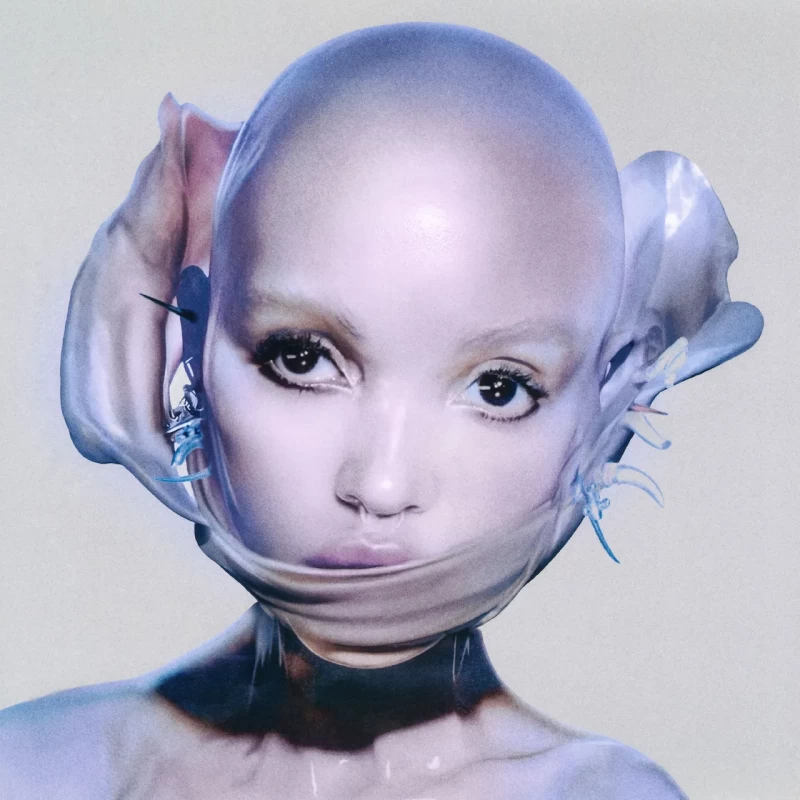
It’s easy to plot out a night out in grand, detailed set pieces—writing yourself into surrendering to the music, meeting someone, moving where the darkness takes you. If FKA twigs’ initial vision of EUSEXUA charted out these acts of transcendent movement from above, with some (perhaps unintentional) remove, EUSEXUA Afterglow shoves you headfirst into the flow state sweeping up past midnight, near-delirious in its insistence. As standout tracks like “Hard” and “Sushi,” both of which call back to the artist’s known affection for a ballroom catwalk and the four-on-the-floor pulse of UK Garage of decades past, have gotten their shine amongst fans since Afterglow first emerged, closer “Stereo Boy” has flown under the radar. If the aforementioned tracks depict the hazy grind of the morning’s wee small hours, “Stereo Boy” is the sound of city lights streaking in loud, obtrusive colors outside a rideshare window on the way home—the drowse over a failed connection once the night comes to a close, rendered in a synth-drenched art-pop exercise. Spectral, glitchy drums crush the chorus underfoot as desperate layered vocals cry out from the void, compacting hours of midnight desperation into a gorgeous five minutes of sound. The attempt depicted might be futile, but it makes for an evocative snapshot of the sun coming up after the damage is done—emerging as one of the most striking things twigs (an artist who has consistently gifted us striking work) has ever done. —Elise Soutar
66. The Berries: “Angelus”
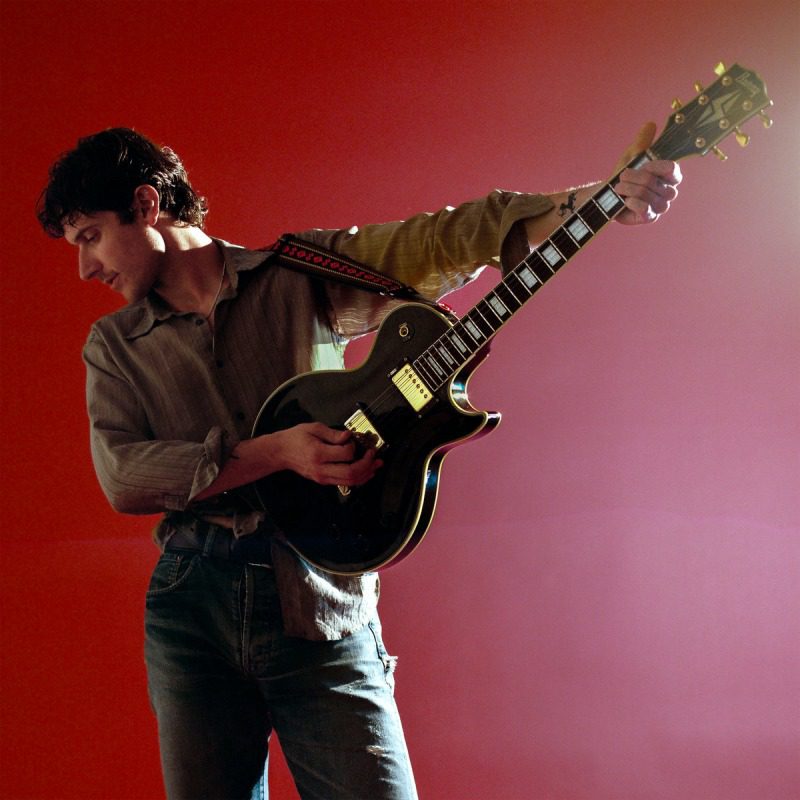
Bruce Springsteen is my favorite musician of all time, but I am not resistant to Bruce Springsteen soundalikes. The Berries, the moniker of Hotline TNT, Happy Diving, and Big Bite collaborator Matthew Berry (no, not that one), uses five minutes to build into a swaggy guitar rupture not unlike one of the Boss’ famous runouts on “Angelus.” The cover of The Berries has already been likened to Born to Run, and “Angelus” certainly sprawls like the similarly blasé “Backstreets.” But Berry doesn’t growl through any chorus. Instead, he injects a loping, Wild Pink-style quaver into his take on Heartland gusto. The “band” here features Kora Puckett of Narrow Head, Ethel Cain drummer Bryan De Leon, Corey Madden of Color Green, and poet Julia Lans Nowak, but it’s Berry and his rambling guitar front and center. —Matt Mitchell
65. Bad Bunny: “DtMF”

I first heard “DtMF” sung by a hundred voices gathered for Pride in New York City, and the magic of Bad Bunny’s best song has not escaped me since. It’s the slow burn of those quiet synths, which gallop towards a dembow and culminates in the best singalong chorus in pop music since “Mr. Brightside”—at least for those open-minded enough to learn a few Spanish dozen words. “DtMF” perfectly embodies a sorely needed collectivism uncommonly found in this all-eyes-on-me era, a quality that’s left many enraged and millions more celebrating. —Benny Sun
64. Open Mike Eagle: “ok but im the phone screen”
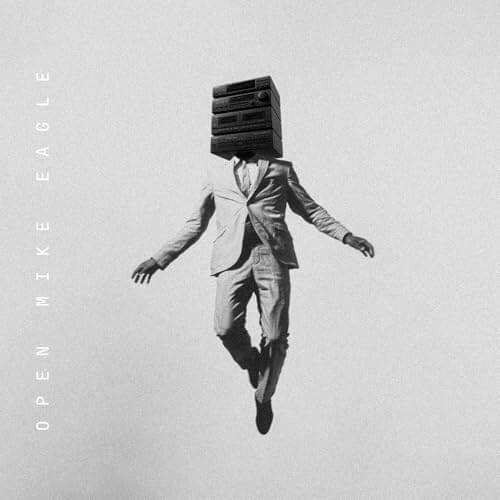
Open Mike Eagle’s excellent Neighborhood Gods Unlimited spends much of its runtime examining one of the most disturbing questions of the modern age: where, exactly, “we” end and the technologies mediating us begin. This theme is best distilled, perhaps, on the aptly titled “ok but im the phone screen,” in which Mike bemoans the dropping of his phone, admitting its loss left him “in mourning for the portion of my brain that has to grab the words before they circle down the drain.” In one of the year’s chillest lo-fi beats to grieve/relax to, he cheekily eulogizes the parts of himself—the voice memos, the notes, the to-be-songs—that instantaneously evaporated the moment the phone hit the ground, lost forever because he forgot to upload them to the cloud. (In a great, intentionally facetious moment, he compares the incident to RZA’s infamous, devastating studio flood: “It’s like that but, like, less- less devastating”). As the winking title informs us, Mike is not just the bereft but the bereaved: he is the cracked screen he’s grieving. And god, in 2025, aren’t we all? —Casey Epstein-Gross
63. La Dispute: “Environmental Catastrophe Film”
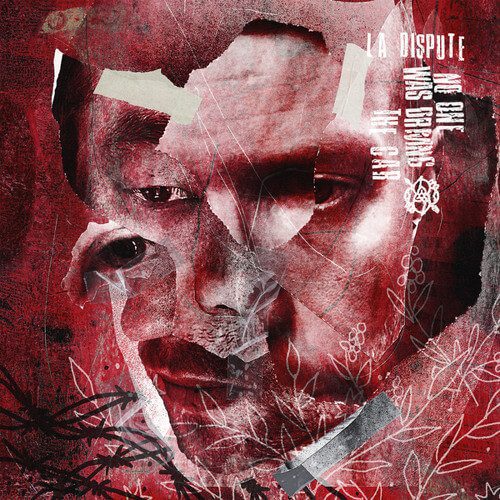
La Dispute’s 9-minute blockbuster “Environmental Catastrophe Film” laps at the wounds of burning skin and head-splitting tempos—all while reckoning with the pollution of the water running through Grand Rapids, Michigan. “Would the poison inside from the river kill you later in life? In the kitchen with your wife and your kids, eating dinner when your body gives in?” vocalist Jordan Dreyer asks, deafeningly. In a reflection on Grand Rapids’ economic reliance on furniture manufacturing, Dreyer considers the lifespan of chairs and the comfort it brings—just as the creation of life might. But the crux of “Environmental Catastrophe Film” is the history it weaves into itself, told in three parts about boys growing into men while gypsum flows through the tunnels dug beneath neighborhood streets. “Every moment passing is another one you’ll never get back,” Dreyer insists. “And you can only get older.” I know a great song when I hear it, and “Environmental Catastrophe Film” has left me thinking about one couplet in particular, words sharp like the blade on a lathe: “All those dead men, fading languages left / Last vestiges above intersect.” —Matt Mitchell
62. Amaarae: “S.M.O.”
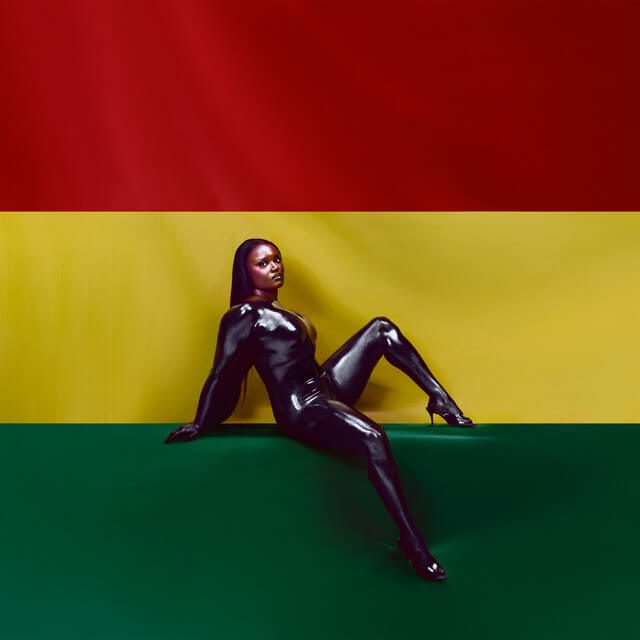
BLACK STAR, the latest album from Ghanaian pop star Amaarae, is hedonism to the highest degree. For a record so steadfastly locked in on bodily pleasure, it reaches a zenith on “S.M.O,” its unabashedly horny thesis. “Scream and shout / Slut me out / Show me how you like to love / I need to know,” she sings, spelling out the song’s nominal acronym in the second line. Zouk rhythms and gqom atmospherics serve a nocturnal, clubby backdrop for her shameless eroticism. On “S.M.O.,” Amaarae embodies the carnal urges of sex itself, how it can occupy the forefront of the mind with an incendiary urgency. —Grant Sharples
61. Geese: “Au Pays du Cocaine”
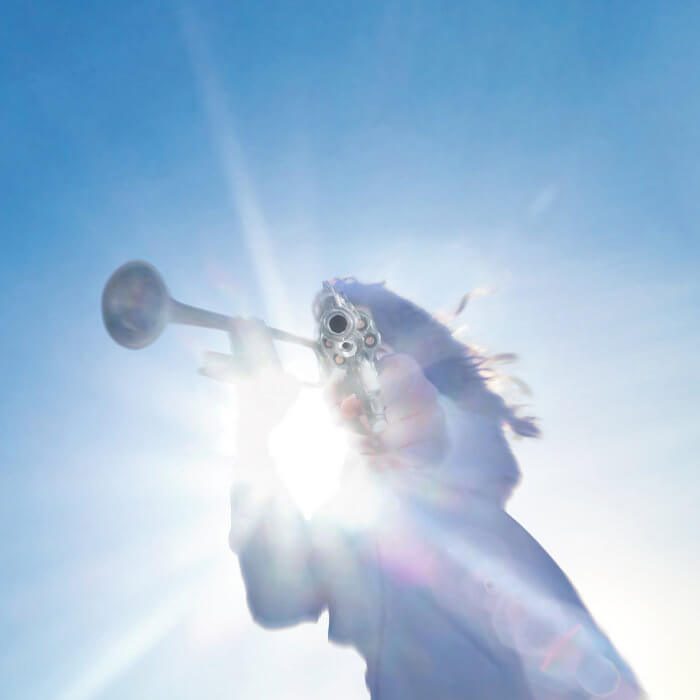
As one of the best songs on one of the best albums of the year and decade thus far, “Au Pays du Cocaine” begins gently and humbly with a very pretty, ‘70s-tinged guitar riff before revealing itself as something more desperate, though still just as affecting. Geese frontman Cameron Winter turns the near-universal experience of wanting to revive a flailing relationship into a potent, urgent expression. Even as he slurs his words and begs for another chance like a bleary-eyed drunk, his passionate promise that things will be different and plea for his partner to “just come home” is undeniably heartfelt and soulful. It’s no wonder the song has already become a soundtrack for fancams of fictional star-crossed lovers, building and building and building until suddenly yet inevitably, the wave of reality crashes down. Despite its shattering emotional and sonic crescendo, Winter’s cautiously optimistic final line offers some hope for anyone still yearning to recapture a love they once had. —Sam Rosenberg
60. William Tyler: “Star of Hope”
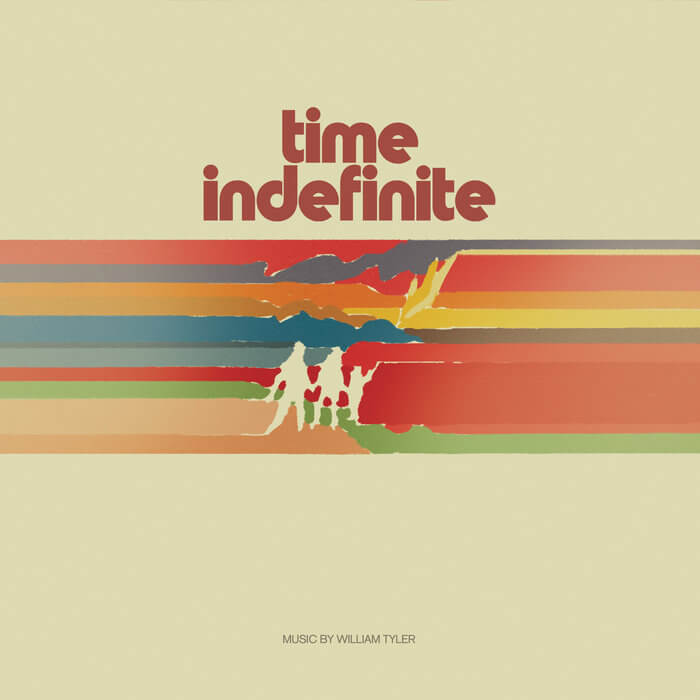
Time Indefinite cushions William Tyler’s guitar with disorienting ambience and crunchy, expired cassette tones. The music is as sylvan as it is ominous, as Tyler unearths manipulated arrangements that flutter between bright and terrifying. A hiss of cosmos becomes his toolkit, as he replicates the non-linear path of healing in guitar volleys, piecemeal synth patches, and strangled found-sounds. “Star of Hope” is Time Indefinite’s greatest transmission—a 5-minute stretch of nirvana born out of Tyler’s “macro-tragic” montages of grief. Milky samples of choir-singing are chopped up beneath his strumming, emulating what it must sound like when the noise of the living is cut silent by the closing of a casket lid. Gone are the space-rock fusions of Secret Stratosphere and the fatalistic, micro-orchestras of Impossible Truth. “Star of Hope” aches with uncertainty and a flavor unbound to just one page of the American folk songbook. Hymns fall apart note by note; instrumental breaks feel deliberately sun-faded; heirlooms sound inaudible. Tyler has never sounded so boldly adrift. —Matt Mitchell
59. Jim Legxacy: “‘06 wayne rooney”
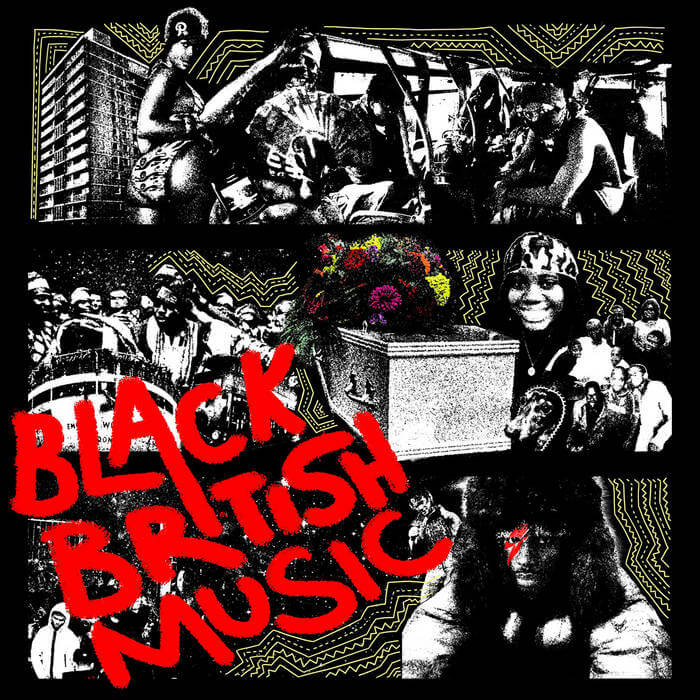
How did Jim Legxacy get here? It’s the question the London singer-rapper-producer asks himself repeatedly in the chorus of “‘06 wayne rooney,” the best song from his most recent mixtape, black british music (2025). Over a bedrock of dreamy, emo-tinged alt-pop, Legxacy recounts his days of being houseless and unemployed and the ensuing mental toil. Thinking through his prior travails leads him to wonder where all the success came from. Rather than relishing the accolades, Legxacy sounds woeful, haunted by something like survivor’s guilt. It’s a poignant reminder that “making it” isn’t always a salve for old wounds. —Grant Sharples
58. Maruja: “Look Down On Us”
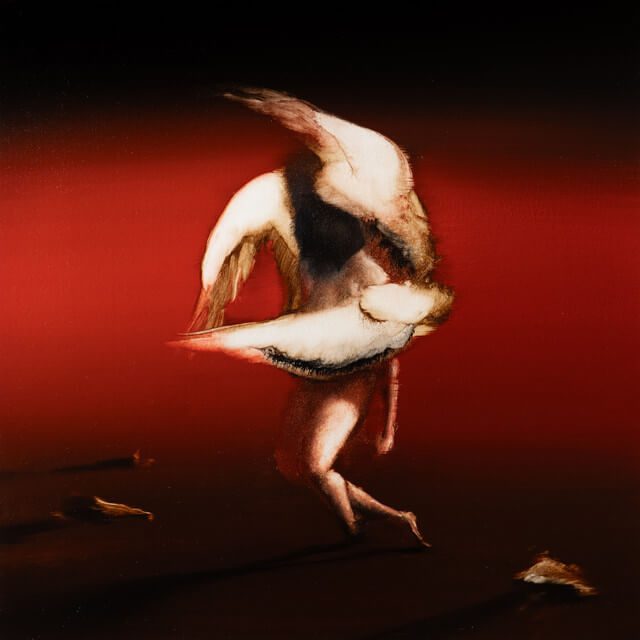
I heard “Look Down On Us” for the first time at SXSW in March, when Maruja turned its instruments up so loud that the businesses at the end of the street could hear the four of them wail. “Look Down On Us” was a near-10-minute rapture of jazz, post-hardcore, rap, and spoken-word poetry; the Texas crowd detonated into a mosh pit—parted down the middle by saxophonist Joe Carroll, who swung his saxophone at phone cameras and puffed ferocity into the mouthpiece. In the center of the chaos writhed a shirtless, sweaty Harry Wilkinson. It was so heavy, brought to life by Englishmen in board shorts and tennis shoes railing against late-stage capitalism and tapping into a provocative, society-questioning type of protest music that the world needs now. Wilkinson calls the song a “reflection of the times we live in.” It’s grotesque and visceral, vibrating between critique and solidarity. He shouts the song’s title through a head-splitting medley of sonic struggle, telling us to “Put faith in love, be firm and loyal. In yourself, put trust. Be twice the ocean, be twice the land. Be twice the water for your sons and daughters.” —Matt Mitchell
57. Alex G: “Afterlife”
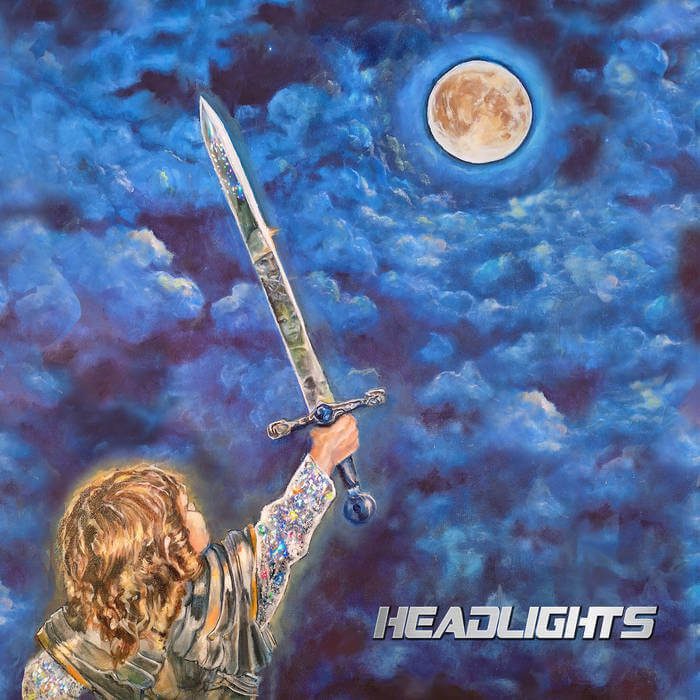
Alex G is in the big leagues now. After scoring Jane Schoenbrun’s films and producing Halsey’s latest record, it was inevitable for the Philly musician to graduate from “indie star” to the mainstream. He signed with Sony imprint RCA Records in 2024 and shared Headlights this year. It’s a crapshoot when a beloved indie artist makes this shift. Will they lose the spark that makes them special to appease the masses and suits, disregarding the sound that caused this breakthrough in their career? Thankfully, that’s not the case with Alex G. “Afterlife” is an Americana pop track that retains the magic touch present in his previous work. Led by bright mandolin strums, he recreates that feeling of being a kid and enjoying the simplicity of life. In the lyrics, he looks back at feeling that childlike wonder (“Let me run on afterlife / Filling up the tank with it / Like a kid I ran it past / Rolling in the tiger grass”) as he reflects on beginning a new life “when the light came,” seemingly referencing his new role as a father. —Tatiana Tenreyro
56. dexter in the newsagent: “Special”
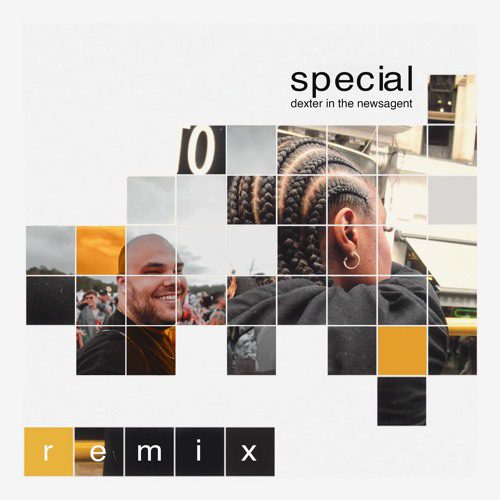
Love songs have long been the lingua franca of pop music. So when a new love song comes along that captures that timeworn feeling anew, it feels transcendent. Such is the case with “Special,” a paean to love-as-human-necessity from South London’s dexter in the newsagent. The subject of the singer’s affection is so entrancing that she needs them like coffee in the morning and sleeping in the evening. Over finger-picked acoustic guitars and swelling synth pads, dexter sings with such conviction that all you can do is bask in the beauty. Guileless and gorgeous, “Special” delivers on its namesake. —Grant Sharples
55. Thomas Dollbaum: “Angus Valley”
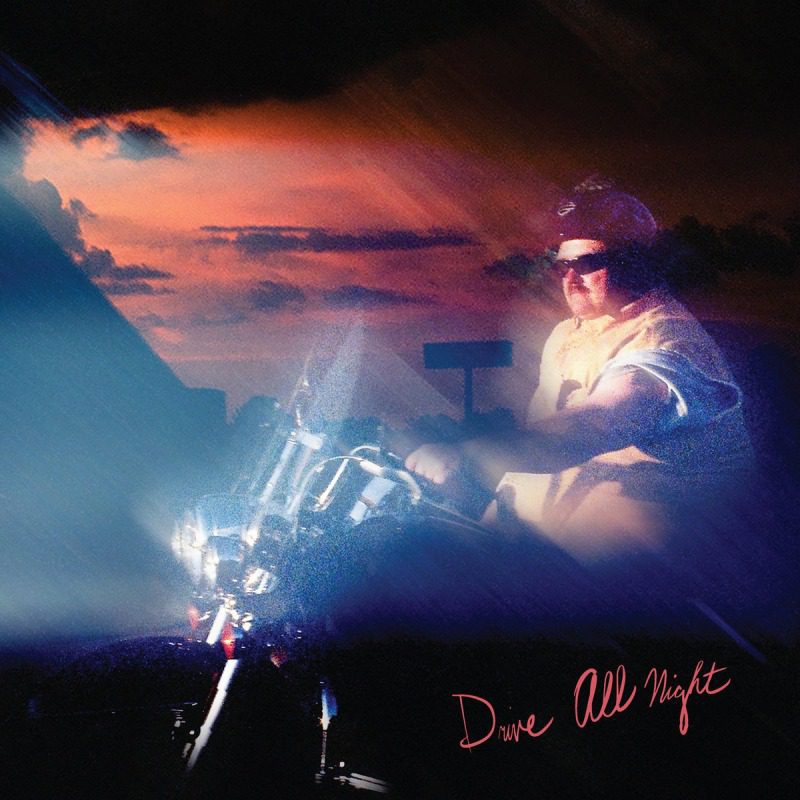
Thomas Dollbaum is an archivist and curator I look to for guidance in my own remembering. He’s part Jesus’ Son-age Denis Johnson and part Nebraska-age Bruce Springsteen; his words, fenced by weapons of Americana and swampy, twangy pastorals, will show you life and death through the necessary, oft-harsh artifacts found in-between. But there is beauty in that, just as there is beauty in Dollbaum’s “Angus Valley,” a folktale interpreted by his longtime collaborators Kate Teague and Josh Halper. He sings about getting kicked out of school, an uncle buying his nephew beer and cigs, a watermelon growing in a girl’s belly, the Texas job corps, and dumbass friends heading to the penitentiary, and it’s impossible to think of “Angus Valley” in any way but the conclusion to James Wright’s “Lying in a Hammock at William Duffy’s Farm in Pine Island, Minnesota”: “I have wasted my whole life.” Written after an old friend unexpectedly passed away, “Angus Valley” sticks with you, just as Dollbaum’s art always does, because Angus Valley “loops for all eternity,” and Dollbaum has driven it a million miles. —Matt Mitchell
54. Blood Orange ft. Caroline Polachek, Lorde, & Mustafa: “Mind Loaded”
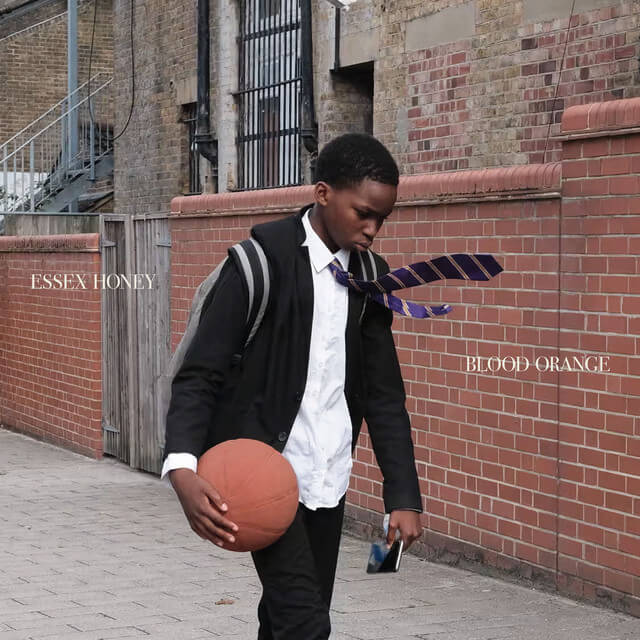
By feathering classical motifs into schmaltzy electronica and drum ‘n’ bass on Essex Honey, “Mind Loaded” becomes a pageant of string tangents, vocal shifts, and piano injections. Dev Hynes calls upon Caroline Polachek, Mustafa, and Lorde, and their four voices blending into a woozy strata of buzzing, understated synth-pop and choppy, angular piano soul. “Everything means nothing to me,” Lorde and Kelly Zutrau sing like it’s theirs, not Elliott Smith’s, before Mustafa finishes their sentence: “And it all falls before you retreat.” When Hynes’ outro arrives, it’s like a phantom splayed and muted across a burial ground: “I keep getting closer to your loss.” Vestiges of Yazoo’s “Only You” wash over me each time “Mind Loaded” emerges. —Matt Mitchell
53. Wednesday: “The Way Love Goes”
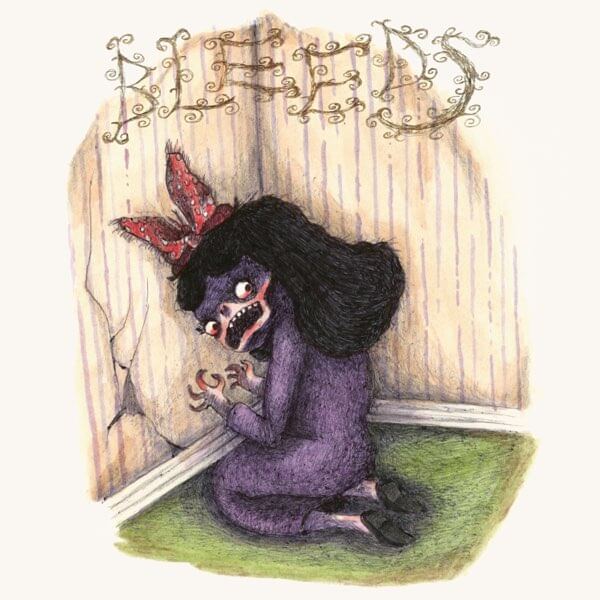
In her gorgeous, devastating piece for Vulture, singer Karly Hartzman detailed her painful, long-gestating breakup from fellow bandmate and partner MJ Lenderman and how it inspired “The Way Love Goes,” the beautiful, stripped-down ballad centerpiece of Wednesday’s Bleeds. The song interpolates the melody and chorus of Merle Haggard’s classic “That’s The Way Love Goes,” but it’d be difficult to guess that based on how lived-in and achingly tender it is. Hartzman’s voice calms the album’s raucous creek-rock storm with a compellingly somber quiet, giving weight to the dreamy sway of the track’s guitar twang and poignant narrative. In just less than two minutes, “The Way Love Goes” knocks you flat on your ass with its stunning compression of the good, bad, and ugly parts of relationships, a testament to both Hartzman’s deft songwriting skills and palpable humanity. —Sam Rosenberg
52. Addison Rae: “Headphones On”
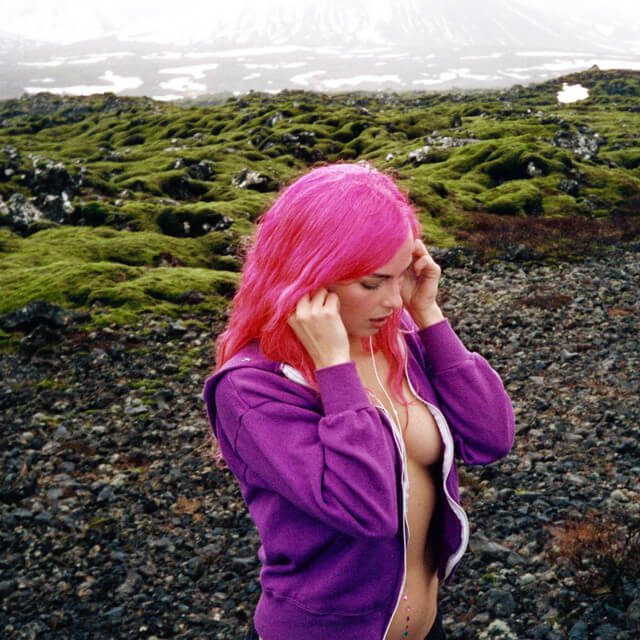
On her 2023 self-titled EP, Tik Tok microceleb-turned-unlikely pop star Addison Rae proved she was capable of making more than just cheeky viral dances. A clutch feature on a Charli XCX remix and one debut studio album later, Rae went even further in subverting expectations by showing she could deliver bops with depth on top of ones that already dazzled. “Headphones On,” the blissfully downtempo closer on Addison, is one such case, its smoky, trip-hop bounce brilliantly backing Rae’s meditation on the healing power of music amid her turmoil over her parents’ domestic drama. Though it unabashedly wears its influences on its sleeve (Madonna, Britney, Björk), “Headphones On” makes a strong argument for Rae as an artist who can pave her own way, using the sounds and textures of pop’s past not as a crutch but as fuel. Sometimes, escapism is the answer to life’s woes, and Rae’s simple yet elegant acknowledgment of its ephemerality makes the song all the more bittersweet and authentic. —Sam Rosenberg
51. Backxwash: “History of Violence”
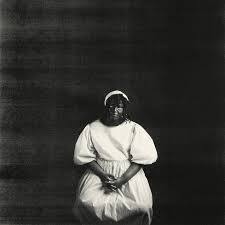
A synth begins like a lullaby on “History of Violence” before patiently building into an armor of metal drums and Michael Go’s thrashing guitars. “Is Heaven the only semblance of peace?,” Backxwash asks. The song is not just a reflection of her own political climate-inciting agony, or an uncomfortable interrogating of cultural abuse, but an annihilation on global power, corruption and gluttony; Backxwash prosecutes the fascists enabling the ongoing genocide in Gaza, shouting, “From the river to the sea, Palestine will be free!” She condemns the world’s leaders using freedom as a bartering chip; she recalls videos of dying Palestinian children and reckons with what power fuels a slaughtering of innocent children: “These fuckers gonna say it’s all about peace. Check the stats, motherfucker, it’s all about greed.” The perspective repeatedly switches between micro and macro, as Backxwash, ever the intergenerational, socio-political magician in rap, casts a spell on Black trans life through gothic, scorched-earth overtures, unpredictable pop tangents and prompt lyrical critiques of global corruption and genocide. —Matt Mitchell
50. Dry Cleaning: “Cruise Ship Designer”
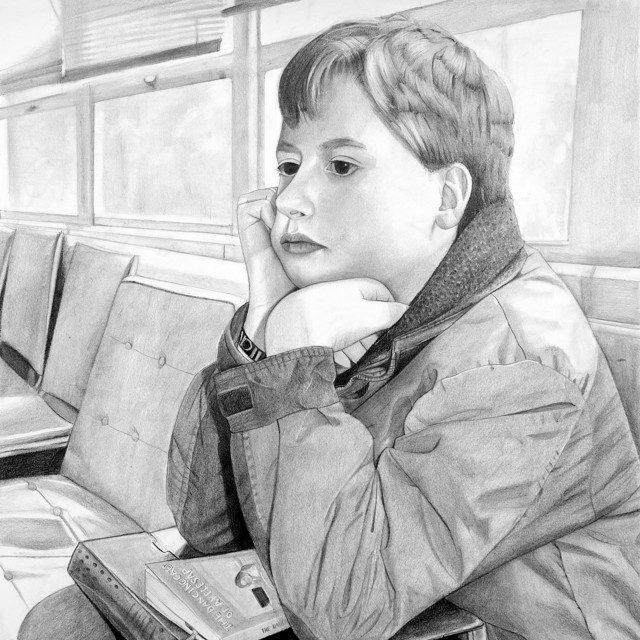
“Cruise Ship Designer” is, by vocalist Florence Shaw’s account, about “a cruise ship and hotel designer who’s skilled and paid well, but who doesn’t believe his role has real worth. He tries to enjoy it, and invests himself in meeting the challenges of the job.” The second Secret Love single doesn’t crawl like its predecessor, “Hit My Head All Day.” No, Tom Dowse’s Tom Verlaine riff splashes and struts. Shaw says, “I believe in design.” Her bandmates chant, “I am not an ambitious man” right back at her. But remember: This is a Dry Cleaning tune. Shaw’s slinky, humid pace is capstoned by Dowse’s restless eruption into this zagging, dissonant crescendo that reveals her collapsing, winking intent: “I make sure there are hidden messages in my work.” The “powerful boat for a powerful mind” saga of “Cruise Ship Designer” is decorative and immediate—a bottle half-buried in the sand but already uncorked. —Matt Mitchell
49. McKinley Dixon: “Run, Run, Run Part II”
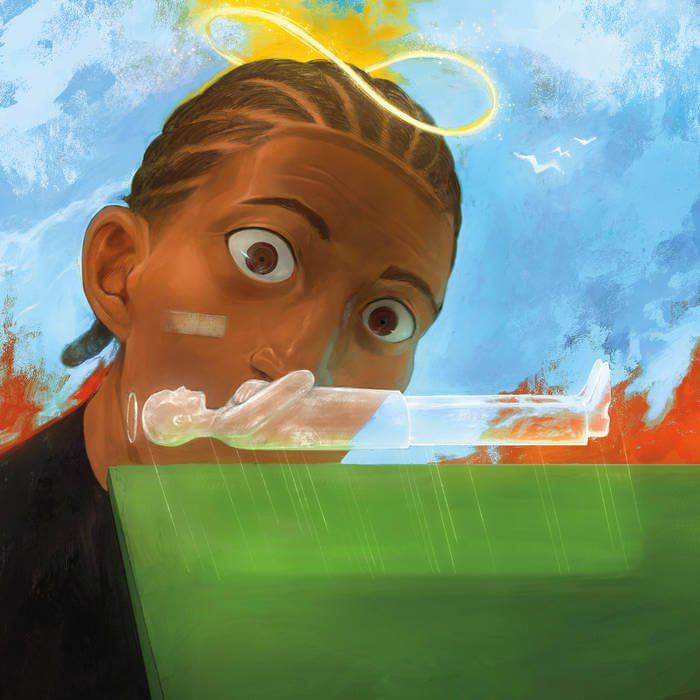
“Run, Run, Run Part II,” a sequel to the Beloved! Paradise! Jazz!? track that blew up so big it landed in Chase Bank commercials and the FC25 videogame, is a medley of piano, horn, and ride cymbal splatters. McKinley Dixon’s cipher is full of Erykah Badu references and thug love. “If one day we’ll be free, keep it running,” he affirms, before reciting stanzas about enchanted wrists, target audiences, getting socked in the mouth, and the pride shared between the living and dead. The “braids for the summer” motif from “Beloved! Paradise! Jazz!?” returns before Dixon substitutes the “I’m less likely to falter” line with “take ‘em out for the fall.” His language sprawls into an image of leaning houses, teething babies, and palms “reach[ing] up to God.” —Matt Mitchell
48. mark williams lewis: “Ecstatic Heads”
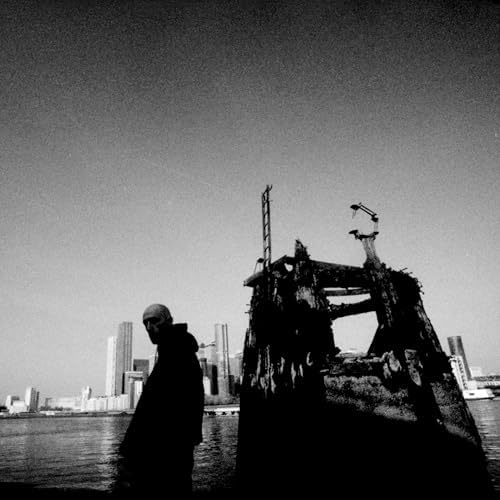
London’s Mark William Lewis may feel like a bold choice for A24’s first signing on its musical imprint, given his clouded baritone and his proximity to oddballs like Bar Italia and Dean Blunt, but he splits the difference between oblique and plainspoken in ways that the cinema tastemakers do for their medium. His recent self-titled full-length is rich with guitar exercises and vulnerable lyrics shrouded in uncertainties, interrupted by flashes of harmonica or electronic manipulation. The album’s closer “Ecstatic Heads” takes that to a fairly bombastic conclusion. As the drums and guitar trip over each other, Lewis cycles through questions, declarations, and commands as if repeating dialogue from a play: “Can you believe this? / It’s happening again. And no, I haven’t seen him / But he is not your friend / He is not your friend.” When it feels like an image is coming into focus, what sounds like chopped up harmonica flourishes lunge at you like a ceiling fan falling into the scene, only to coalesce into a smooth, sensational peak toward the end. As much as he languishes in occlusion, Lewis also gives you choruses and climaxes. —Devon Chodzin
47. zayALLCAPS: “MTV’s Pimp My Ride”
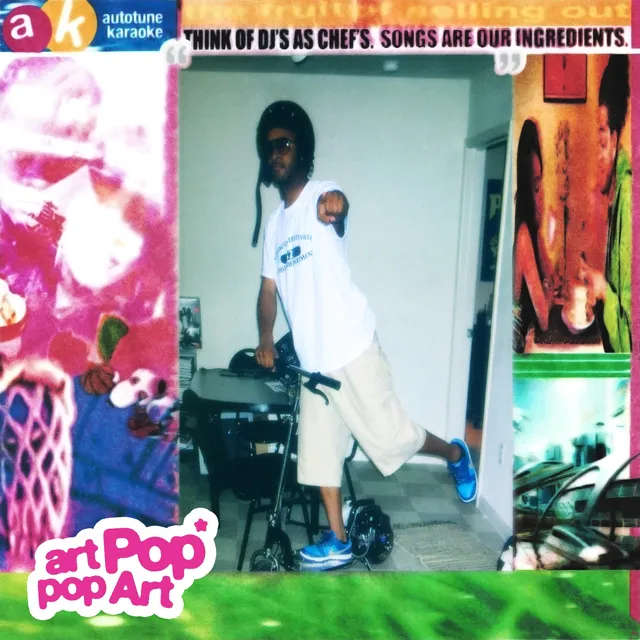
On “MTV’s Pimp My Ride,” zayALLCAPS proves that nostalgia isn’t the artistically bankrupt strategy many make it out to be. You just need to go straight to the source. The reference to the Xzibit-hosted MTV show creates a clear and articulated aesthetic grounding for the ballad, emulating the vapidity of most love songs of a now-bygone era. Of course, zayALLCAPS’ deathly infectious vocals elevate the track, evoking 454 and Ne-Yo in a perfect pop chorus. “MTV’s pimp my ride,” like a period-accurate karaoke lyric video or the occasional skipped beat on a scratched CD, prove zayALLCAPS to be a master historian on top of his game. He’s the next great pop practitioner. —Benny Sun
46. Hannah Cohen: “Dusty”
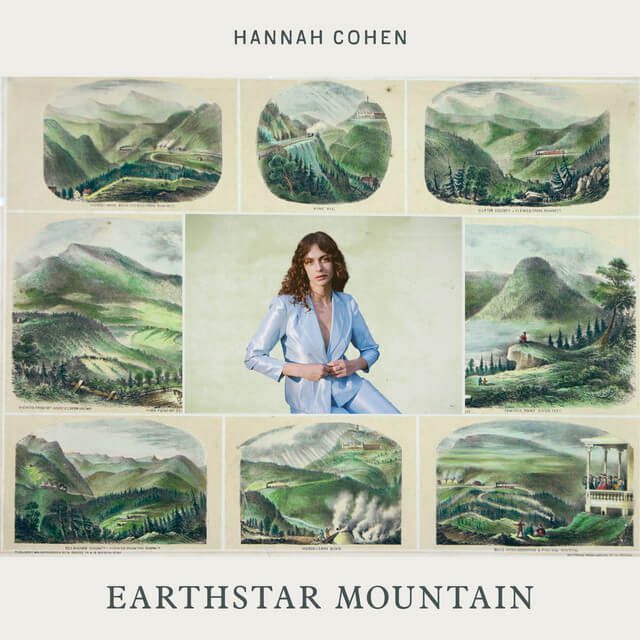
“Everywhere you go, now, there you are,” Hannah Cohen repeats in the “Dusty” chorus. It’s a piece of advice we’ve all heard so often that it can go in one ear and right out the other, but Cohen takes time to really sit with the phrase, stretching the words to their limits to see how they taste on her tongue, before chirping them out in one breath—as though a revelation has suddenly hit her, sparking an unexpected jolt of bliss to ripple throughout her core. Evocative of the peace she’s found in solitude, a bossa nova-inflected groove wraps around her lilt like a plush blanket, while delicate flute notes twirl around her like birds in an unobstructed sky. In this serene soundscape, she finds that her own thoughts flutter and fade as naturally: “You won’t believe the things you’ll find / Laying around there with your mind,” she muses, the notion dripping from her lips like a sweet, golden nectar. There’s a sparkle of sincerity to her voice that easily gains your trust. —Anna Pichler
45. aya: “off to the ESSO”
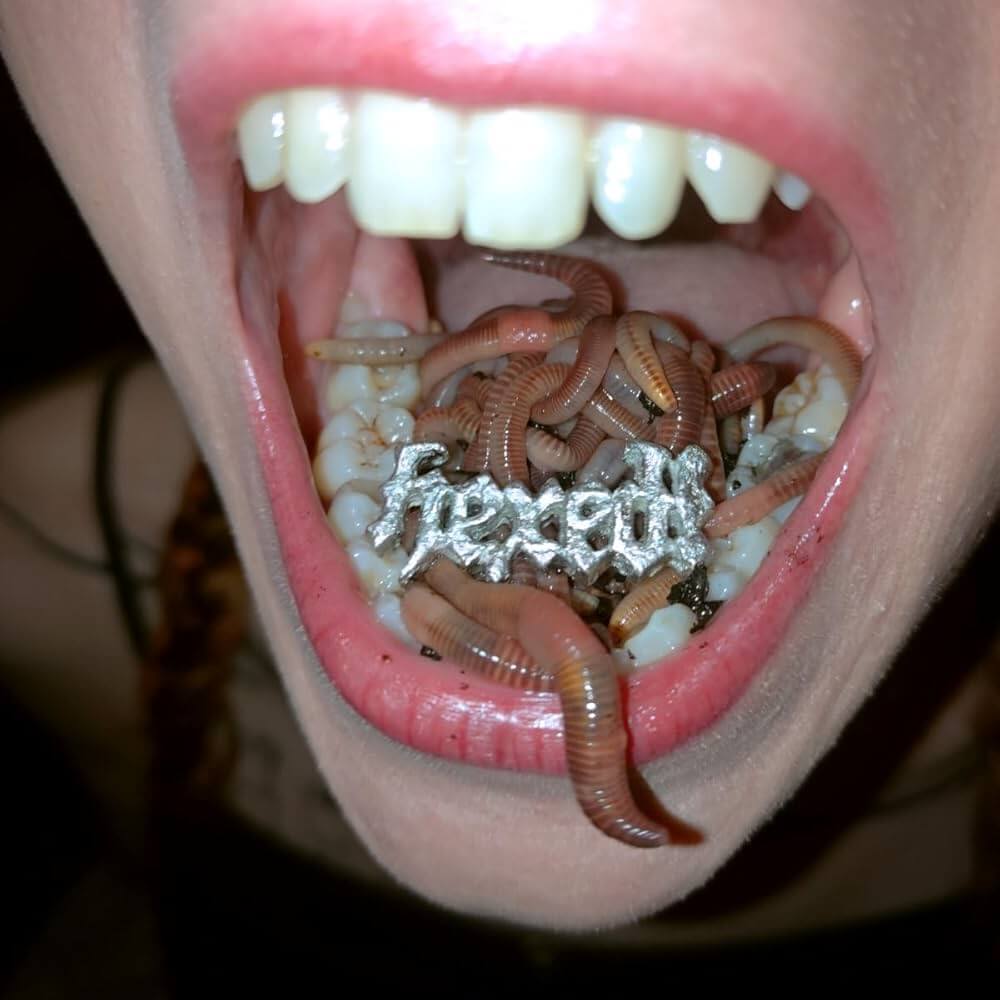
Who knew that aya had a hard-hitting club banger in her? 2021’s im hole mostly floated by on atmospheric sounds and ethereal flourishes. For an artist as experimental and unorthodox as aya, “off to the ESSO,” with its four-on-the-floor kick and well-timed beat drops, is as shocking as her most outré material. Still, this early highlight of hexed! is far from conventional. The physical modeling synthesis aya employs lends a grotesque tactility to the production. You can feel every buzz, screech, and smack in your bones, taking over your whole being like a persistent parasite. And what a wonderful parasite it is. —Grant Sharples
44. Tyler Childers: “Oneida”

Some songs just take their time, and not every idea makes it off the cutting room floor. Tyler Childers had been kicking “Oneida,” the second single from Snipe Hunter, around for a while. First performed in 2016, it became a fan favorite in the same way the National’s “Rylan” became a fan favorite—there was a good chance the song was never going to get the proper studio treatment it deserved. The “Oneida” that shows up on Snipe Hunter is a warm, gorgeous ballad that sounds fuller than the skeletal arrangements of its previous iterations. The song is sung from the perspective of a young man falling in love with an older woman. He’s talking about “weddings and rings,” women dancing to Cyndi Lauper and referencing movies they’re too young to know. The age-gap presents a problem, but Childers’ narrator is steadfast: “Oneida, I know that I’m younger than most, but I’m willing if you’ve got the time.” On an album that features his newfound discovery of Buddhism and Hare Krishna, Childers saves his most religious reverence for the love found in “Oneida.” —Jeff Yerger
43. Lorde: “Favourite Daughter”
“Favourite Daughter” was my song of the summer, and I’d argue it’s Lorde’s best effort since “Supercut.” In its bouncy pop vibrato you can hear fragments of her generational pop stardom, namely in one of the year’s best choruses (“‘Cause I’m an actress, all of the medals I won for ya / Breaking my back just to be your favourite daughter”). Jim-E Stack’s suped-up, expansive sprawl of synths and the tandem guitars of Andrew Aged and Blood Orange’s Devonte Hynes define an album like Virgin, a project mostly devoid of big hooks and explosive resolutions. When Lorde surrenders to pop orthodoxy, no one can touch her. “Favourite Daughter” is a perfect and confident parade amongst the breaking, carnal mess of Virgin’s aching flaw. —Matt Mitchell
42. Dylan Earl: “Level-Headed Even Smile”
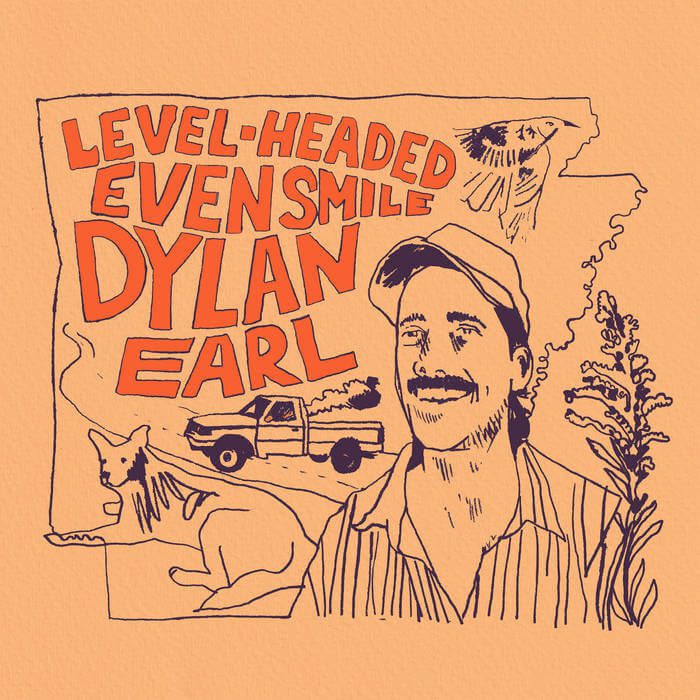
“Level-Headed Even Smile” is not only a smoke-rolling, backroads-blaring preface, but a kind and determined explosion of truck-driving drama. The sentimental, lineage-honoring colors of the song contrast the material-based, algorithm-attentive formula of mainstream country music, as Dylan Earl sings compassionately about a sadness that can linger even in the most beautiful place on Earth. After celebrating the pastoral of Arkansas on “High On Ouachita” and flipping a bird to fascists on “Outlaw Country,” he becomes one with the salt and loose gravel on “Level-Headed Even Smile.” It’s punk as hell to keep going. Even cowboys wearing pit vipers get the blues. Dylan Earl remains one of country music’s most vital voices. —Matt Mitchell
41. Sudan Archives: “A BUG’S LIFE”
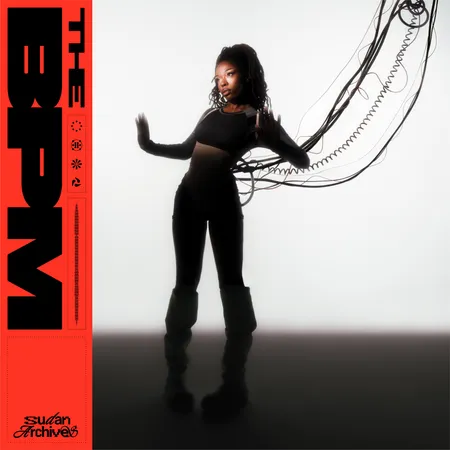
“A BUG’S LIFE” is such a prize, and I want whatever Brittney Parks was on when she wrote it. “Just hit a scam over ninety bands,” she sings. “Did the running man with like twenty grand. Brand new tits, but they grew her ass. Thirty-inch bust down to her ass. Boss bitch, but she want a better half.” The beat is a trance, as is the chopped-up “oh-oh-oh” vocal sample threaded into the drum programming. Saying that Sudan Archives is one of the best living performers is probably too obvious. But you have to know this: “A BUG’S LIFE” leaves me ecstatic. Even if I was strapped to a table while listening to it I wouldn’t be able to stay still. —Matt Mitchell
40. Black Country, New Road: “For the Cold Country”
“For the Cold Country” finds Black Country, New Road transformed into a medieval troupe, performing an enchanted tale led by May Kershaw with a tender, winsome charm—building on previous tracks like “The Boy” and “Turbines/Pigs” on Live at Bush Hall. From the outset, Georgia Ellery, Tyler Hyde, and Kershaw, the three leads on Forever Howlong, set a quaint scene: a kite struggles to catch the zephyr and our despondent knight-errant retreats into a cave after battle, as the sun sets and instrumentation nudges Kershaw along. As she tumbles vocally toward the end of the first verse, the theme shifts, inquisitively revealing the knight’s hidden, earnest heart. As a plea deflates, the troupe elongates chords, later lending ballast to the returning, now denser, first theme. As the knight begins to petrify, he sheds his armor and slowly begins to lay down his arms, as if he were beginning to thaw: “But I think I’d like to be a little lighter / I could try to throw off the iron helmet / And indulge in memories.” Grasping the kite string and joined by his ghost, he faces a storm of percussion, guitars, and saxophone as this wind batters the ears. Suddenly, he takes flight as the kite gets caught in the trees, leaving them floating in the night sky as the beginning vocal trio returns. They lose each other, reaching in the dark until, finally: “Our hands reach, clammed together.” —Andrew Ha
39. Lady Gaga: “Vanish Into You”
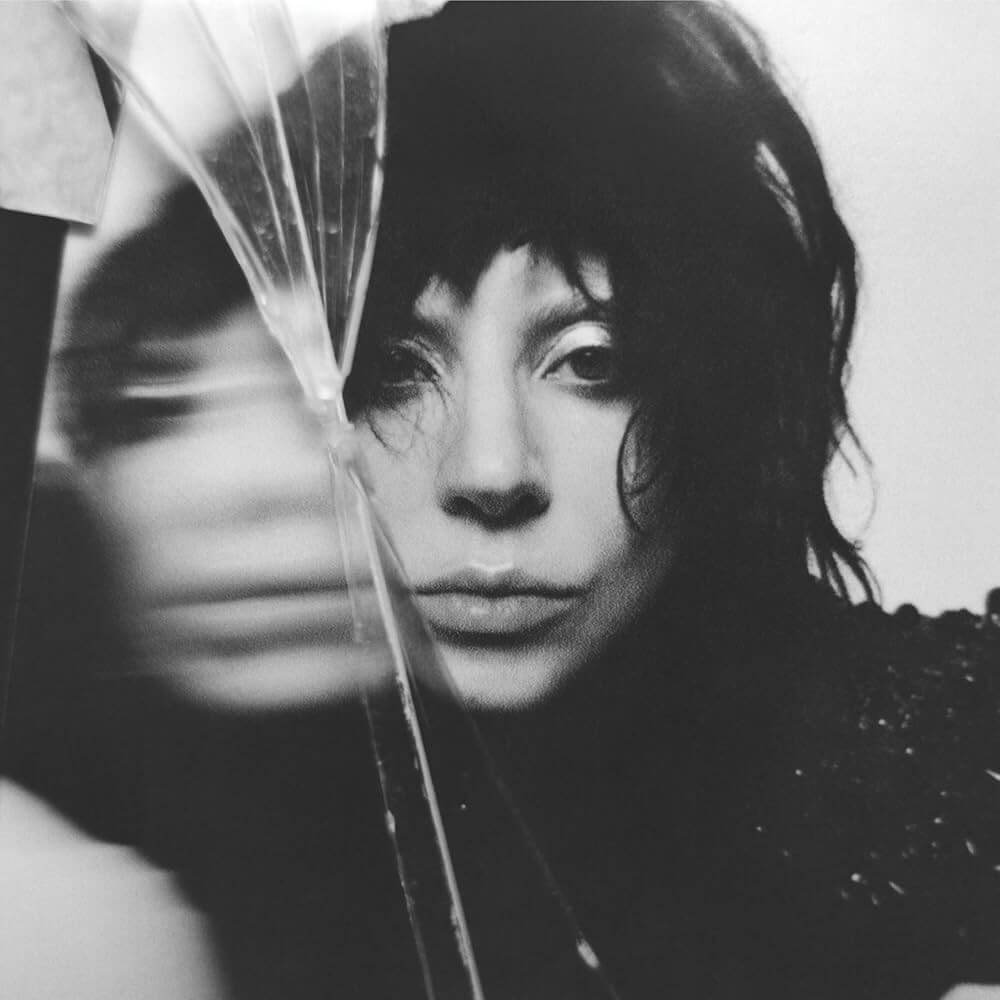
When Lady Gaga said that Mayhem is a “pop album,” she was using that description loosely. It’s not a sibling of The Fame, or Born This Way, or Chromatica—even though all of those titles have mothered Mayhem into existence. Gaga, who is knocking on the doorstep of 40, has finally drawn from her greatest wellspring of inspiration, be it the chaos of counterculture punk, the panging, crushing metallic walls of Nine Inch Nails, Prince’s output with the New Power Generation or, unequivocally, David Bowie’s discography, especially Fame. With the help of Andrew Watt and Cirkut, she returns to the spaces of Chromatica, pulling from boogie and French house; she restores the sleazy, crooked divinity of The Fame with a potent dose of sex, power and resistance. And yet, “Vanish Into You” is none of those things. It’s a daring pop song because it doesn’t flutter once. It’s my favorite thing she’s made since “Judas,” potent with a high-pitch, glass-breaking chorus, and picture-perfect, sugary production. It’s also the most joyous Gaga has sounded on a track in more than a decade, all but confirmed in “Vanish Into You”‘s emphatic, “We were happy just to be alive” chorus. —Matt Mitchell
38. Jeff Tweedy: “Enough”
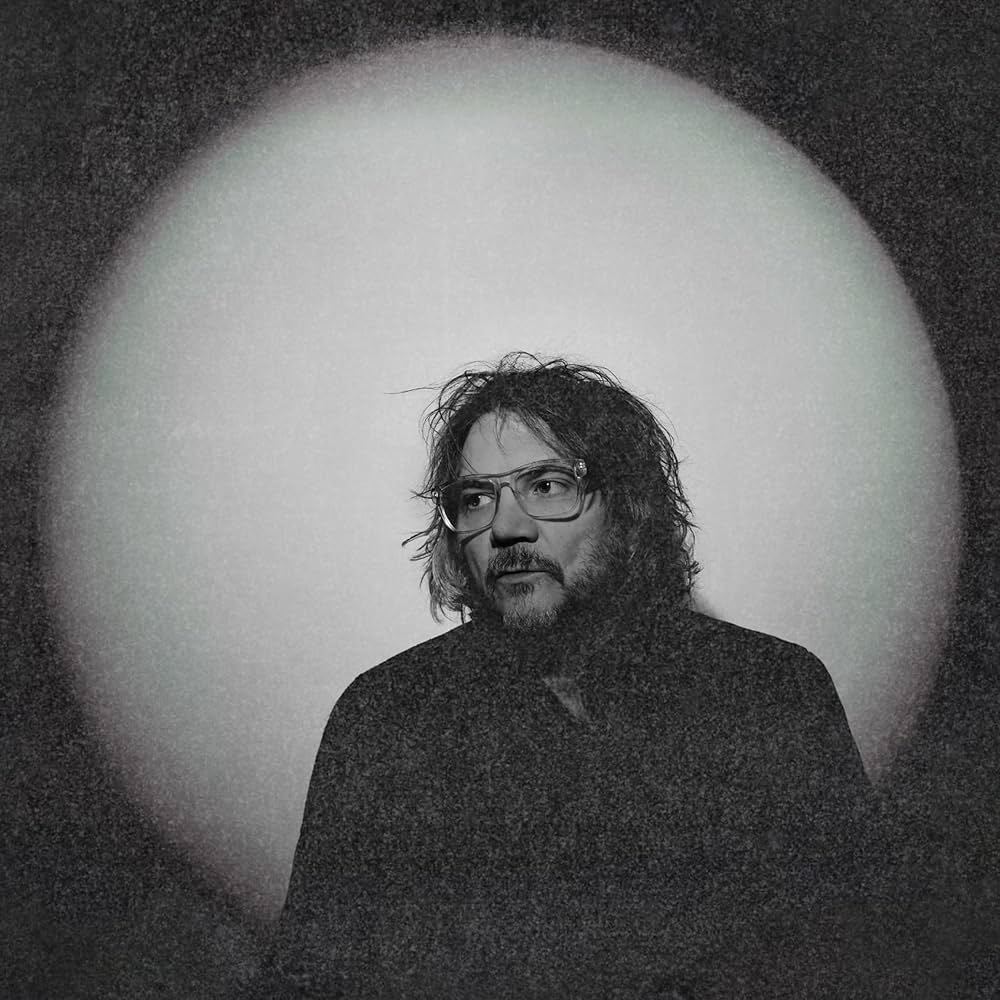
The lines that come to mind when I think of “Enough” aren’t actually Tweedy’s, but Frances Quinlan’s: “People of the world / Nobody loves you / Half as much as I am trying to.” There’s that same mix of exhaustion and devotion in the air—the desperate attempt to keep showing up, keep trying, keep loving, long after the well should have, by all accounts, run dry. The song opens on a deceptively bright ’60s-ish riff (almost certainly an homage to “Waterloo Sunset”), and it immediately feels like a deep breath after Twilight Override’s long wandering—sunlight breaking through after a triple album’s worth of dusk. The band sounds loose and alive: Spencer’s drums nudging the beat forward, guitars chiming and fraying at the edges. But inside that warmth, Tweedy’s still turning the same questions over like stones: “Has it ever been enough? / Has it ever been okay?” The verses tumble between the heart and the mind until everything collapses into that simple refrain: “It’s hard to stay in love with everyone.” It’s funny, really; after all that searching, he winds up right where Quinlan started: still trying to love the world harder than it’ll ever love him back—but, crucially, somehow finding peace in that imbalance. There will never be enough life to satisfy a lifetime, but that doesn’t mean that living isn’t worth it. —Casey Epstein-Gross
37. Holy Palmers’ Kiss & Melody English: “Horribly”
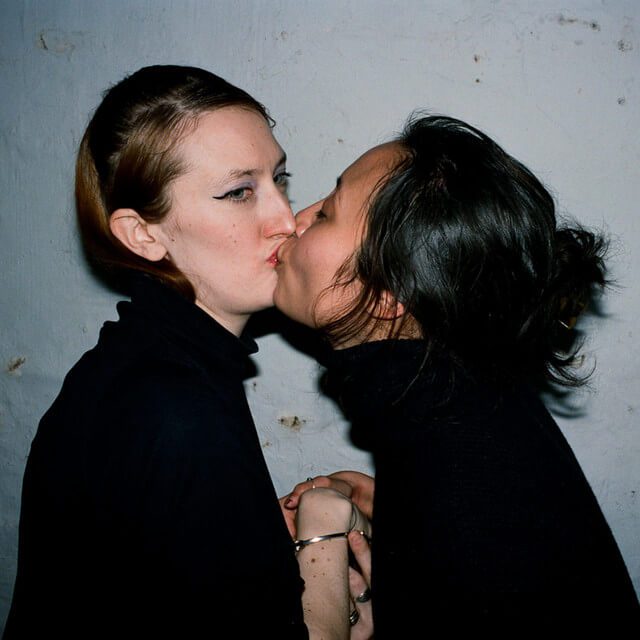
I’ve been into a lot of new music this year, from Lifeguard to Addison Rae, but there is no song I’ve revisited more than Holy Palmers’ Kiss and Melody English’s “Horribly.” It’s a song that reminds me of the early 2010s indie pop I loved growing up, in the vein of Passion Pit and Edward Sharpe and the Magnetic Zeroes, while not feeling like it’s intentionally going for the nostalgia factor. English’s syrupy vocals over see-saw synths feel so blissfully sweet that I find myself needing more, hitting play again and again. It was self-released without much fanfare, but I’m convinced that it’ll experience a similar fate to their contemporary The Dare’s now-hit “Girls”: it’s only about time until people outside of the New York City DIY bubble find it and become as enamored with it as I have. It’s vastly different from the rest of Holy Palmers’ Kiss and English’s other work, but one can hope that at some point they team up again for more releases in this direction. —Tatiana Tenreyro
36. Safe Mind: “Standing On Air”
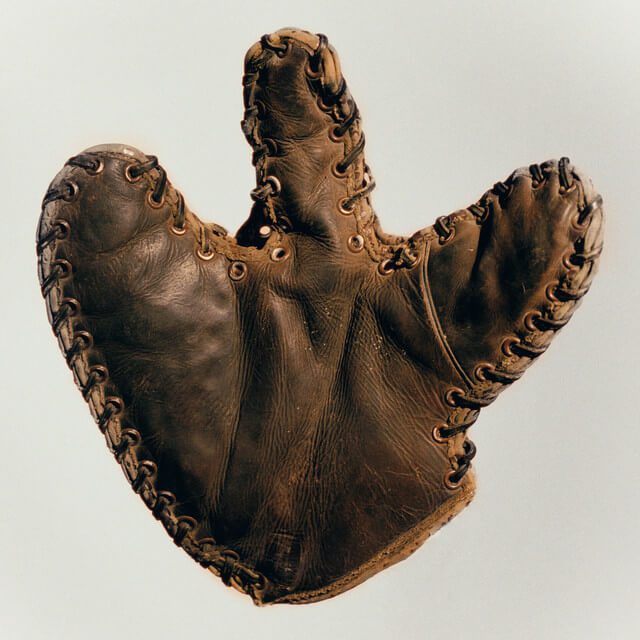
“Standing on Air” is a song whose incredible execution proves that the best duos are greater than the sum of their parts. Safe Mind is one such case: Western Massachusetts oddball singer-songwriter Cooper B. Handy (a.k.a. LUCY) and Western Mass-via-Savannah producer Augustus Muller, who’s also one half of the cult favorite darkwave act Boy Harsher. Together, their work is still as slippery as any Cooper B. Handy project, but via a raw emotionality that translates with more clarity than ever before. “Standing on Air” bounces with an infectious beat in a minor key, imbuing Handy’s hustler lyrics with a sense of urgency or doubt verging on melancholy. As hooky as the track is, it’s hard not to feel that a phrase like “celebrating the times we were wrong” reveals a recursive struggle. When Handy asks, “Are you standing too close?,” or repeats, “That’s when you need it the most,” there’s an opportunity for genuine reflection in the negative space between each keystroke or strum of the bass. It’s that heart that keeps you coming back for more. —Devon Chodzin
35. Lifeguard: “It Will Get Worse”
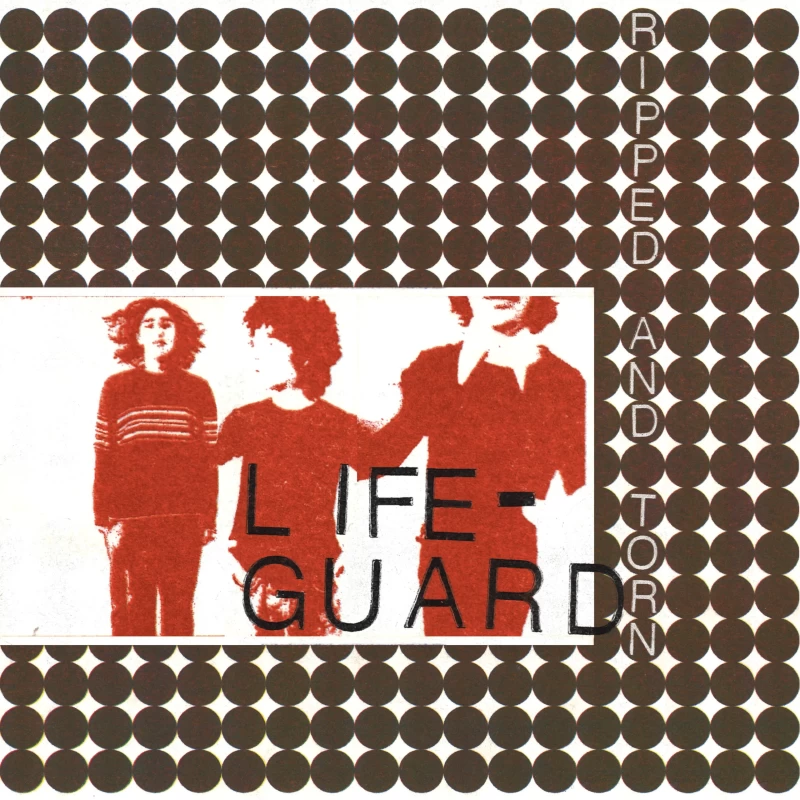
There’s a new musical vanguard in Chicago: Lifeguard have been together since pre-COVID, when they were teens transforming the city’s youthful DIY scene. Their two previous EPs, Dressed in Trenches and Crowd Can Talk, quickly established them as torchbearers of a storied, multi-generational musical legacy. Inspired by Television and Dredd Foole, Ripped and Torn is renaissance post-punk with a twist of anthemic, post-Y2K bombast. “It Will Get Worse” ought to be everyone else’s wake-up moment. The song sounds like the Cleaners From Venus covering Pavement, as metallic, thrashing guitars vibrate through lo-fi, distorted hooks. And, truth be told, who wouldn’t want every song in existence to sound exactly like that? You better get hip to Lifeguard now; the moon is firmly in their sights. —Matt Mitchell
34. MAVI ft. Earl Sweatshirt: “Landgrab”

MAVI and Earl Sweatshirt understand the power of brevity. The hop-in-hop-out mentality that drives “Landgrab,” the sub-90-second highlight from the former rapper’s latest tape, The Pilot, emphasizes the unbothered finesse of the two emcees. Both at the top of their games, MAVI and Earl reunite for a pure heater. The acolyte-and-master dynamic that infused their first collaboration, 2019’s “EL TORO COMBO MEAL,” assumes a different energy here. On “Landgrab,” the duo trades bar after bar, never letting up the momentum for even a second. No longer the mere protege, MAVI is just another master at work. —Grant Sharples
33. Hayley Williams: “Parachute”

In early August, Hayley Williams released 17 singles. Soon after, she compiled them all into an official album, which I thought was very, very good. But Ego Death At A Bachelorette Party had one more trick up its sleeve: “Parachute.” The devastating 18th and final track from Williams’ file-dump is a shiny synth-pop prize—a revelation, considering how good everything before it already was, that serves as a reminder that her talents are broader and far more contrasting than Paramore’s safest conventions. The bounce of the “I thought you were gonna catch me, I never stopped falling for you” chorus is not only total ear-candy, but a new contender for Williams’ most confident, intimate, and captivating achievement yet. If only every breakup song could be so catchy —Matt Mitchell
32. Fust: “Jody”
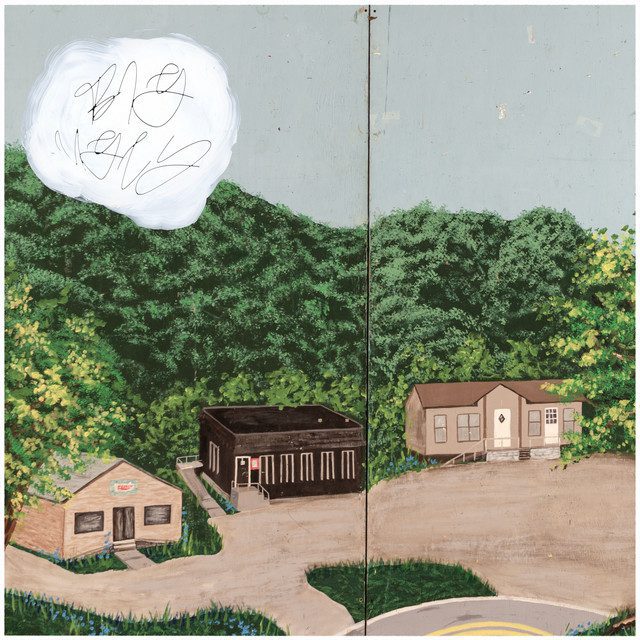
Big Ugly, the magnificent third record by Durham’s Fust, plays like an 11-chapter love letter to the grittiest parts of southern Americana. Singer-songwriter Aaron Dowdy paints a stark picture of life in a forgotten South, where hospitals are torn down and left to ruin, and the history that surrounds you is rusted and crumbling. His characters in these songs carry an oft unspoken pain within them, and a desire for something more but they’re too tired to find what that might be. In “Jody” our narrator is tired, ready to drink away another night in the South with his titular love, a woman who likes to feud after she drinks too much. But there is a feeling of contentment and affection between them. Sometimes it’s just nice to have someone to watch TV with at the end of a long day. We should all be so lucky to have someone to come home to someone like Jody. “Yeah, me and Jody been at this since high school / We’ve been at this now longer than we’ve not” sings Dowdy. “It’s all we’ve got.” He could be talking about the drinking, or he could be talking about love. Most likely it’s both. —Jeff Yerger
31. Sabrina Carpenter: “Manchild”
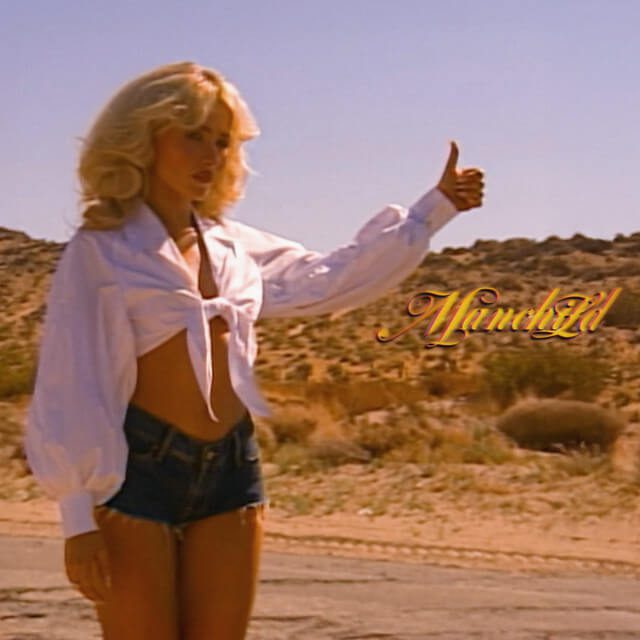
Sabrina Carpenter warned her now-ex Barry Keoghan to “Please Please Please” not prove those skeptical of their relationship right. Sadly, it appears that he did, but at least we got another hit from Carpenter out of it, which immediately upon its release started trending on TikTok. Against a ’70s disco-country-inspired melody, she calls him out for fumbling her and then crawling back. Carpenter told Rolling Stone that “Manchild” was written as a form of catharsis while dealing with her lingering emotions over her romantic situation, and sparked what turned into a collection of new songs for her recent album, Man’s Best Friend. While it doesn’t have quite the same appeal as her other Jack Antonoff-produced hit “Please Please Please” (it’s hard to top the irresistible rhyme of “another” and the drawn-out “motherfucker”), her signature sarcastic delivery and melody reminiscent of Dolly Parton—who collaborated with Carpenter for a new version of the aforementioned single off Short n’ Sweet—wins you over. —Tatiana Tenreyro
30. billy woods ft. Yolanda Watson: “A Doll Fulla Pins”
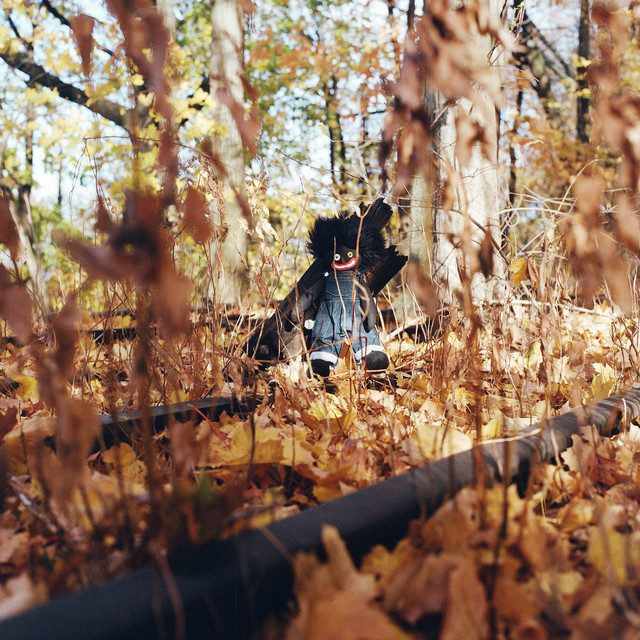
The best lyrical performance of 2025 belongs to billy woods on “A Doll Fulla Pins.” Playing on the curse of the doll that lingers in the title of GOLLIWOG, woods interrogates histories of misplaced trust, voodoo, abuse, and revenge. His phrases paint the images in his best song since Athiopes. Beatings, a long-gone soul for purchase, and white women’s tears linger like consequences. “The air pregnant, the whole city just waiting,” he slurs. “Tasting my own blood in bracelets, the plug impatient. Like, fuck all that, I lived in the bus station.” “A Doll Fulla Pins” rummages through a woozy, sensual saxophone solo and tape feedback; the pure muscle in Yolanda Watson’s “come to me with your sins” chorus will shatter you clean. —Matt Mitchell
29. The Waterboys ft. Fiona Apple: “Letter From An Unknown Girlfriend”
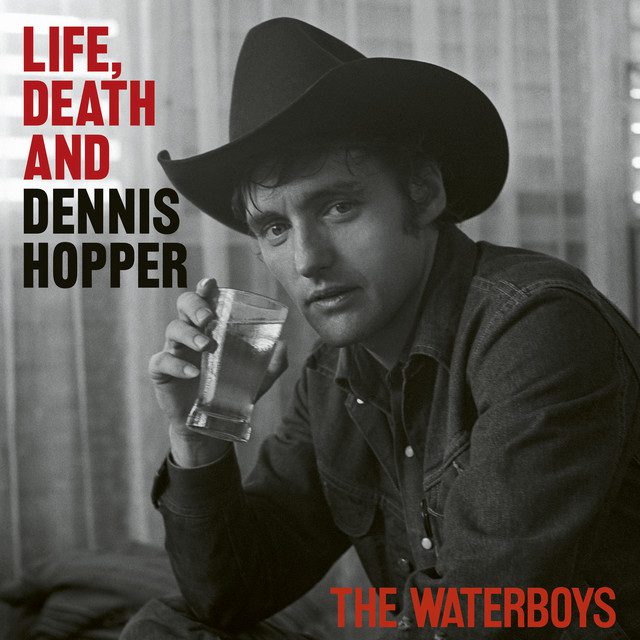
Though it’s credited to the Waterboys, “Letter From An Unknown Girlfriend” belongs to Fiona Apple. The Scottish rockers penned an entire double-album to the late Dennis Hopper, but Apple’s cameo midway through the project puts the story’s perspective into the hands of a nameless woman who loathes Hopper just as much as she marvels at his mystique. “You had the charm, charm enough to sweep me,” she sings, pushing her voice against a bare piano melody. “Took me in your arms, so you’d satisfy and keep me. Too late, I knew that it was all and only about you. All about you, sweet you.” The chords never yell, remaining patient as Apple’s words climb through a thrashing pocket in her throat. You can hear her muscles clench as the suffering becomes clearer, as her roars dilute the adoration and reveal abuse. “I was intoxicated by the child in you!” she bursts. “I loved the satyr running wild in you, but I never met anyone who stunk like you, who talked junk like you, who fell in a funk like you, or got half as goddamn drunk as you!” But as the song begins to dissolve, Apple reveals the truth: “I used to say no man would ever cage me. And no man ever has. No, not even you. Oh, no, not you, sweet you.” “Letters From An Unknown Girlfriend” is a portrait of a woman aching over a piano, guided only by her memory. Rebelling against tedium, the Waterboys use the only thing they could ever need: Fiona Apple’s voice, an instrument touched by something more remarkable than God itself. —Matt Mitchell
28. Clipse: “So Be It”
16 years after their last album, Clipse came back this summer with Let God Sort Em Out—a return to the form they put on ice for a decade. Pusha T and Malice can write circles around each other. Coke rap hasn’t sounded this good since Pusha’s last LP, thanks to a combo of paranormal organs and a vocal sample from Talal Maddah’s “Maza Akoulo” on “So Be It.” The track is all about rich perspectives and welcoming beefs, and the brothers take aim at Travis Scott and Kylie Jenner, talking about lip gloss poppin’ and Calabasas snatching their pride like a chain. Malice serves up sticky bars, using tweets, the Neptunes, and the Paris riots to talk shit on rap’s absence of integrity, while his brother’s flow sounds either godly or familiar. I mean, Pusha says it himself: “If they catch me, don’t forget me, resurrect me.” —Matt Mitchell
27. Sorry Girls: “Ricochet”
Canadian duo Sorry Girls have a knack for writing catchy, emotionally charged soft rock balladry that is as earnest as Fleetwood Mac but with a soft reverence that makes the music feel perfectly current. “Ricochet,” the lead single from Dreamwalker, lays emotions bare over gently propulsive sophisti-pop as singer Heather Kirkpatrick recounts an unsteady relationship and having the guts to move on. The song is breezy and beautiful, but critically, it’s not wimpy. While Kirkpatrick and her collaborator, Dylan Obront, foreground lush textures and floating rhythms, the lyrics have slight flashes of attitude. The second verse is understated but diabolical: “Bet you never saw it coming / The day I’d thrive / Just being here is my / Beautiful defiance / I see you tiptoeing by / I’m glad I left you behind.” Rarely has a kiss-off ever felt like landing on a cloud. —Devon Chodzin
26. james K: “Play”
“Play” is the greatest song james K has ever made. It’s also her most conventional modulation—a kiss-off drum ‘n’ bass achievement that could go ary at any moment, especially when its breakbeat melody and gusts of synth disintegrate into this staggering and percussive capstone. The hermetic New York producer’s imagination skitters and clips into a bold, jungle-style resolution with deft, crushing riffs. “Play” combines her greatest shoegaze, trip-hop, and dream-pop ambitions into a marvelous brightness. This is pop songcraft at its absolute best. The “And I will not regret, hold on for life when it’s too late and all the signs say, ‘You made it!’” chorus sounds like a possession, turning “Play” into james K’s holy concoction. The whole thing will leave you in a blur. —Matt Mitchell
25. Geese: “Long Island City Here I Come”
The 6-minute “Long Island City Here I Come” pulses with gripping anxiety, mirroring an impatient foot tapping when the train gets delayed. Cameron Winter calls to the spirits of Joan of Arc and the biblical figure Joshua to expound his determination to go somewhere, even if he’s not quite sure where. He repeats “here I come” like a sick prayer, while the band creates a ruckus with errant percussion and the aimless pounding of piano keys. Whether they are traveling “like Charlemagne on the midnight bus,” or simply taking the 7 down to Court Street, Guided by Winter’s psychic liberations, Geese move with a vengeance, never coming up for air, and never slowing down. —Caroline Nieto
24. Addison Rae: “Fame Is A Gun”
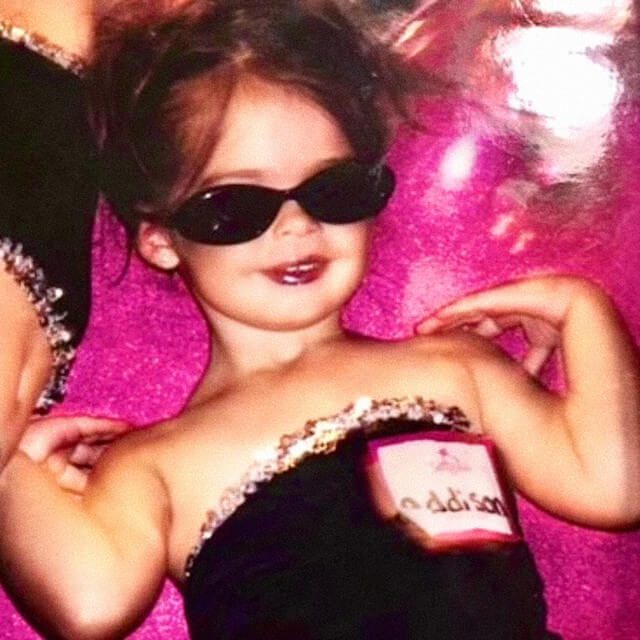
It took one single syllable to finally sell me on the effortful, referential pop girl ambitions of one-time social media star Addison Rae—who catapulted to the type of fame that affords someone a strange Kardashian friendship and a slot dancing in front of Jimmy Fallon awkwardly holding cue cards, but obviously found it lacking. Said syllable arrives during the second verse of “Fame is a Gun,” the fifth single from Rae’s debut album Addison, where she leans coyly into a Britneyesque whine that seems to encapsulate her contemporary climb to “legitimate” artistry, loaded like the titular weapon: “And when you shade me, it makes me want it more.” And it’s true, for women around our age—with a grade school cultural education comprised of the Hiltons, Blackout, tabloids in the grocery store aisles, every woman onscreen seemingly starving to death—that these grotesque visions of fame still fascinate, haunt, and harden us. Aided by Swedish producers Elvira Anderfjärd and Luka Kloser, Rae whips “Fame is a Gun” into a biting electropop confection worthy of those mid-period Britney albums, wielding a shameless desire for all the spoils that low-brow celebrity exploits can afford a girl who dreams beyond the confines of a suburban bedroom. Who am I if I’m not being watched, even in a world that hates me? is a concern that has simply shifted from the grocery store aisle to a screen in each of our palms, where the manosphere will cut you with a critical, all-seeing eye no matter what answer you produce. So, we might as well put on a show—and bring some heavy artillery, while we’re at it. —Elise Soutar
23. Wendy Eisenberg: “Will You Dare”
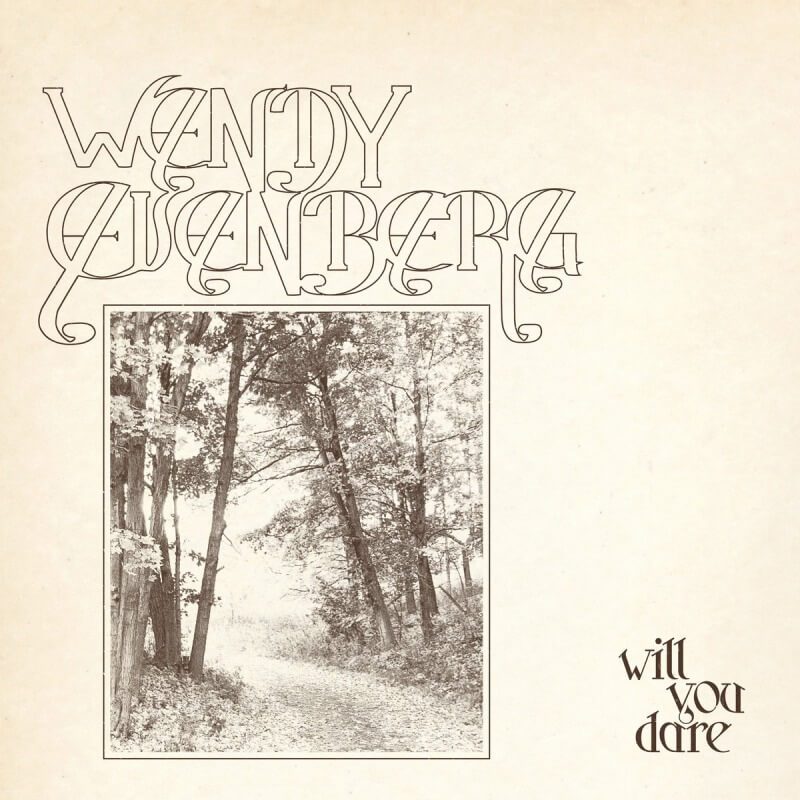
A year ago, Wendy Eisenberg made a record that I ached into. Viewfinder was beautiful at all of its angles, be it the flakes of piano decorated by strange and streaking jazz ideas in “Two Times Water,” or the inventive, guitar keepsakes filling “Lasik.” Eisenberg’s moves are so often improvisational, and their guitar playing knows not boundaries but sensations. In more eaze’s Mari Rubio, Eisenberg has found a sublime dance partner, and Rubio’s pedal steel tone on “Will You Dare” scores a vastness of a hair-silvering love and the time passing through it: “It shapes you, and scrapes you, and makes you ask, ‘Why did I try? Did I try?’” The twang in Eisenberg’s voice snakes up the fretboard behind their fingers; Ryan Sawyer’s drumming grins in the delicate obviousness, where one stick brushes along the snare and the other taps the ride cymbal. I think music like this, the type that pulls you into its tangles and keeps you there beautifully, is worth sticking around to hear. “Will You Dare” is a question mark shaped like a ghost. —Matt Mitchell
22. Saba & No ID ft. Love Mansuy, Ogi, & Smino: “a FEW songs”
From the Private Collection of Saba and No ID is a family album—a vault of a Midwestern great’s most trusted collaborators. The beats scoring its closer, “a FEW songs,” loop and bounce; stabs of a half-dozen different keys pierce through a soul-stirring vocal harmony from Ogi. Love Mansuy’s “shit is temporary” chorus bridges Saba’s verse into Smino’s, as they rap about their long search for a come-up in a changing ‘hood (“We been on our way—fashionably late, past tense”). “Back in the day, we was on blogs and searching for different perspectives,” Saba spits. “And Benjamins and Jacksons, ‘cause it was a recession.” Smino picks up the story down the road, talking about going “from North Side to Porsche rides to courtside to sold-out shows” and flashes a double entendre of “We bae” and Wee-Bay from The Wire. “a FEW songs” spans a decade or two and ends in affirmative revelation: “It’s okay to change it all, so beautiful,” Ogi hums on a piano fadeout. Saba and his counterpart No ID should make a thousand songs together. But if I can only have one for the rest of my life, I’ll pick “a FEW songs” every time. —Matt Mitchell
21. Wednesday: “Townies”
On “Townies,” an early highlight from Wednesday’s alt-country opus Bleeds, frontwoman Karly Hartzman has returned to her hometown to catch up with the locals and find out what she missed while she was away. There’s the now-dead ex who disseminated her nudes without her consent; there’s the girl who had harmful gossip spread about her sexual deviance; and there’s Hartzman herself, who realizes that, at the time, they were all just “sixteen and bored and drunk.” A decade removed from the rumor mill, Hartzman revisits high school experiences with a wizened eye, capable of locating her anger for complicit parties while holding space for forgiveness. It’s a mature and masterful missive from one of our greatest working songwriters. —Grant Sharples
20. Ethel Cain: “Fuck Me Eyes”
The intensely powerful “Fuck Me Eyes” makes a good case for being the catchiest song of Ethel Cain’s career thus far. It’s six minutes of colossal synths, crashing, doom-y percussion, and her anchoring, expansive voice. It’s impossible to get lost in a song like this, because you don’t want to miss a single syllable. Cain sings about the “girls who are perfect and have everything, yet carry the reputation of town slut,” and pays tribute to one of her favorite songs (and mine), “Bette Davis Eyes”—likely Kim Carnes’ version, not Jackie DeShannon’s (sorry to Jackie). Here are some lines that stuck out to me: “Three years undefeated as Miss Holiday Inn”; “I’ll never be that kind of angel, I’ll never be kind enough to me”; and “Her daddy keeps her in a box but it’s no good.” But I want to highlight the electronics on “Fuck Me Eyes,” specifically. No amount of cresting guitars or muscular drums can override the lush, dense tides of synth that decorate the song’s vulnerable exterior. Perhaps this comes as no surprise to you, but Ethel Cain is very, very good at this. —Matt Mitchell
19. Lily Seabird: “It was like you were coming to wake us back up”
There are songs you can physically feel the hurt in, and from the very first moment of Lily Seabird’s “It was like you were coming to wake us back up” (which, coincidentally, doubles as the first line), you can already tell that it is going to crack you open from the inside. Whisper-delicate, heart-rending and insistent all at once, “It was like…” traps you within a moment barely the length of a breath—that split-second pulse skip of seeing a long-gone loved one across the way before the yearning desperation fades away and reality takes its place, leaving behind only a stranger. Seabird is at her most Adrianne Lenker-esque here, that gorgeous, raw, nasally croon splitting at the ends with the enormity of her own emotion. “All the silvery stuff was floating around your beautiful head,” she murmurs, aching with it. “It was like we’d forgotten that you had been dead.” As the song goes on, it becomes increasingly evident that Seabird is putting everything on the line here, every ounce of her spilling into and bleeding out of the softness of her tone. There is restraint, but there’s something beyond it, too; it’s almost like Seabird is attempting to keep her voice taut on a leash while simultaneously buckling beneath the exertion of the act. “It was like you were here,” she sings over and over again, guitars churning below. It’s brutal, and it’s beautiful. —Casey Epstein-Gross
18. Chuquimamani-Condori: “Breathe Kullawada Caporal E DJ edit”
One of the best electronic songs of 2025 interpolates Faith Hill’s “Breathe.” Yes, you read that correctly. Chuquimamani-Condori, one half of Los Thuthanaka with their sibling Joshua Chuquimia Crampton, served us a mash-up for the ages when they combined Hill’s power-ballad hook with the folk textures of their DJ E track “Breathing.” It’s a noisy pop racket that sounds like four or five radio stations blasting at once, which is exactly why I love it so much. The song embodies the chaos and pleasure of layering, but “Breathe Kullawada Caporal E DJ edit” is more than just a remix. It’s a hit song pulled apart and taped back together inside out. —Matt Mitchell
17. Dirt Buyer: “Get to Choose”
“Get to Choose” is so awesome that, while its riff was burrowing into me for the first time, I started to think, “Wait, maybe I do like New York City???” Joe Sutkowski is a madman and so is his new single, the second from the forthcoming, well-titled third Dirt Buyer album, Dirt Buyer III. Actually, “Get to Choose” is so catchy that I heard Billboard is now retroactively inserting it into the Top 40 of the Alternative Airplay chart for the week of December 16, 1995. Sutkowski says the song is about “being really, really tiny and screaming, but you’re too small and nobody can hear you.” Now I know why Dirt Buyer made the guitar lick on “Get to Choose” a skyscraper. It’s one of the catchiest songs I’ve ever heard in my life. —Matt Mitchell
16. SML: “Chicago Four”
I was going to shout out Greg Uhlmann’s effected guitar playing on “Chicago Four,” but then I realized I needed to shout out Booker Stardrum’s sweeping drums, too. And then Anna Butterss’ throbbing bassline came into view, as did Josh Johnson’s sludgy horn shots. And then arrived Jeremiah Chiu’s synth passages that play a song of their own. What I’m getting at here is: SML brings new meaning to the idea of a “collective.” Everything they do is in lockstep with each other, even when it sounds like every member is doing something impossibly different. Chicago Four” reveals an almost hypnotic loop of contrasts. It’s as much an industrial synth-pop song as it is a jazz-funk lick. The music is all over the place yet never out of chemistry. I know improvisation is essential to SML, but there’s gotta be a word for whatever exists beyond that. It’s hard to categorize whatever the hell is happening on “Chicago Four” as anything but one of a kind, impossible to replicate. —Matt Mitchell
15. Dijon: “Yamaha”
Dijon does the dated stuff better than most, preserving the ‘80s and ‘90s in grains and textures rather than copying someone else’s image or attitude, and his album Baby is meteoric proof that his debut, Absolutely, was star-making and his sound will command R&B’s next destiny without leaving any of its ancestry behind. The vocals on “Yamaha,” which come in from every direction, boast a handsomeness not unlike prime D’Angelo and stack where guitars rambled in Dijon’s work three years ago. Here, his voice is not only his instrument but an ecstatic ride that plays well into the album’s collage-y, with cresting, contrasting synth programming, manipulated pitches, choral tangents, and Top 40 piano drama coagulating. For some, that might make for a frustrating listen. For me, it makes writing down whatever hyphenated genres have been swirling around Dijon’s output feel less corny. Alt-R&B, post-pop, anti-Americana, and nu-jungle are all ludicrous descriptors but apropos. “Yamaha” sounds out of time but of the moment. —Matt Mitchell
14. Gelli Haha: “Bounce House”
“Bounce House” marked the arrival of Gelli Haha, the Los Angeles-based dance-pop project of vintage synth obsessive Angel Abaya, who once made emotive indie rock under that name in the mountain north. As a first song, it’s an absolute stunner. With handclaps on the off-beats and technicolor synths bouncing about, Abaya twists her words into cheeky little rhymes, leaning into the kind of subliminal messaging you might’ve expected in the golden age of SpongeBob SquarePants. “I’ve been hoppin’ on the honest train / Don’t mean I love you less because I got off without you,” Abaya assures at the end of the first verse, coating any transgression with unvarnished playfulness. She sings later, “Pop the weasel, eat the patty cake / Rosy cheeks, runnin’ for the queen of the castle.” With every exclaim of “So holy,” she contorts the o and underemphasizes the l to make it sound like a naughtier word, laying eroticism and a juvenile cheerfulness next to each other with careful effort to stay above board. It’s not just clever, it’s incredibly hooky, and those colorful synths are impossible to forget. —Devon Chodzin
13. Greg Freeman: “Gallic Shrug”
As a gesture, a Gallic shrug implies indifference. But in Greg Freeman’s song of the same name, the Vermont alt-country crooner channels a reservoir of feeling. From the melancholy lyrics about “two people who have too many yesterdays” to the prominent, lachrymose slide guitar, “Gallic Shrug” scatters hints that its apathetic front is exactly that. As a tale of love gone awry, it’s a classic tale of a once-robust romance that, for one reason or another, just didn’t work out. Not that you can do much about it. All you really can do is raise your shoulders while a barely perceptible frown spreads across your face. But gaze a bit longer, and you’ll see that those frown lines are deeply etched, proof of a heartbreak that’s overstayed its welcome. Oh well. —Grant Sharples
12. SZA: “Scorsese Baby Daddy”
Right before Christmas 2024, SZA finally released Lana, the long-awaited deluxe-edition of her 2022 masterpiece SOS. Most of the new tracks, like “30 for 30,” “Drive,” and “Crybaby,” were fine entries into SZA’s catalog, and “Saturn,” which was released way back in February 2024, still sounded as good as ever. But a lot of Lana failed to make SOS better—except for “Scorsese Baby Daddy,” which I think could go toe to toe with SZA’s best. Co-written by Tyler Johnson, Tyler Page, Owen Stoutt, and Michael Uzowuru, “Scorsese Baby Daddy” finds SZA on the hunt for a partner straight out of a violent Martin Scorsese movie—à la Travis Bickle or Max Cady. It’s a guitar song merging ‘80s rock textures with silky pop singing, and it’s got some of my favorite SZA lyrics since Ctrl—like “I’d rather fuck about it, addicted to the drama” and “I would pretend to do my favorite man, he’d call me tasty / Furious lady, then I wonder if I could do, baby / One day, I’ll understand all that it takes to be a lady.” The way SZA sings the “I’ma crash out, baby, don’t slow me down” hook at the 1:07 mark has held court near the top of my favorite vocal moments of the year list for all of 2025. —Matt Mitchell
11. Tobacco City: “Autumn”
“Autumn” calls out to me like a lover hollering under a doorframe. Nostalgia is a potent drug, and Tobacco City is on a whole lot of it. Chris Coleslaw recalls so much: smoking schwag behind a grocery store, huffing gas from the can, running from the cops, drinking cream with a gal named Valerie. His bandmate, the songbird Lexi Goddard, hums the good word, saying she “never knew about leavin’, ‘cause I never knew about nothin’.” “Autumn” doesn’t try to gussy itself up into anything but a memory worth recalling. In a haze of squiggly guitars and a splashing snare drum, Tobacco City tells us about a couple of young and carefree nobodies who were somebody to them. And, thanks to Andy “Red” PK’s narrating pedal steel, you get to know their stories in four minutes flat. There’s so much beauty in the grin of “Autumn.” I ache to just remember it. —Matt Mitchell
10. Nourished by Time: “Max Potential”
When writing and producing as Nourished by Time, Marcus Brown operates on a cliff’s edge, white-knuckling—the world is passing away before us through every waking moment, and all we can cling to with empty hands is one another and the art we can create together. Accordingly, his second studio album The Passionate Ones interrogates how high any of us are able to jump to meet his stakes, beginning with the record’s first single “Max Potential.” The track crescendos and crashes over crystalline synths and pitched-up vocal samples, beseeching a love interest who can’t summon even a facsimile of Brown’s devotion (“There’s no reason for your call if I can’t call on you / You’re not passionate at all, and that’s all on you”). Yet, the song plays the scenario as a triumph anyway, as if to insinuate that the power of unrequited passion alone deserves something monumental, transcending nihilistic times. Above all, beyond subject matter, it’s rare you get to see this type of self-contained artist elevate so consistently as they go—following a critically beloved first album and EP with a song of this magnitude, never skipping a beat. For those of us who’ve been hoarding shares of our Nourished by Time stock over the past few years, a revelation like “Max Potential” is what makes him a voice worth dropping everything for. —Elise Soutar
[embedded content]
9. Armand Hammer ft. Kapwani: “Dogeared”
“Dogeared” cuts the engines and lets the questions hover. The Alchemist lays out a spare, uneasy loop—synths that smear into each other like distant sirens—leaving air for ELUCID to circle hunger, resentment, and self-discipline in a verse that keeps changing shape mid-sentence. Then billy woods turns a single question—“What’s the role of a poet in times like these?”—into a week-long haunt: bus rides, leaking pipes, bacon grease by the stove, a kid stomping puddles, a novel untouched on the nightstand. No grand revelation arrives, just presence sharpened by doubt and the honest sign-off: “I’m still grappling.” It’s disarmingly intimate for a duo famed for obliqueness, and the beat’s low pulse refuses to nudge the moment toward resolution. The result feels dog-eared in the best sense—creased by use, carried around, returned to—an everyday scene that grows more detailed, lived-in, and profound the longer you stare. —Casey Epstein-Gross
[embedded content]
8. Cameron Winter: “Drinking Age”
Cameron Winter is 23 years old, and that fact seems more relevant when listening to “Drinking Age,” the most harrowing track on Heavy Metal. “Today I met who I’m gonna be / from now on and he’s a piece of shit,” he laments over the faintness of his piano, with the same stinging actuality that Johnny Cash spoke from in “Hurt.” Winter accepts adulthood, tackling the underbelly of a coming of age tale. “Drinking Age” sounds like crying on your birthday and taking your line of the MTA routinely each day—a flatlining realization that this is life for the time being. At the end, Winter’s voice ruptures into unintelligible wailings and vibrating lip smacks, a beautifully cathartic way of dealing with the avalanche of awareness that is hitting him all at once. As his generation begins to enter the workforce and grapples with this reality, myself included, the song is both painfully relatable but comforting to know that someone is searching for the meaning behind it all. —Alli Dempsey
[embedded content]
7. ROSALÍA: “Reliquia”

Following ROSALÍA’s 2022 album MOTOMAMI, LUX resembles a marked shift away from the danceable pop of songs like “Bizchochito” and “Chicken Teriyaki.” Instead, the Spanish vocalist takes a more measured approach for its follow-up, crafting sweeping statements swarming with religious iconography. Toward the beginning of the record sits “Reliquia,” whose opening cascade of vibrant strings, courtesy of the London Symphony Orchestra, provides an opening for ROSALÍA to wax poetic on the trappings of fame and its ensuing deification. But she presents herself as a willing participant in the process, as a relic that belongs to everyone. When everything shatters in the finale, sliced clips of her voice ping-ponging throughout the stereo field, it sounds like a holy revelation. —Grant Sharples
[embedded content]
6. Destroyer: “Cataract Time”
Ah, Destroyer, you’ve done it again. My onset existential crisis from “Bologna” had finally faded, and as I continue to lick my wounds from “Hydroplaning Off the Edge of the World,” you go and drop “Cataract Time.” Seriously, how am I expected to walk away unscathed when the song’s opening lines are “You’re sick of winning games / Been out on the road too long / Carve yourself out of illusion / You take the long way round / A setting sun”? Dan Bejar sings like he’s reading his subconscious verbatim back at me (or maybe I’m just projecting). A masterclass in crafting half-devastating, half-beautiful indie impressionism, “Cataract Time” is an astonishing, 8-minute opus that finds Bejar as a full-on poetic-wanderer—meandering along an airy, meditative drum beat that collects bits of sax, harp, synth and electric guitar along its way, creating a musical inner-monologue that floats weightlessly through time, battles the untethered illusion of control and hides in that devastated No Man’s Land between clarity and confusion. —Gavyn Green
[embedded content]
5. OHYUNG: “no good”
“no good” is not just a detour from OHYUNG’s recent CV of film scores (notably Julio Torres’ Problemista and Neo Sora’s Happyend), but a total 180 from their two-hour, ambient 2023 masterclass imagine naked!. But don’t let that stop you from cherishing the awe-striking decadence of a track like “no good.” It’s an experimental, rave-influenced pop reinvention that, rather than fully climaxing, sits in its own well-paced, blown-out rapture of color. You Are Always On My Mind is OHYUNG’s “trans self and [their] former self in conversation, from both perspectives,” and the way “no good” oscillate between ecstatic, bantam gestures of synthesizer collages and these loping, symphonic torrents sounds like an exchange. I quote the poem OHYUNG cites in the description of the song’s music video: “[ / I trust these stars I do ] / there before I was there.” An avant collision of phasings and light shifts, “no good” sounds as if it’s always been alive in me. —Matt Mitchell
[embedded content]
4. CMAT: “EURO-COUNTRY”
When translated from Irish, the opening line of “EURO-COUNTRY” reads: “What am I to do if I’m not meeting you?” CMAT looks at the devastations of her home country’s late-aughts financial crisis through the lens of her teenage self, and the question seems like a puzzle she has spent a lifetime decoding. “EURO-COUNTRY” is CMAT’s open letter to Ireland, as she pleads for the culture she identifies with so deeply to preserve itself. Over a faint guitar and sharp drum pats, she name-drops Irish mythology and national ephemera, blocking out a pressure to succumb to “pop star USA.” You can feel the strain in her fluttering voice as the song begins to climax, drawing harsh imagery from Celtic Tiger-era Ireland, merging the personal and political into one: “I was 12 when the das started killing themselves. And it was normal, building houses that stay empty even now.” —Alli Dempsey
[embedded content]
3. JADE: “Plastic Box”
The vibe of JADE’s debut album bursts open on “Plastic Box,” a song confirming her pop diva status. It’s an emotional upheaval charged with cunty beats, written by JADE at the beginning of her current relationship with singer Jordan Stephens once she discovered love letters he’d written for an ex-girlfriend. “Plastic Box” fits right into That’s Showbiz Baby!’s splashy maximalism but reveals a vulnerable and headstrong performer beneath the shiny costume and contagious dance moves. Perhaps an antidote to the great divide, “pop star” means the same thing in every language. In my brief lifetime, I’ve been lucky enough to see dozens of them mean the world to someone around me. You can’t really describe what that’s like. You just have to be there and remember it. I can’t believe “Plastic Box” exists and that I get to remember it. Its place on an album as provocative, contrasting, and tastefully egotistical as Showbiz is a reminder that JADE excitingly embraces playful, purposeful strains of dance music. As she told me in the summer, “every single song is something I’ve wanted to say.” On “Plastic Box,” her pop brilliance and loving obsessions needfully vibrate from every rooftop. —Matt Mitchell
[embedded content]
2. Ryan Davis & The Roadhouse Band: “New Threats From the Soul”
My first thought upon listening to “New Threats From the Soul”: There’s signs of Silver Jews all over this. My second thought upon listening to “New Threats From the Soul”: What the fuck? Lovingly, the title track from Ryan Davis & the Roadhouse Band’s second album is a deranged piece of music. Forget about how great this song sounds for a moment. Can we talk about Davis’ writing? You’d be foolish to do anything but hold every sentence in the light of your closeness. There’s an education to be had here, as the Louisville-bred lyrical marksman takes the loudmouth tempo of Jerry Jeff Walker, the literary devastation of David Berman, and the oddball charm of a John Prine verse and blends them all into a potent, drunken recital of strangeness. The devil is in the details too, of course—in languages unexpectedly woven into each other. “I was a cactus flower, I had Heisman buzz,” Davis sings. “Now it’s a pissing competition between the man I am and the guy I was.” Sweet nothings taste bitter, hell or high water is rising, and mismeasurements are six in one, half-dozen in the other. With Freakwater’s Catherine Irwin singing harmony, “New Threats From the Soul” is chicken soup for the rambling, anointed soul. The “I thought that I could make a better life with bubblegum and driftwood” refrain and those licks of saxophone and flute all point me in the only direction I wanna go. —Matt Mitchell
[embedded content]
1. Los Thuthanaka: “Awila”
I don’t know that there’s been a more important release in 2025 than Los Thuthanka—an album dedicated to Chuqi Chinchay, an Aymara “staff god” deity painted “all the colors” and considered to be a guardian to queer people. The Crampton siblings, Elysia and Joshua Chuquimia, revel in DJ tags, vocal samples, bit-crushed synths, experimental renditions of Bolivian music, dance-punk, and plunderphonics on a project where five of its eight tracks span eight minutes or more, all of which fester in the expanse of staggering digital collages. Like a wrestling arc, the Cramptons traffic in long-form storytelling in their Los Thuthanaka songs. “Awila” builds and confounds and builds and confounds; chaotic, gut-spilling percussion and riffs try to detonate through the swelling. We get 12 delirious minutes of a kullawada dance, and every second is spent reaching towards euphoria. When Joshua’s guitar awakens nearly nine minutes in, “Awila” becomes this impossibly overwhelming wash of intensity. By then there’s no turning back. Los Thuthanaka is a challenging album, and “Awila” is a challenging song. To some, all of it sounds like noise thrown on top of noise, nothing more. But there’s magnificence in the Cramptons’ wall-to-wall elementalism, in how a song as crushing and packed as “Awila” traffics in the possible—toeing what fine line exists between explosion and surrender. Yet the song nearly, almost needfully carries on forever. This is what I want music in 2025 to be remembered as: a nauseating, downright suffocating celebration. —Matt Mitchell