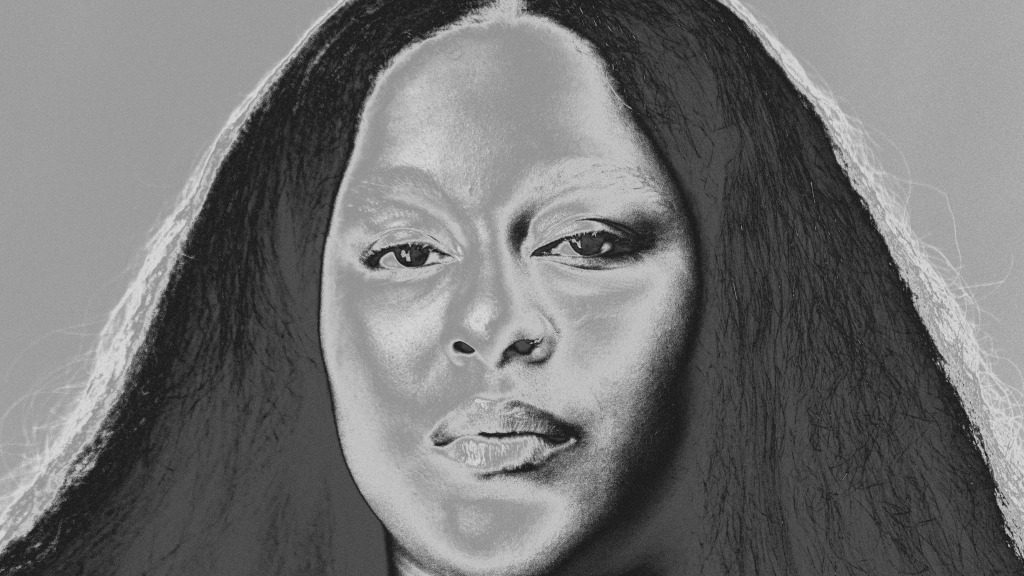
On a balmy August afternoon in Williamsburg, the atmosphere at the Wythe Hotel was charged with a unique, kinetic energy. Brooklyn-based artist Taja Cheek, the creative force behind the project L’Rain, sat amidst the controlled chaos of a listening party for her fourth studio album, fata morgana. The event was far from a standard industry gathering; it was a 360-degree sensory immersion, featuring everything from a zine-making station to a custom scent developed with Joya Studio, all designed to mirror the complex, shifting textures of her music.
The Art of Sensory World-Building
Cheek’s approach to fata morgana was rooted in the concept of memory and the physical manifestation of sound. By incorporating elements like a block of ice containing a vinyl copy of the record and the scent of the Rose of Jericho—a plant known for its resilience despite being naturally odorless—Cheek sought to create a space where disparate images and feelings could coexist. “I thought I could put together a bunch of different elements that would conjure this feeling of listening to the record, and scent is so tied to memory,” she explained.
This dedication to atmosphere extends to the album’s production. Working alongside co-producers Ben Chapoteau-Katz and Andrew Lappin, Cheek utilized unconventional tools, including children’s toys, to craft a soundscape that defies traditional categorization. “It goes through the ‘Taja Filter,’ as my friends like to call it,” she noted, describing how technical precision is often balanced by the raw, playful experimentation of sampling everyday objects.
Processing the Human Experience
At its core, the music of L’Rain serves as a vessel for processing the complexities of the human experience. Whether navigating the grief of losing a parent or the frustration of being pigeonholed as a “singular artist,” Cheek uses her work as a form of exposure therapy. “Everything in the L’Rain project is a way of processing things that are difficult for me to process,” she shared. This vulnerability is evident in tracks like “soulless cycle,” which captures the feeling of being powerless, and the euphoric, yet jagged, emotional landscape of “elmyra.”
The album’s title, fata morgana—a complex mirage—perfectly encapsulates the project’s ethos: a constant state of flux where reality and perception blur. For listeners, the experience of the music is akin to being in transit, a feeling Cheek intentionally cultivates. “I feel like in transit and in motion is where the record makes most sense,” she said. “I do my best listening on a walk or on the train or on a tour.”
A Legacy of Innovation
As the listening caravan moved through the streets of Brooklyn, the music acted as a soundtrack to the city’s own contradictions. By blending sounds from her teenage years with contemporary compositions, Cheek has created a body of work that feels both timeless and urgent. Her refusal to adhere to the constraints of “experimental” music labels has allowed her to build a world that is uniquely her own—one that invites the listener to find their own meaning within the noise.
Ultimately, fata morgana is a testament to the power of artistic persistence. As Cheek continues to evolve, her work remains a vital, breathing entity, constantly reshaping itself to reflect the world around her. As she aptly put it, the project is about “capturing feeling and having fun and experimenting,” ensuring that even in the face of life’s most daunting challenges, there is always room for transformation.
fata morgana is out now on Mexican Summer.